Picture a rig that’s fully equipped, a site that’s ready to go, and a schedule that looks fine on paper. Then one person doesn’t show up. Or a technician’s clearance hasn’t come through. Or a spare part is stuck somewhere between the warehouse and the wellhead.
Everything stops. Maybe for a few hours, maybe for days.
Anyone who has worked in oil and gas has lived this. It’s not a freak event, just what happens when a lot of moving parts have to line up in tough conditions. We love talking about big projects, heavy machinery and new technology. We talk a lot less about the people who make all of it actually run.
Spend a day at an oilfield and you’ll notice how many different hands are involved.
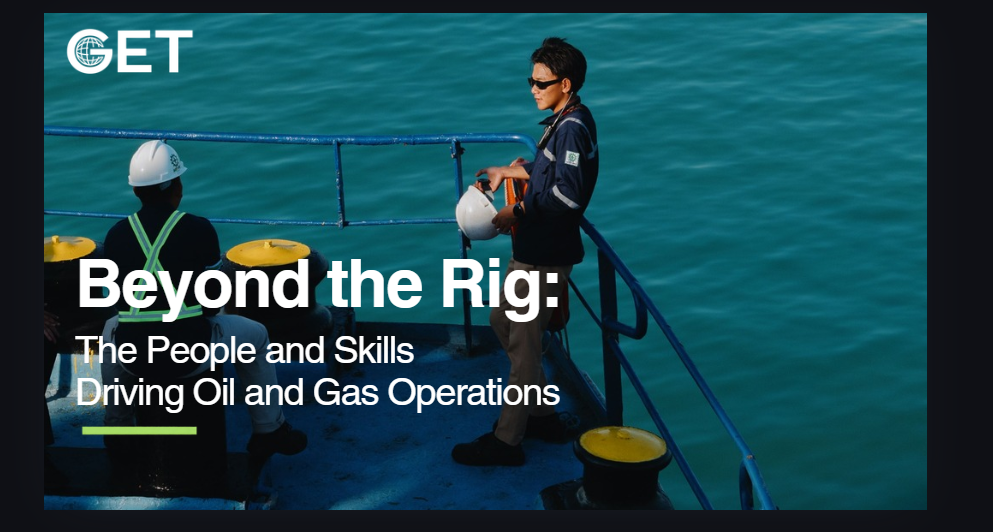
Drilling crews work long shifts in harsh conditions. Well services specialists step in where precision and experience matter most. Maintenance technicians spend their days checking, fixing and catching small faults before they turn into expensive breakdowns.
HSE professionals do far more than hand out checklists and remind people about PPE. They have to understand how the work really gets done, spot risks that aren’t obvious, and keep procedures from slipping when the pressure is on.
Then there’s everything that happens away from the site. Procurement and supply chain teams chase down equipment, materials and services, mostly unseen. You only notice them when something arrives late, and then half the site feels it.
That’s the thing about these roles: they’re tangled together. A maintenance problem slows drilling. A late delivery holds up maintenance. A staffing gap throws off the whole schedule. Good operations need skilled people, but they also need people who understand how their work lands on everyone else.
Qualifications matter, especially where mistakes can be serious. But they’re only part of the picture.
Field experience teaches what no manual can. A seasoned technician hears an odd sound from a pump before any alarm goes off. A drilling hand senses something is slightly off. An HSE officer watches how a task is being done and knows there’s a problem before anyone has said a word. Small observations like these often prevent big problems.
Communication counts just as much. On a busy site, the right information has to reach the right person at the right moment. Assuming “they probably already know” is how avoidable trouble starts.
So does staying calm. Equipment fails, the weather turns, plans change at the last minute. The people worth having around are the ones who can size things up, say what they see clearly and make a sensible call.
And they keep learning. Tools and systems keep changing. Someone with twenty years of hands-on knowledge is incredibly valuable, but only if they stay open to doing some things differently.
Hiring is just the first step. The harder part is making sure the person you’ve picked is genuinely ready to start.
Take a technician with solid experience but an expired certificate. Or a worker with general safety training who never did the induction a specific site requires. During recruitment these look like minor gaps. At the gate, they become delays.
Before anyone is deployed, a few things need checking:
Sorting this out early saves everyone time. It also helps the worker, who arrives knowing the job, the safety expectations and what’s expected of them, instead of figuring it out on the fly. Readiness isn’t about ticking boxes. It’s about letting people start with confidence.
The industry today isn’t the one we had ten years ago. Monitoring systems track equipment performance, data helps predict when something needs servicing, and automation is changing how some tasks get done.
None of this makes hands-on experience less important. If anything, it makes the mix of experience and new skills worth more. A technician who knows the mechanics and can also read a digital monitoring dashboard offers something different. An HSE professional comfortable with digital reporting handles information faster and with fewer errors.
So training can’t end after the first qualification or induction. People need room to learn and practise. Veterans should be encouraged to pass on what they know, because some of the best lessons in this business come from those who’ve spent years in the field. Companies that treat learning as part of daily work tend to build teams that adapt well when project needs change.
Having skilled people is one challenge. Having them in the right place at the right time is another.
Oil and gas projects often span several locations, with different job requirements and tight mobilisation windows. One assignment might need drilling personnel, the next specialised maintenance technicians, and another supply chain support. Without good planning, even a strong workforce gets hard to manage.
That’s where workforce management, technical manpower and procurement support meet. At GET Global Group, we see our job as more than supplying headcount. Projects need people who fit specific requirements, plus the coordination to keep things moving. Our work across workforce solutions and Procurement and Supply Chain Management (PSCM) is built around that idea: helping businesses get the people and resources their operations depend on.
Filling a position and meeting a project’s needs are not the same thing. The second takes a real understanding of the work, the people and the conditions they’ll be working in.
Next time you see a rig, try looking past the machinery.
Think of the technician who checked the equipment before the shift started. The HSE professional who flagged a hazard nobody else had noticed. The crew member pushing through rough conditions. The supply chain specialist who got the right materials to site on time.
You may never see their contribution, but operations lean on it every single day.
Technology will keep moving and equipment will keep getting smarter. Even so, projects will still rely on people who know their jobs, own their responsibilities and work well with others.
The rig gets the attention. The crew keeps it running.
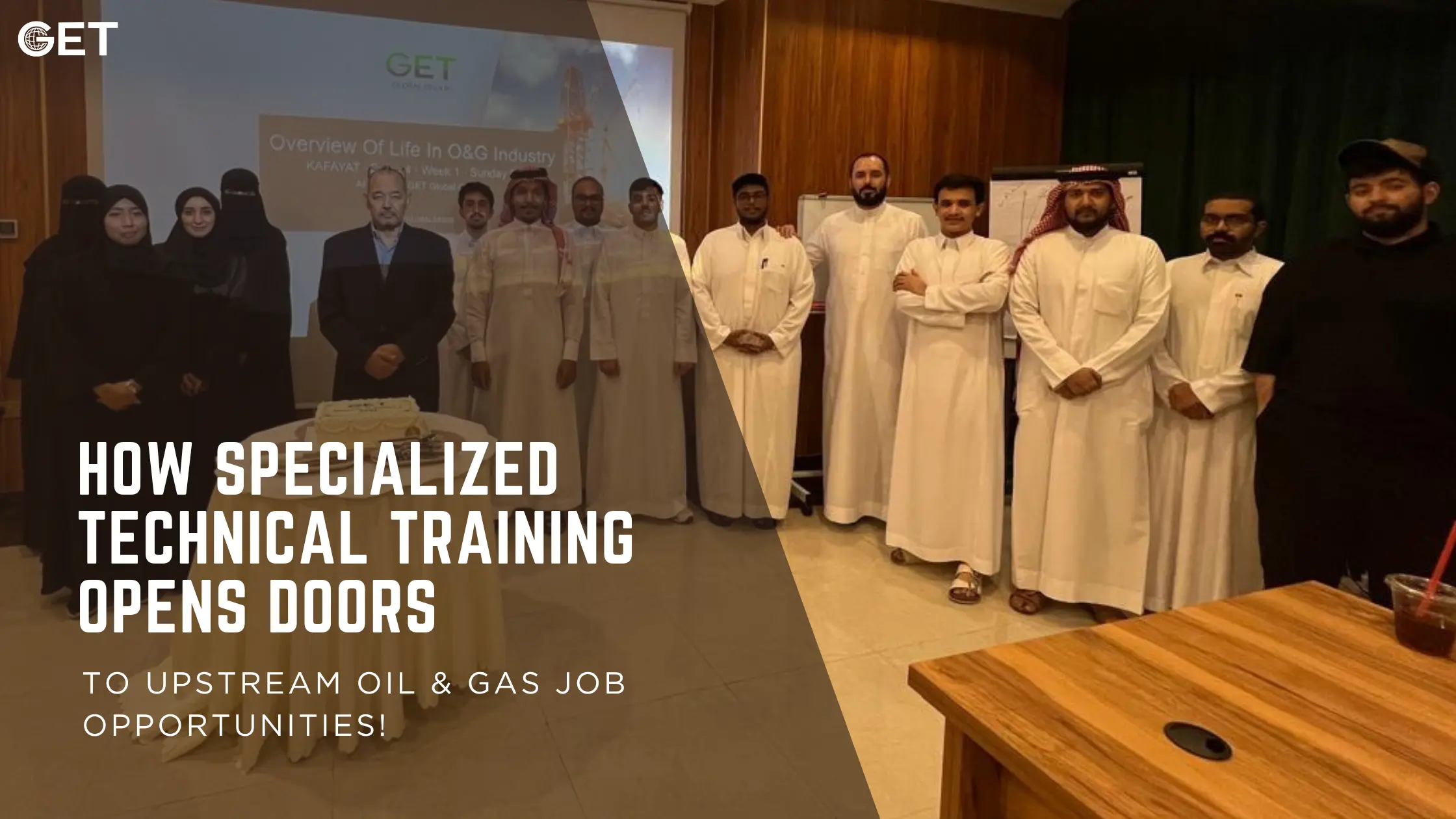
Read Also- How Specialized Technical Training Opens Doors to Upstream Oil & Gas Job Opportunities
Behind every operation, there are people making it happen.
Frequently Asked Questions (FAQs):
Workforce management ensures that projects have the right professionals with the required qualifications, experience and training. It helps minimise operational delays, improve productivity and maintain workplace safety.
Technical expertise, safety awareness, problem-solving, teamwork, communication and adaptability are among the most important skills required across oil and gas operations.
HSE training helps workers understand site-specific hazards, safety procedures, emergency response protocols and their individual responsibilities before starting work.
Workforce mobilisation is the process of identifying, verifying, preparing and deploying qualified personnel to meet specific project requirements. It includes certification checks, training, documentation and site readiness.
Technology is introducing digital monitoring, automation, predictive maintenance and data-driven decision-making. As a result, professionals increasingly need both practical experience and digital skills.
The right workforce helps reduce downtime, improve coordination, maintain safety standards and ensure that project activities are completed efficiently and according to operational requirements.
By Get global | October 29, 2026

By Get global | October 27, 2026

By Get global | October 26, 2026
Oil and Gas industry have always been in an environment that is capital intensive and where operational efficiency, safety, and cost management take precedence. But there have been instances where supply chain management within energy sector had issues like poor communication, disjointed tracking, lengthy vendor onboarding process, and reactive procurement […]
By Get global | October 19, 2026
By Get global | October 16, 2026