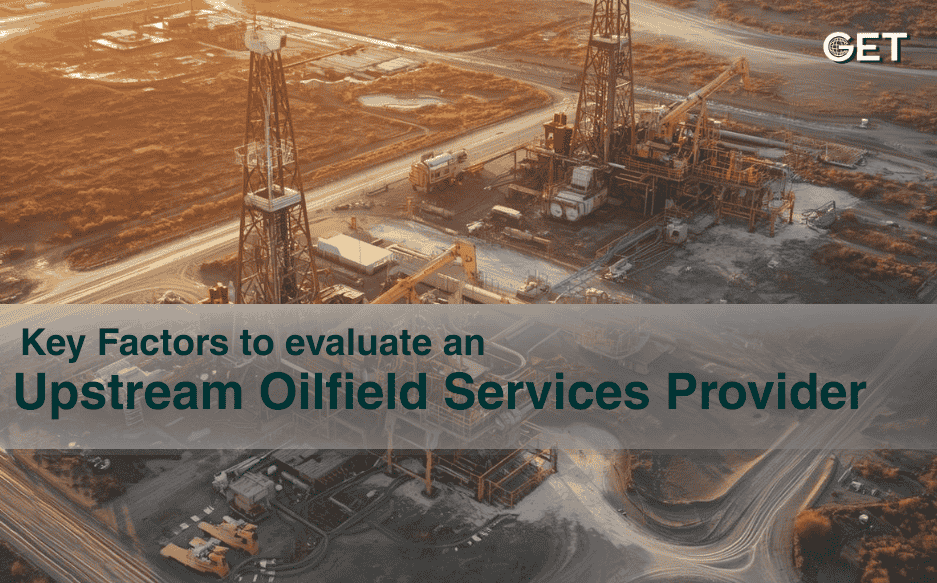
In today’s constantly evolving energy landscape, selecting the right Upstream Oilfield Services Provider is not only essential but also a strategic decision that directly influences the performance, safety and well being of the workforce. The upstream oil and gas sector operates in one of the most hazardous and risk – intensive environments in the energy industry.
Particularly in the key demographic energy markets such as the Middle East, operators are seeking partners that are reliable, trustworthy and technically advanced. As a result, and a precaution, selecting the right upstream service provider is not just a procurement decision – it is a calculated partnership.
There are 8 major factors that help evaluate an upstream oil and gas company. These are as follows:
Technical capabilities remain to be of the importance in oil and gas industry. Hence, operators must not only assess the range of services offered such as drilling, casting, cementing, lifting, construction, stimulation and production optimization – but also the technical depth and expertise behind those services. In regions such as the Middle East, where both onshore and offshore oilfield services provide a unique challenge – technical depth and knowledge is a big asset. Service providers must understand the reservoir complexities, PHPHT environments, mature field redevelopment and enhanced oil recovery techniques.
A company offering turnkey upstream oilfield services adds additional value to the already existing pool by managing multiple phases of the project under a single integrated framework. This reduces the interface risk and improves the operational coordination.
Safety and environmental conditions remain a cornerstone for the oilfield service companies. HSE standards remain to be fundamental pillar of upstream operations. Providers should keep certain parameters in mind while evaluating an oilfield service company. In the UAE, especially in the energy sector, regulatory compliance is strictly enforced, and the service providers must comply to both local and international regulations.
Henceforth, service providers that demonstrate safety protocols, environmental responsibility and risk assessment protocols dominate the industry. Key indicators include international certifications, compliance with industry standards, incident frequency rates and the quality management systems.
A track record of experience in handling similar projects is a great indicator of what the company brings to the table. Such experiences are often documented through case studies, client references, and repeated clients. Operators should assess a providers track record through completed projects and repeated contracts.
Experience also tends to extend beyond the technical aspects. Experience also lies in managing challenges such as supply chain distribution, regulatory changes and unforeseen events. How an oilfield service provider can achieve its high performance through all the hurdles speaks volumes about a company.
Having a strong local support team is a huge asset as it allows quick response time and provides inputs and knowledge of all the local regulations and compliances. A strong local presence enables faster response time, and this is critical for a smooth-running business. Having a good customer support also helps with immediate technical intervention, which is often necessary at such high-stake jobs. Having a strong local presence helps with familiarity and understanding about all the regional regulations. It also establishes relationships with local authorities which is often beneficial to help reducing logistical delays.
In high-activity upstream oil and gas regions, even minor delays can impact drilling schedules and reduce daily barrel output. A locally embedded upstream oilfield services provider reduces downtime risks and improves operational agility.
Modern upstream oil and gas operations are increasingly data-driven, with digital transformation reshaping how wells are drilled, monitored, and optimized. Having an effective digital integration means that you improve the accuracy of barrel measurement, ensuring precise production reporting and revenue calculations. This helps strengthen the production forecasting by providing real-time insights into well decline rates and reservoir pressure behaviour.
Most importantly, digital systems support faster and more informed operational decision-making, enabling field teams and executives to respond proactively to changing conditions.
Read Also- Guide to Choose an Upstream Oilfield Services Company in 2026
In the upstream oilfield industry, the projects are always investment -heavy and are high in capital. They are technically complex. From starting of the projects to full-proof developed plans, it requires partners that can demonstrate not only technical competence but also financial confidence. The financial stability of an upstream oilfield services provider such as GET Global Group, is therefore a critical evaluation criterion.
A strong competitor ensures sustainable project execution by maintaining a healthy cash flow, operational liquidity, and access to capital. This type of financial stability allows the oil and gas company s to procure high-quality equipment, maintain inventory readiness in case of emergencies, and deploy skilled personnel without setbacks.
Ultimately, upstream oil and gas providers are evaluated based on their ability to enhance operational efficiency while optimizing cost. This includes reducing the overall costs and minimizing non-productive time and maximizing performance up-time. Time is money in this field of work. Operational efficiency also entails optimizing work and enhancing the recovery rates. It is also crucial to maintain high equipment up-time.
Operational efficiency determines the revenue and profits the company makes, especially during the periods of where the oil prices are fluctuating. Hence the providers that are consistently delivering measurable improvements in performance metrics become long-term alliances and partners. As the competition is substantially high.
The oil and gas environment requires technically skilled and highly competitive as the stakes are very high. From construction supervisors to technical engineers and specialized crews; human expertise remains essential to safe and efficient operations. The advancement of technology makes the work much easier, but the upstream performance ultimately depends on the competence of the workforce that can do high-stake tasks under high-pressure conditions.
Hence, there is a need for operators to evaluate based on technical qualifications, providing regular certification courses and continuous training programs. There must be leadership development initiatives held often for the crew. Well-trained teams reduce operational errors, enhance safety performance, and contribute directly to improved barrel efficiency and production reliability. Human capital and talent remain to be one of the strongest differentiators in upstream oil and gas services industry.
Conclusion: Key Takeaways
Read Also- What Services Do Upstream Oilfield Service Companies Offer?

By Get global | April 2, 2026
Introduction There is no question that AI is revolutionizing the upstream oil and gas industry. From exploration and drilling to production monitoring, artificial intelligence is changing how energy companies operate at every level. The results are faster decisions, lower costs, and safer work environments. For any business still relying on […]
By Get global | March 25, 2026
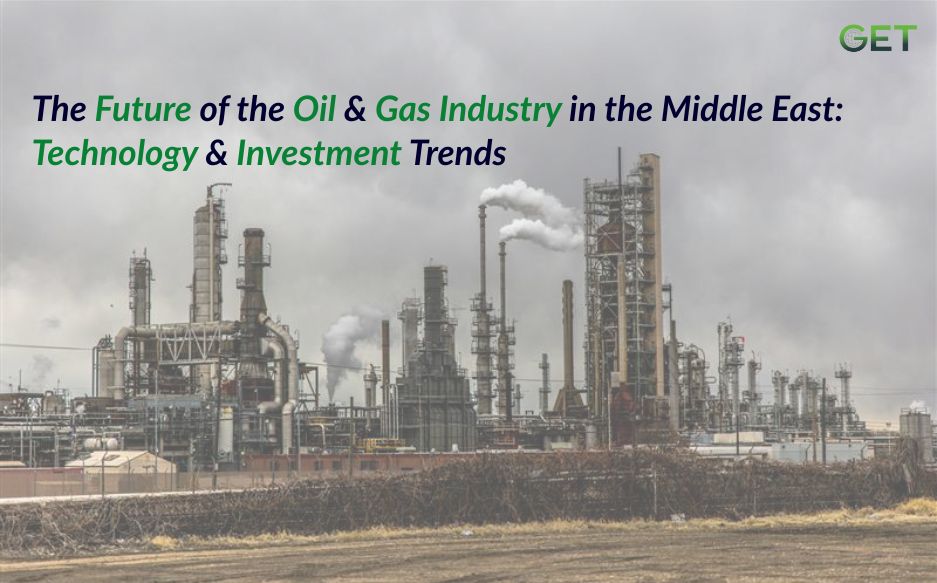
The Middle East has forever been the heart and soul of the oil and gas industry. In this day and age, the technology is advanced and ever-changing; the Middle East is also evolving. Not just by production but also innovation, diversification and investment in the workforce. As the global landscape […]
By Get global | March 25, 2026
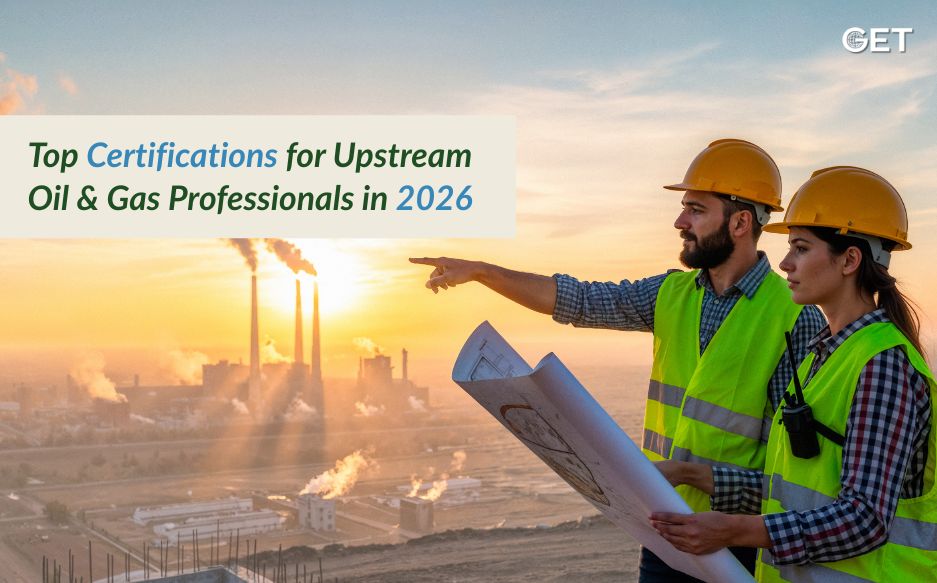
Upstream oil and gas has never been casual work. You deal with formation pressure that does not forgive miscalculations. You operate equipment that weighs hundreds of tons. You manage projects where a few hours of downtime can cost more than a year of someone’s salary. In 2026, what’s changing is […]
By Get global | March 18, 2026
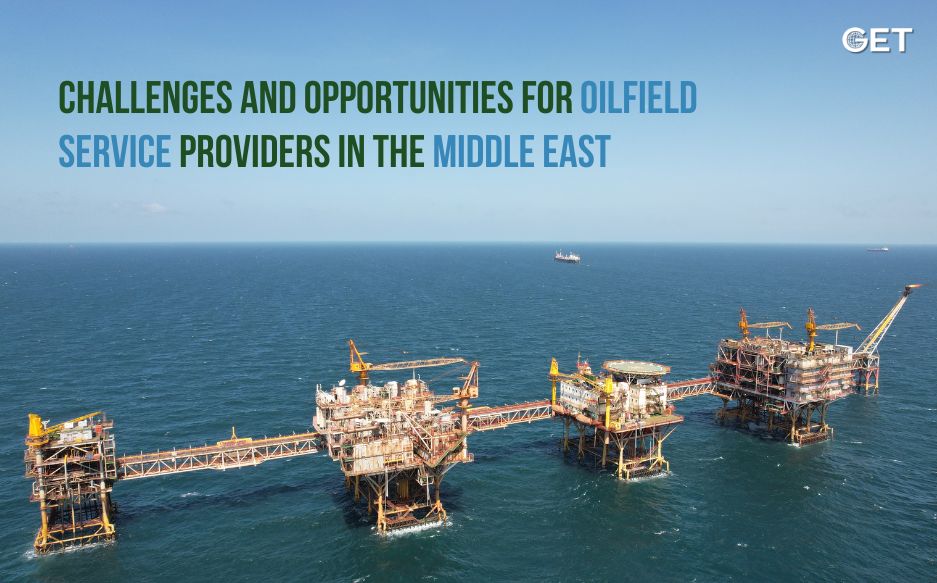
The Middle East has always been the heartbeat of the global energy industry. It holds some of the world’s largest oil and gas reserves. And for decades, it has attracted investment from every corner of the globe. But the landscape is changing. Fast. Today, oilfield service providers operating in this […]
By Get global | March 16, 2026