The world runs on energy. And for decades, the oil and gas industry has been at the center of it all. But things are changing. Climate goals are getting stricter. Investors are asking harder questions. Communities want cleaner air and water. The pressure is real — and it is growing every year.
Here is the honest truth: oil and gas are not going away overnight. The world still depends on them for heating, transportation, manufacturing, and more. But that does not mean the industry cannot change. In fact, many companies already are.
This blog explores practical strategies that the oil and gas industry can use to build a more sustainable future — without shutting everything down overnight.
Let’s start with the basics. Why does sustainability matter so much in the oil and gas industry right now?
First, there is the environmental reality. Burning fossil fuels releases carbon dioxide and other greenhouse gases. These gases trap heat in the atmosphere. That leads to rising temperatures, more extreme weather, and disrupted ecosystems.
Second, there is the financial side. Sustainable companies tend to attract more investment today. ESG (Environmental, Social, and Governance) criteria are now part of how major investors evaluate businesses. A company that ignores sustainability risks losing capital.
Third, there is public trust. People want to know that the companies powering their lives are doing so responsibly. The oil and gas sector has faced criticism for years. Building genuine sustainability practices can help rebuild that trust.
In short: sustainability is not just an ethical choice anymore. It is a business necessity.
Methane is one of the most powerful greenhouse gases. It is far more potent than carbon dioxide over a short period. And the oil and gas industry is one of the biggest sources of methane emissions worldwide.
The good news? Many methane leaks are preventable. Companies can use modern sensors and monitoring technology to detect leaks early. They can fix faulty equipment faster. They can also reduce the practice of gas flaring — that is, burning off excess gas instead of capturing it.
Reducing methane is one of the fastest ways the oil and gas industry can lower its climate impact. It does not require a massive overhaul. It just requires better monitoring and a commitment to fixing problems when they arise.
Some leading companies have already committed to near-zero methane emissions by 2030. That is a bold target. But it shows what is possible.
Carbon Capture and Storage — often called CCS — is a technology that captures CO2 before it reaches the atmosphere. The captured carbon is then stored underground in geological formations.
This technology is not new. But it has improved significantly in recent years. And for the oil and gas industry, it represents a real opportunity. CCS allows companies to continue operating while dramatically cutting their carbon output.
There are challenges, of course. CCS is expensive to set up. It requires significant infrastructure. And storing carbon underground requires careful long-term monitoring.
But governments around the world are now offering incentives to support CCS projects. In the United States, tax credits under the Inflation Reduction Act have made CCS far more financially attractive. Similar programs exist in Europe, Canada, and parts of Asia.
For oil and gas companies looking to stay relevant in a carbon-constrained world, investing in CCS is a smart and forward-thinking move.
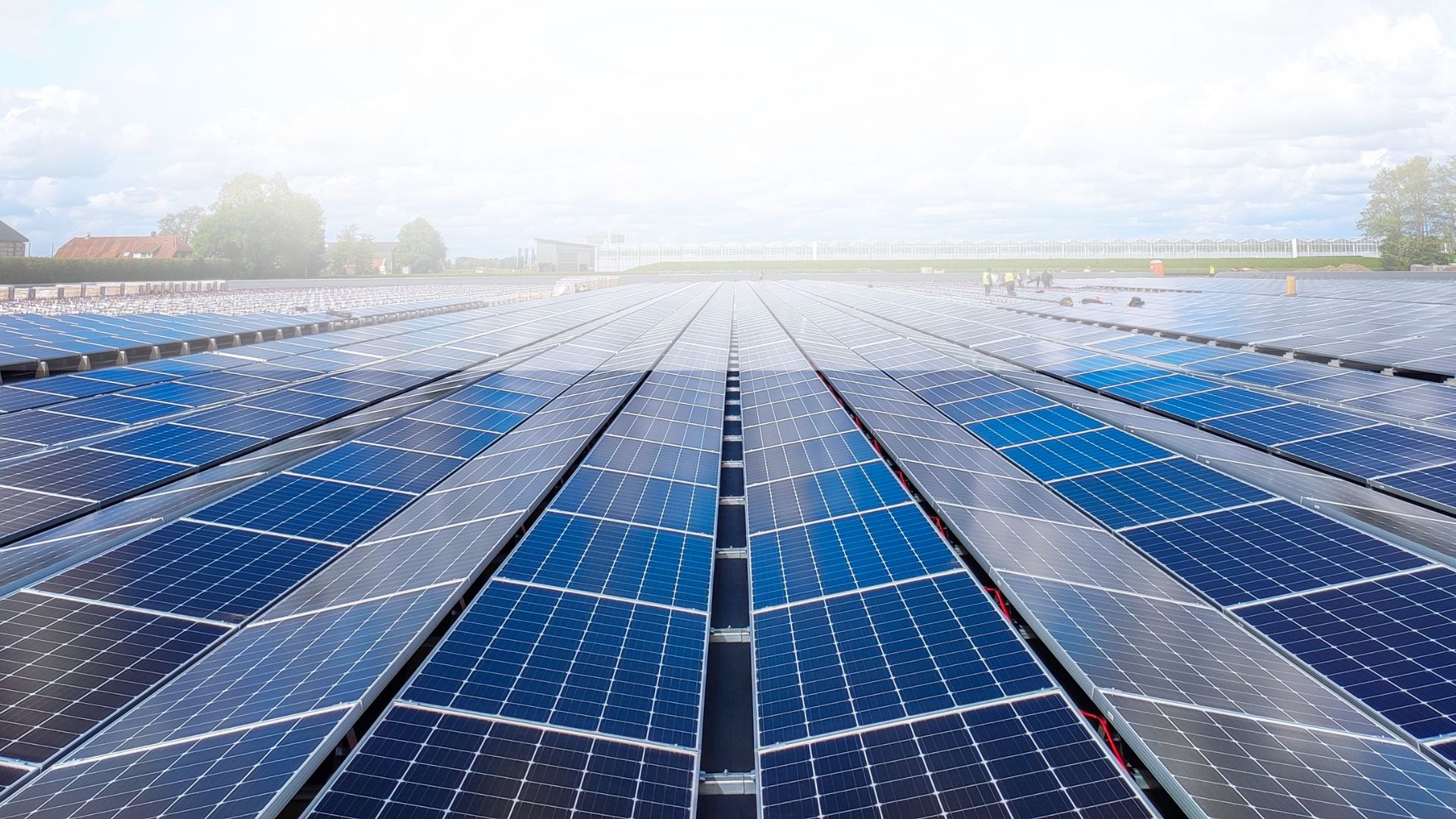
Here is a shift that is already happening. Many major oil and gas companies are actively investing in renewable energy. Solar farms. Wind projects. Hydrogen production. Battery storage.
This is not about abandoning what they know. It is about expanding into what the future demands. Companies like BP, Shell, and TotalEnergies have all set ambitious targets to grow their renewable energy portfolios over the next decade.
Natural gas also plays a transitional role here. It burns cleaner than coal or oil. When used thoughtfully, it can act as a bridge fuel — helping the world reduce emissions while renewables scale up to meet full demand.
The oil and gas sector has a unique advantage in this transition. These companies already have massive infrastructure, engineering talent, and project management experience. Those skills translate well to building large-scale renewable energy projects.
The question is not whether the oil and gas industry can pivot. The question is how fast they are willing to go.
One of the simplest ways to reduce the environmental impact of oil and gas is to use energy more efficiently. This sounds obvious. But in practice, many operations waste a significant amount of energy through outdated equipment, inefficient processes, and poor monitoring.
Upgrading to more efficient machinery can dramatically cut fuel use. Improving insulation in processing facilities reduces heat loss. Using digital monitoring tools helps operators identify inefficiencies in real time.
Digital technology is playing a huge role here. AI-powered systems can now optimize drilling operations, predict equipment failures before they happen, and reduce the energy needed to extract each barrel of oil or cubic foot of gas.
Energy efficiency improvements in the oil and gas industry are not glamorous. But they often deliver some of the fastest and most cost-effective emissions reductions available.
Also Read: Top 10 Oil and gas Contracting Companies in Abu Dhabi
Technology and investment matter. But culture matters just as much. A company that truly wants to be sustainable needs employees at every level to care about environmental responsibility.
That means training workers to understand their environmental impact. It means rewarding behaviors that reduce waste and emissions. It means leadership setting a clear example from the top.
It also means being transparent. Companies that publish honest sustainability reports — including their failures, not just their successes — build more trust than those that only share good news.
Building a green culture in oil and gas takes time. But it is one of the most durable strategies a company can pursue. Culture outlasts any single technology or policy.
Sustainability in the oil and gas industry is not only about what happens in the field or the refinery. It is also about relationships.
Communities near oil and gas operations have legitimate concerns. They worry about air and water quality. They want to know their land is being respected. They want jobs and economic opportunity — not just extraction and departure.
Companies that engage meaningfully with local communities build lasting goodwill. That goodwill translates into smoother operations, fewer disputes, and better regulatory relationships.
Government policy also plays a major role. When companies work with policymakers — rather than against them — they help shape regulations that are realistic, fair, and effective. That is far better than waiting for rules to be imposed and then scrambling to comply.
The oil and gas sector that thrives in the coming decades will be one that sees community and government engagement as a core part of its strategy — not an afterthought.
The oil and gas industry is at a crossroads. The old way of doing things — extract, produce, sell, repeat — is no longer enough. The world is asking more. And many in the industry are rising to the challenge.
Reducing methane emissions. Investing in carbon capture. Transitioning to cleaner energy. Improving efficiency. Building a green culture. Engaging communities. These are not small tweaks. They represent a genuine transformation in how the oil and gas business operates.
None of this is easy. And none of it will happen overnight. But the companies that start now — and commit seriously — will be the ones that survive and thrive in the energy landscape of 2030, 2040, and beyond.
The shift to a sustainable future is not the end of oil and gas. It is the beginning of a smarter, cleaner, more responsible version of it.
And that is a future worth building.
Also Read: 5 key terms associated with the Oil and Gas Industry