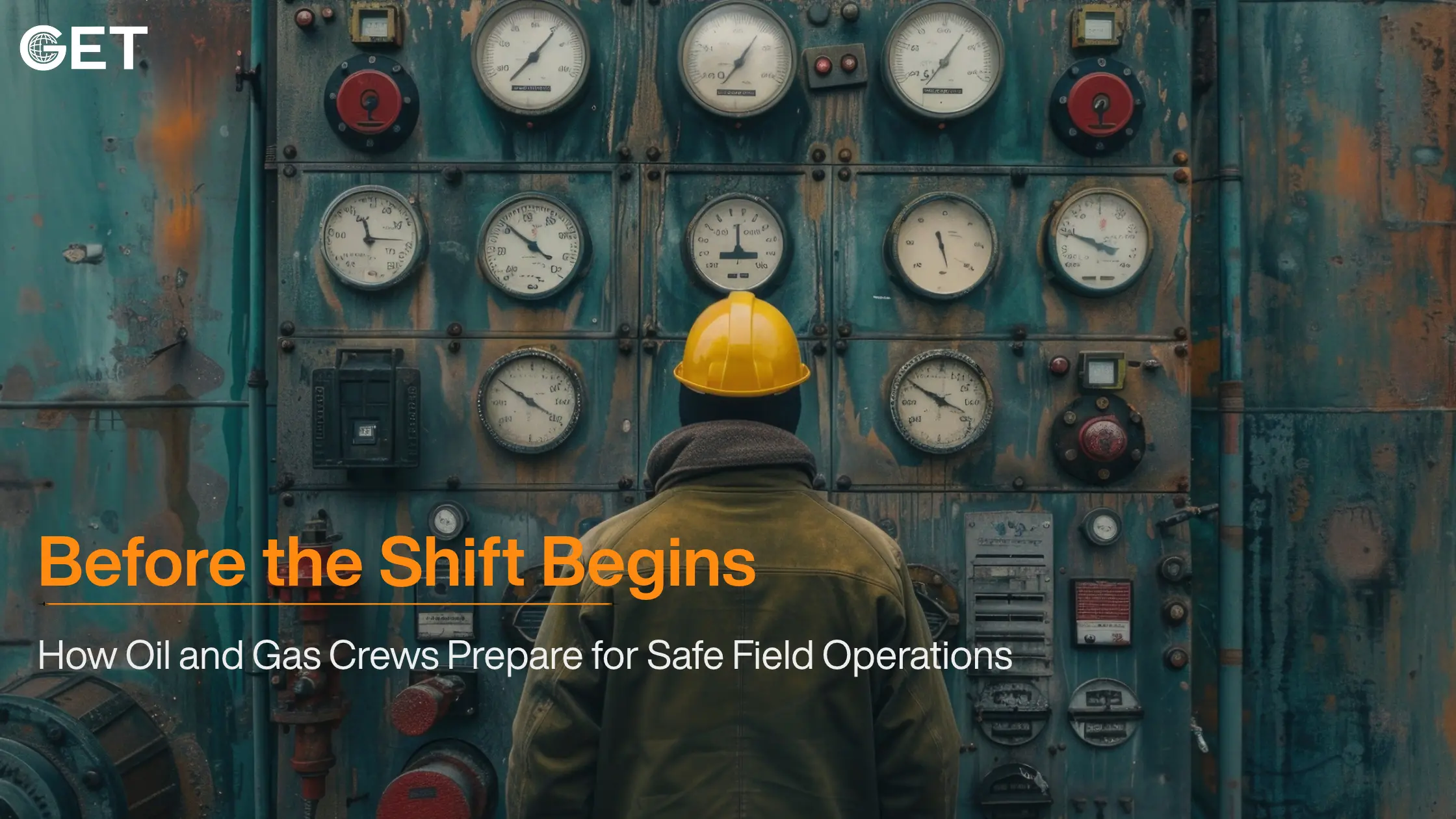
It’s 4:45 a.m. The sky is still dark. A crew van rolls into the site, tires crunching on gravel. Coffee in hand, helmets on the dash. Nobody is rushing. Nobody is joking around either. Today’s work hasn’t started yet, but the most important part of it already has.
That quiet hour before the shift is where safety really lives. In the oil and gas industry, a single missed check can turn an ordinary day into a bad one. The work is heavy, hot, and high-pressure, and the sites are often far from help. So crews don’t just “show up and start.” They prepare. Every time. No exceptions.
In this blog, we’ll walk through what really happens before the shift begins, why it matters so much in upstream oil and gas, and what anyone thinking about an oil and gas job should know.
Let’s get into it.
Because most accidents don’t come from nowhere. They build up.
A loose fitting. A tired worker. A tool left in the wrong place. A message that never got passed on from the night crew. Each one looks small. Put them together, and you have a serious problem.
In the upstream oil and gas industry, crews work with high-pressure lines, rotating machines, heavy lifting, and flammable materials. There is very little room for “we’ll figure it out later.” Once work starts, things move fast, and it is hard to stop and fix a gap in the plan.
That is why smart companies treat pre-shift time as part of the job itself. Not a bonus. Not a formality. It’s the foundation. When the first ten minutes are done right, the next twelve hours go much smoother.
Simple idea. Hard to practice every single day. But the best crews do it anyway.
This is the heart of it. Crews gather, usually in a small circle, and talk. Often called a toolbox talk or a safety briefing. Sometimes ten minutes, sometimes twenty.
A good briefing covers things like:
Here’s the thing, though. A briefing only works when people actually listen, and when they feel free to speak up. The best supervisors ask questions. “What could go wrong here?” “Anyone see something I missed?” A new worker with fresh eyes sometimes spots the problem everyone else got used to.
A meeting where only the boss talks is not a safety meeting. It’s just a speech.
Read Also- Upstream Oil and Gas Glossary: Terms Every Professional Must Know
With patience. And a checklist. Before any machine runs, someone has to look it over. Not a quick glance, a proper check. Pumps, valves, hoses, gauges, guards, lights, brakes, alarms. If it moves, spins, or holds pressure, it gets inspected.
Most sites use a pre-start checklist. It might feel boring, ticking boxes day after day. But those boxes exist for a reason. Many of them came from past incidents, written in hard lessons.
What do technicians usually look for?
If something is wrong, the rule is clear. Stop. Report it. Tag the equipment out of service. Nobody should “just run it one more day.”
This small habit protects people, and it protects the schedule too. A fault found at 5 a.m. costs a little time. A fault found at 2 p.m., in the middle of operations, can cost a whole week.
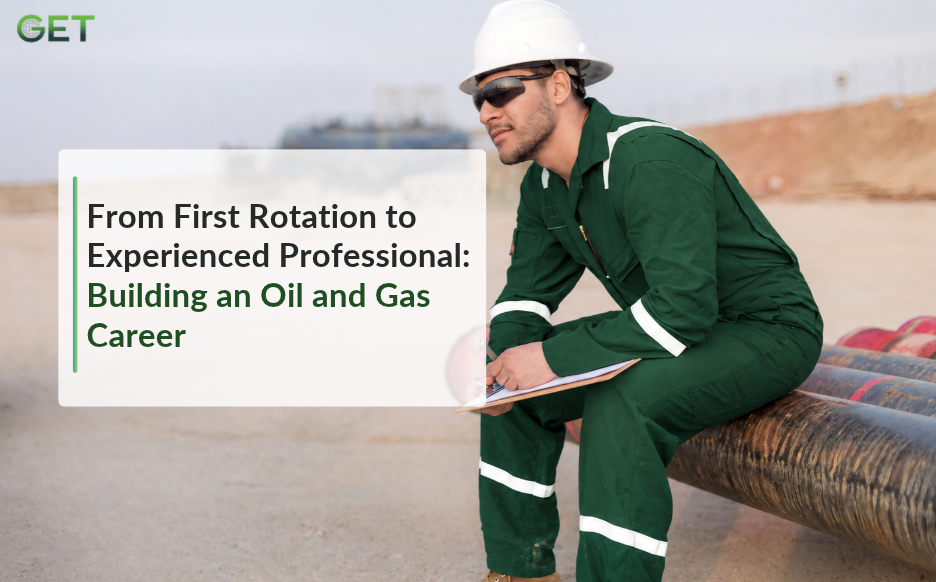
PPE is the last line of defense. It doesn’t fix a hazard, but it can save a life when something goes wrong.
In upstream oil and gas, the basic kit usually includes:
Some jobs need extra gear. Harnesses for work at height. Respirators near toxic gas. Face shields for chemical handling.
But wearing PPE isn’t enough. It has to fit, and it has to be in good condition. A cracked helmet is not a helmet. Gloves with holes are not gloves. Good crews inspect their own gear before every shift, and they look out for each other too. A quick “hey, your strap is loose” can make all the difference.
No one thinks the hard hat looks cool at 5 a.m. in the desert. Wear it anyway.
This part gets ignored a lot. It shouldn’t.
A machine can be perfect, and the plan can be perfect, but if the person running it is exhausted, distracted, or unwell, risk goes up fast. Fatigue is a real hazard in the oil and gas industry. Long shifts, night work, heat, and time away from family all take a toll.
Good crews pay attention to things like:
Supervisors have a role here too. They watch for signs, like slow reactions, short temper, or unusual quietness. And they need to create a culture where saying “I’m not fit today” is okay, not a shame.
Let’s be real. Nobody wants to look weak in front of the team. But a tired worker pushing through is a bigger risk than an honest day off.
Through a thing called a job hazard analysis, or JHA. Some sites call it a job safety analysis, or JSA. Different name, same idea.
The team looks at a task step by step and asks three simple questions:
That’s it. No fancy math. But it forces the team to slow down and think, and that’s where the magic is.
For higher-risk jobs, crews also use a permit-to-work system. Hot work, confined space entry, work at height, electrical isolation. These all need written approval before anyone touches a tool. The permit confirms that the area is checked, the energy is isolated, and the right people know what is happening.
Some workers find the paperwork annoying. Fair enough. But paperwork is how a site keeps everyone on the same page, literally. Without it, people make assumptions. And assumptions, in the field, are dangerous.
Handover is one of the most underrated safety moments of the day. The outgoing crew knows what happened overnight. The incoming crew doesn’t, not yet. That gap is where mistakes sneak in.
A strong handover includes:
The best sites do this face to face, not just by a note on a clipboard. Written logs are important, yes. But a quick conversation catches things that paper misses. “Hey, that valve felt stiff last night.” Five words that might prevent a failure.
When handover is rushed or skipped, the new crew starts blind. And working blind in a high-risk site? Never a good idea.
It’s not posters on the wall. It’s not a binder on the shelf.
Good safety culture is what people do when nobody is watching. It’s the worker who stops a job because something feels off. The supervisor who says “thank you” instead of “why are you slowing us down?” It’s the new hire who asks a question without fear.
You can usually feel it when you walk onto a site with strong safety culture. People talk to each other. Housekeeping is clean. Tools are in place. Near-misses get reported, not hidden.
Here is what separates the strong sites from the weak ones:
Culture isn’t built in a day. But it starts with small, steady habits. Like the pre-shift routine we’ve talked about.
If you’re thinking about starting an oil and gas job, the first thing to know is this: safety is not a side topic. It’s the main topic.
Employers in the upstream oil and gas industry look for people who respect procedures, listen well, and care about their teammates. Technical skill matters, of course. But attitude matters just as much.
A few things that help new workers get ahead:
And don’t be shy about speaking up. Every experienced worker started as a beginner. The ones who last in this field are the ones who stay careful, stay curious, and never think they know everything.
It’s a tough job. But a rewarding one. Good pay, real teamwork, and the pride of helping keep energy flowing. When done safely, it is a career people stay in for decades.
Companies that take pre-shift safety seriously tend to see fewer injuries, less unplanned downtime, and better morale. Workers go home to their families in one piece. Projects finish on time. Clients trust the team more.
There is no secret trick here. It’s just discipline, repeated every day. The same boring, careful steps, done again and again, until they become habit.
So if you manage a site, invest in your people and your routines. If you work on one, take ownership of your own preparation. And if you’re hiring or building a team, look for people who treat safety as a daily practice, not a poster.
The loud, busy part of the day gets all the attention. Drilling, lifting, pumping, moving. But the real work of safety happens earlier, in the quiet.
The briefing. The checklist. The gear check. The honest talk about how everyone is feeling. The handover from one crew to the next.
These steps look small. They are not. In upstream oil and gas, they are what stand between a normal day and a bad one.
So next time you see a crew gathered before sunrise, helmets on, talking quietly, remember what’s going on. They’re not wasting time. They’re getting ready to go home safe.
Because in oil and gas, the best shift is the one that ends with everybody walking out together.
Oil and gas crews prepare for a safe shift by attending pre-shift safety meetings, inspecting equipment, checking personal protective equipment (PPE), reviewing job hazards, and confirming shift handover details before starting work.
Pre-shift safety meetings help workers understand daily tasks, identify potential hazards, review weather conditions, clarify responsibilities, and discuss emergency procedures. They help reduce risks and support safer field operations.
Common safety equipment includes hard hats, safety glasses, fire-resistant coveralls, steel-toe boots, task-specific gloves, and hearing protection. Gas detectors, harnesses, and respirators may also be required depending on the job and site hazards.
A job hazard analysis (JHA) is a process used to identify potential hazards associated with each step of a task and determine how to control them before work begins. It helps crews understand risks and follow safe working procedures.
Pre-start equipment inspections help identify leaks, damaged hoses, loose bolts, unusual vibrations, faulty gauges, and other problems before operations begin. Reporting defects early helps prevent equipment failures, injuries, and unplanned downtime.

By Get global | November 16, 2026
Dubai is famous for its skyline, its shopping and its world-class airlines, but there is another side to the city that deserves more attention. Energy professionals from around the globe have made it their base, and for good reason. An oil and gas career in Dubai offers the international exposure […]
By Get global | November 12, 2026
By Get global | November 10, 2026
By Get global | November 10, 2026
By Get global | October 29, 2026