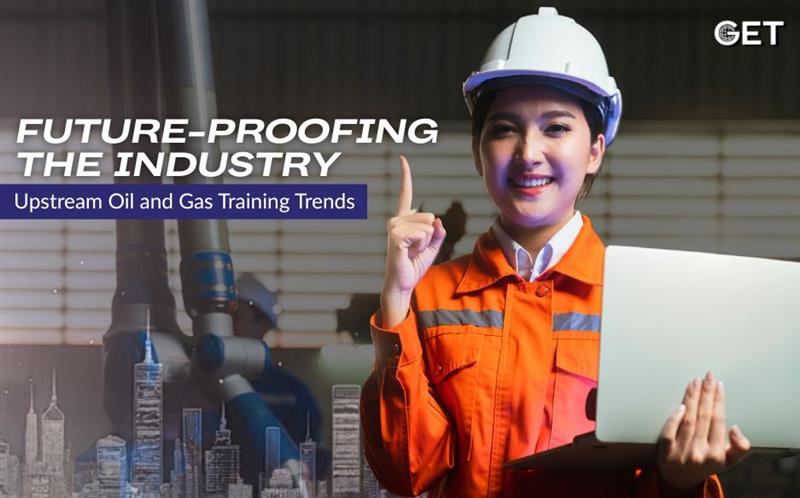
Big changes are shaking up the upstream oil and gas sector. Advancing technology new rules, and shifting worker demands are some of the main drivers. Companies must adapt to compete and stay relevant making strong training programs a must. This post looks at the newest training trends and shares how companies can prepare their teams and operations for what lies ahead.
Training plays a crucial role in the upstream oil and gas industry because of multiple factors:
· Safety: This industry comes with many risks, but giving proper training helps lower both injuries and accidents.
· Efficiency: When employees know how to use equipment well, they do their jobs faster and boost overall productivity.
· Regulatory Compliance: Regular training keeps workers informed about the latest rules and industry standards.
· Technological Adaptation: Training allows workers to keep up with new tools and learn how to use them as technology changes.
“Investing in training is investing in the future of the industry.”
Digital learning platforms are changing how training happens in the oil and gas field. Companies now use tools like webinars virtual classrooms, and online training modules to connect with more people.
· Flexibility: Workers are able to learn when they want and at the speed that suits them best.
· Cost-Effectiveness: It saves money by cutting out travel expenses and traditional in-person training.
· Accessibility: Training materials become easy-to-reach for people working in far-off locations.
The oil and gas upstream industry is turning more toward simulation-based training. This type of training lets employees work on their skills in conditions they can control, which helps them prepare for tricky tasks.
· Real-Life Situations: Simulations let workers experience real-world scenarios to get ready for emergencies.
· Quick Feedback: Trainees get feedback right away, which helps them fix mistakes and build their skills faster.
· Better Learning Retention: Doing things through practice strengthens what they’ve learned.
Technical skills matter a lot, but soft skills play a bigger role in the upstream oil and gas field these days. Training programs have started adding lessons to teach teamwork, leadership, and good communication.
· Collaboration: Teams need to work together well as projects grow harder to manage. Successful outcomes often depend on teamwork.
· Problem-Solving: Workers with good people skills handle issues better and solve problems more efficiently.
· Adaptability: Learning soft skills helps employees adjust when their roles or workplaces change.
As people worry more about how industries harm the planet, training programs now teach ways to act with resources. This shift shows a bigger promise from companies to cut down on carbon emissions and manage resources .
· Environmental Awareness: The training teaches ways to reduce harm to the environment.
· Regulatory Compliance: The sessions cover rules about sustainability and show employees how to follow them.
· Corporate Responsibility: Organizations use training programs to encourage a work culture that supports sustainability.
VR and AR tools are creating a shift in how training happens. These tools give workers a hands-on way to interact with training content that traditional approaches cannot provide.
· Immersive Learning: Trainees experience situations that might be risky or impossible to recreate in the real world.
· Better Engagement: Employees stay interested and attentive through interactive learning methods.
· Building Skills: VR and AR help workers practice tasks like using equipment or handling emergencies.
Smartphones and tablets are making mobile learning a common choice in oil and gas training. This method lets workers get to training resources wherever and whenever they need.
· Convenience: Employees can use their free time or moments while traveling to learn new skills.
· Short Lessons: Mobile devices allow workers to access small easy-to-digest lessons that fit into their schedules.
· More Engagement: With mobile learning more people are likely to get involved in training programs.
Companies need ways to check how well training programs work. They can do this through:
· Participant Surveys: Asking employees for their opinions can show where training needs improvement.
· Work Performance Data: Comparing how workers perform before and after training shows its impact.
· Memory Retention: Seeing how much employees remember can show if the training materials are effective.
The upstream oil and gas sector keeps changing, and training programs must adapt to these shifts. Companies can prepare their teams for future challenges by using digital tools, simulation training, and focusing on sustainable practices. Spending on training is more than just important; it acts as a smart strategy to create a safer and smoother-running industry that supports sustainability.
The future of the upstream oil and gas industry depends on the knowledge and skills of its workforce. Let’s invest in training today for a better tomorrow.
Read Also- Understanding Blowout Preventers in the Upstream Oil and gas Industry
By Get global | October 19, 2026
By Get global | October 16, 2026
By Get global | October 12, 2026
By Get global | October 9, 2026
Ask any person working night shifts in rigs and compressor stations what holds the industry back, and you will seldom hear anything about geology. Disconnected information, delayed decision-making, and machinery breaking down at the wrong moment – all these factors are more common causes of productivity losses in the industry. […]
By Get global | October 5, 2026
Specialized expertise turns a hard project in the oil and gas industry into a workable one. Every oilfield has its own geology, risks, and surprises. The teams that handle them the operations on field have usually met something similar before. In the modern world, upstream oil and gas companies are […]