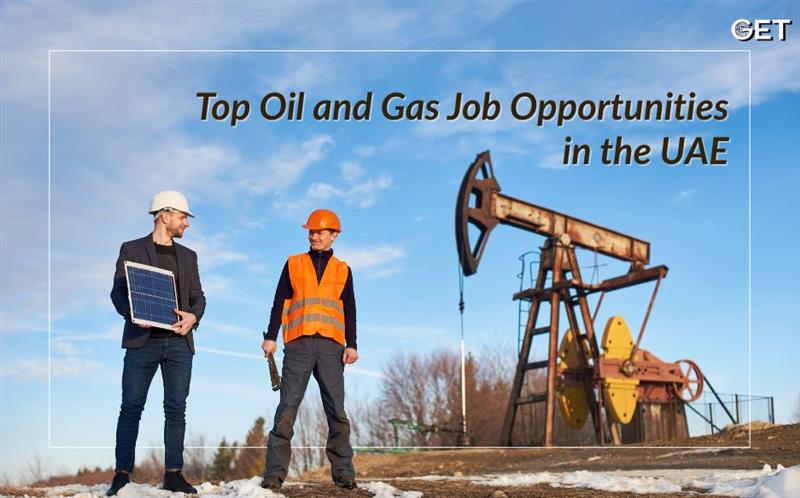
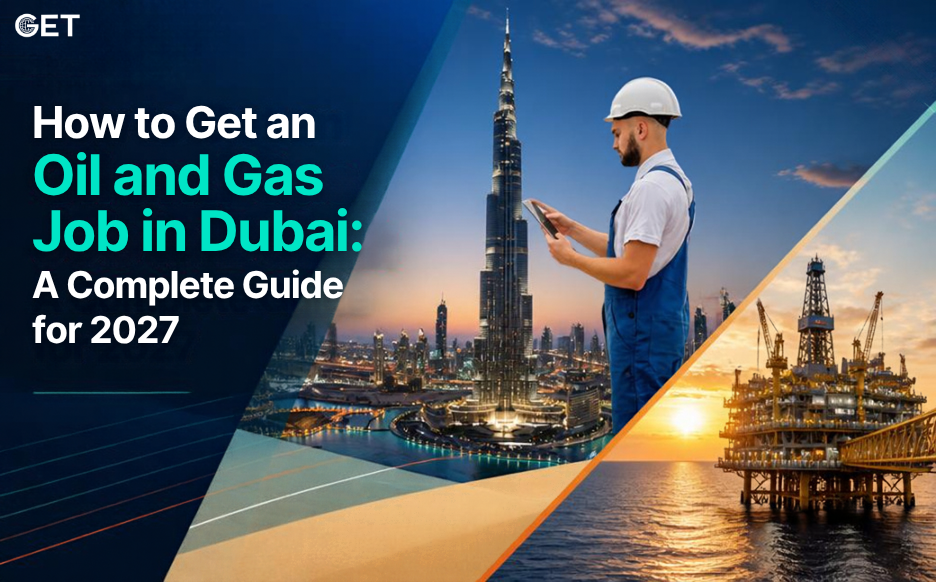
When it comes to building a career in energy, the UAE remains one of the most exciting and active job markets in the world. From Abu Dhabi’s massive oil reserves to offshore drilling projects in the Arabian Gulf, the oil and gas industry here offers a wide range of opportunities for professionals with the right skills and mindset.
If you’ve been searching for oil and gas jobs or you’re curious about where your technical background could take you in this field, then this blog should help. We’ll talk about what kinds of jobs are in demand, what companies are looking for, and how to give yourself an edge in the upstream oil and gas market.
Let’s start with the obvious—oil has been the backbone of the UAE economy for decades. But it’s not just about history. The country continues to expand its energy capabilities, whether it’s new oilfield discoveries, cutting-edge drilling tech, or integrating AI in field operations.
Also, salaries here are tax-free, the projects are often international in scope, and the working conditions are some of the best in the Middle East. It’s not unusual for someone to relocate here for a short-term contract and end up staying for years.
Here’s a list of top roles in the oil and gas industry that are seeing strong demand across the UAE, especially in the upstream segment.
These folks are involved from the start—designing drilling plans, analyzing reservoir performance, and helping boost production. There’s always a need for experienced petroleum engineers in companies like ADNOC and its subsidiaries.
If you are into operations, from here begins the exciting part. Drilling engineers are involved in drilling wells safely and cost-effectively. Offshore drilling platforms and desert rigs generally have more than one team working in shifts.
In reality, finding petroleum is not as simple as digging a hole into the earth. These are the geologists and geophysicists who study rock formations to assist companies in deciding on places to explore. Most expats with a geology background are working in Abu Dhabi or Dubai for exploration contracts.
Safety is a key factor in oilfield operations. HSE officers identify potential risks and provide reactions in times of emergency. Having NEBOSH or IOSH certification will set your resume apart.
Pumps, compressors, generators, and motors these are the areas where your help is required through all oilfield stages. If you have any experience with heavy equipment and automation systems, this might be the place for you.
The oil and gas job market is shifting, and here are a few areas you’ll want to watch:
Big oil companies in the UAE are going digital. Think AI-based predictive maintenance, real-time drilling data monitoring, and robotics in offshore operations. If you have experience in data science or automation, you might land a role that didn’t even exist five years ago.
With all the talk around carbon neutrality, the UAE is now investing in green energy initiatives. That means there’s increasing demand for environmental specialists, ESG consultants, and sustainability officers—often within oil companies themselves.
You’d be surprised how many people just upload a CV and wait. Don’t do that.
Here are smarter ways to find real opportunities:
Read Also- Is Produced Water the Hidden Challenge in Upstream Oil and Gas Operations?
Most find it professional, with a somewhat hierarchical nature to the working culture. English is widely used, teaming people from all over the globe. You may find a Filipino, Indian, Brit, and Egyptian in one shift!
Sometimes the weather has a tough personality, mostly in summer, but then the options for infrastructure are plenty. Life is comfortable, whether staying in Dubai or at an oil-field accommodation. Just be wary that offshore and remote-site jobs may demand 12- to 14-hour shifts.
If building a longer career in the oil and gas field, the UAE is, therefore, one of the best options for the purpose. Being a dynamic industry, new roles open up every day, especially in upstream oil and gas.
You need not be an expert to get on your feet. However, you always need to sharpen your knowledge, keep on learning, and network. That right job in the oil and gas sector could be one application away from you!
By Get global | October 5, 2026
Specialized expertise turns a hard project in the oil and gas industry into a workable one. Every oilfield has its own geology, risks, and surprises. The teams that handle them the operations on field have usually met something similar before. In the modern world, upstream oil and gas companies are […]
By Get global | September 30, 2026
By Get global | September 28, 2026
By Get global | September 28, 2026
By Get global | September 28, 2026
Technology has touched every corner of modern oil and gas operations—from upstream exploration and drilling to midstream pipelines, downstream facilities, maintenance, and performance monitoring. One area where digital transformation delivers exceptional value is HSE (Health, Safety and Environment), a core priority for GET Global Group and the wider energy industry. […]