In the face of a rapidly evolving environment, the only constant is change. The Russian-Ukraine war and the COVID-19 pandemic have disrupted global energy supply chains. Shortages of crucial minerals, commodities, and other components and materials are emerging as major barriers in the journey towards a clean energy transition. Political, social, and economic factors are also causing their share of disruptions, thus posing challenges for energy companies to steer towards greener and more sustainable solutions. In this backdrop, it would be interesting to explore the energy trends as they emerge in 2023 and the near future, as viewed from the lens of sustainability and energy security, and secondly, how oil and gas companies can achieve some level of certainty in this constantly volatile environment.
With the supply chain in a constant state of flux in an increasingly volatile climate, companies can achieve greater certainty through value chain modernization. In this era of smart technologies, data has emerged as one of the most valuable resources any energy company can own. Real-time data in the hands of the right people at the right time can translate into smarter business decisions that are aligned across the entire value chain. With a unified data ecosystem in place, oil and gas companies can greatly transform their capabilities and identify new opportunities for growth. Further, they can also develop a range of innovative products and customize them to the unique needs of their clients. VCM also supports ESG by providing regulators, investors, and customers with the transparency they demand.
Along with value chain modernization, energy companies would need to digitalize their business infrastructure, for instance, moving away from the complicated legacy billing systems to the modern SaaS-based billing platforms. Further, they would need to offer real-time pricing visibility and more transparent online experiences for a more productive end-to-end customer experience.
A trend that has been gaining ground in 2022 is the just energy transition partnerships that are taking place between different countries to achieve a low-carbon economy. According to the International Institute for Sustainable Development, “as they involve a relatively small group of actors, JETPs can potentially make much faster progress on the energy transition than what would be possible in the UN climate talks themselves, where large oil and gas-producing countries could veto agreements.”
A case point is the loan agreement worth EUR 600 million that South Africa has signed with Germany and France to implement the JETP, which it announced at COP26. Similarly, Indonesia chose the G20 Summit platform to announce its JETP with the aim of raising US$20 billion over the next three to five years to further add momentum to its energy transition journey. In line with this growing trend, countries such as India and Vietnam are also showing keen interest in just energy transition partnerships.
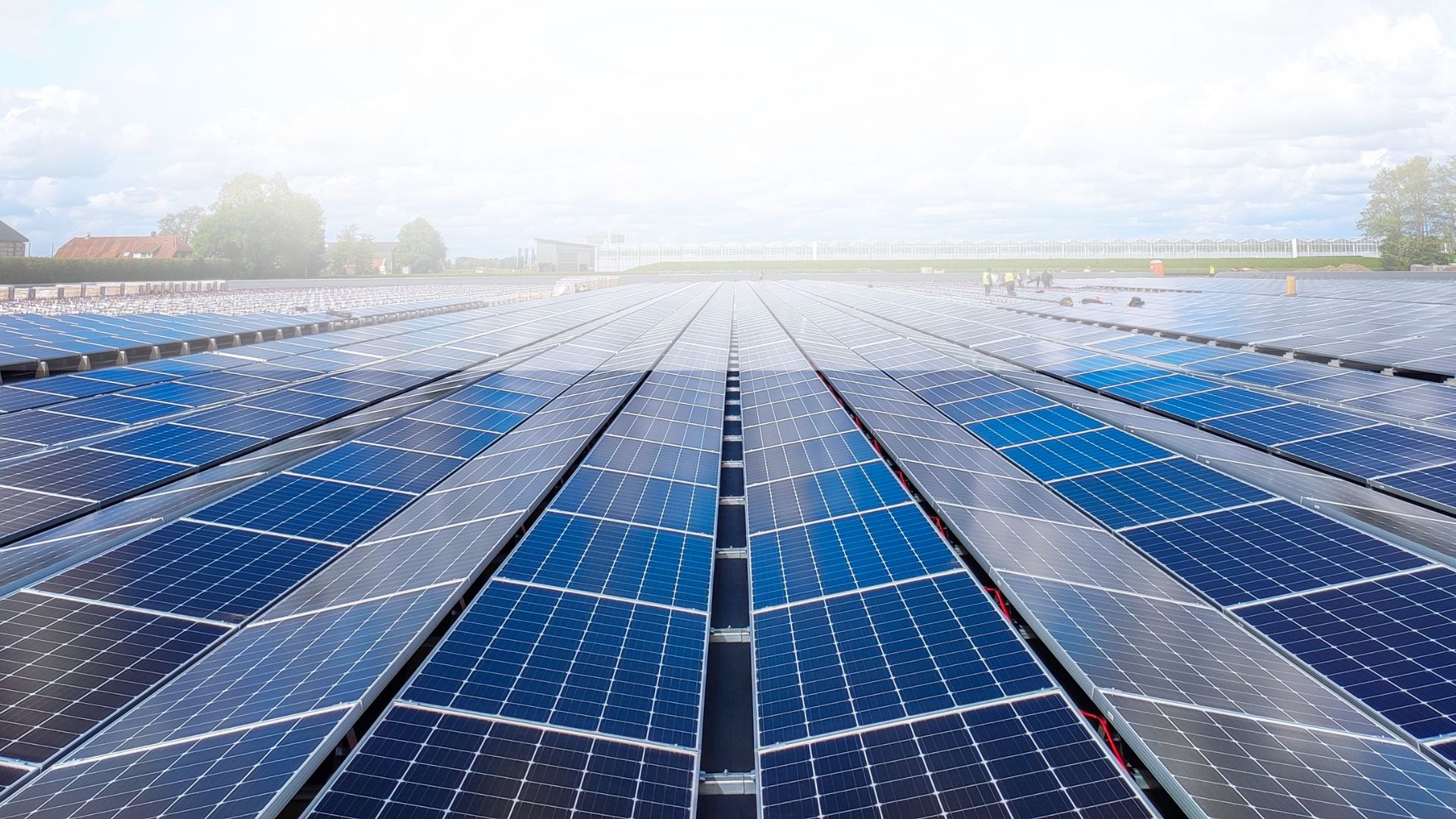
With the world experiencing climate change at an alarming rapid rate, environmentally aware consumers are now showing increasing support to achieve net zero carbon footprints. This, in turn, has accelerated the demand for sustainable energy. As a result, more and more global oil and gas players are seen to be adding clean energy solutions to their product portfolios. However, till date, no single clean energy solution has been scaled beyond the 5–10% range. While consumer demand for solar and wind energy continues to rise, energy companies are unable to fulfil it at the current rate. Hydrogen, too, is becoming more valuable, though it remains expensive to source. Going forward, oil and gas companies would continue to invest in the energy transition in order to offer solutions that are more aligned with the green ethics of consumers while also achieving profitability.
Also Read: Leveraging Latest Technology in the Energy Industry
Driven by the constantly evolving business environment and the shifting focus of consumers towards green products, energy companies are constantly evolving their business practices to remain market-relevant while also striving to meet sustainable development goals as specified in the Paris Agreement and COP27. Emerging energy trends for 2023 show that there is greater focus on value chain modernization, digital transformation, joint energy transition partnerships, and net zero carbon imprints. GET Global Group, a leading solutions provider to the upstream oil and gas industry, is assisting its clients to transition to clean energy by adding innovative solar energy solutions to their product portfolios, upgrading their digital skills and expertise, and adapting to the changing trends in the energy industry.
Also Read: Outsourcing Strategies in the Upstream Oil and Gas Industry