The upstream oil and gas industry demands a proactive, farsighted and dedicated approach among professionals to identify and seize the right opportunities to advance their career. The rapid evolution of eco-friendly methods, coupled with innovative technologies and renewable energy alternatives, drives professionals in the field to upgrade their expertise and expand their understanding continuously.
Given the robust employment opportunities in the oil and gas sector, professionals must consistently upgrade their capabilities to remain competitive and distinctive. Various positions attract different levels of interest, with some roles demanding specific qualifications and professional development.
Individuals need to continuously refine their abilities to ensure personal development, and secure a place for themselves within their professional environment.
As we drill deeper into the oil, gas and energy sector, we understand the pathways and labour involved to excel in this career path. It’s important to grasp the different areas that can lead to significant career breakthroughs.
The following sections outline critical components necessary for upward mobility in the field:
1. Educational Qualification
The pursuit of scaling upwards in the oil and gas sector requires a solid educational foundation, along with continuous skill development. Comprehensive training programs, coupled with both in-person and online learning opportunities, are essential for developing a profound understanding of industry specific technologies and processes. This educational grounding equips professionals with the practical skills required to navigate the technical complexities of the field, while also adhering to practicing sustainability through Environmental, Social, and Governance (ESG) criteria.
2. Specialization and Advanced Certification
Gaining expertise in specialized areas through targeted training and certifications is a very big aspect of career advancement. Advanced certifications not only improve employment prospects but also ensure technical proficiency. By acquiring in-depth knowledge of operations and processes, by getting hands-on experience, individuals can position themselves as experts within their respective domains, and substantially increase their value to potential employers.
3. Soft Skills
Developing interpersonal abilities is crucial, as skills like analytical thinking, organizational management, effective interaction, and solution-focused approaches are essential for navigating and succeeding in today’s dynamic professional landscape.
People skills including strong leadership and clear communication allow professionals to direct teams, participate in interdepartmental initiatives, and explain technical concepts to business stakeholders effectively. Flexibility, adaptiveness, and openness to taking on difficult assignments or geographical moves are key qualities for success in this environment.
4. Networking
Building professional connections represents a core competency that enables partnerships and collaborations, creating pathways to new possibilities. Building robust relationships with industry experts can provide mentorship and assistance, leading to an extensive network of influential contacts. Participation in industry gatherings and active engagement on professional platforms, particularly LinkedIn, can expand one’s professional circle and provide access to valuable insights and opportunities.
5. Mentorship
A good mentor with the right expertise and experience can be highly instrumental in guiding you and supporting you towards advancing your career growth. They can offer great insights, help you tackle career challenges, and connect you with other seasoned industry professionals. Such relationships provide access to critical information and opportunities that can significantly accelerate career advancement within the oil and gas sector.
6. Navigating the Job Market
Remaining informed on industry developments is imperative for anyone seeking employment in the oil and gas sector. Thorough market knowledge not only provides a competitive edge but also enables candidates to perform better in interviews. Meticulous understanding of job requirements, performance history, and the geographical focus of potential employers is essential to assess the viability of prospective career moves.
Tailoring resumes to align more closely with job descriptions and incorporating relevant keywords can improve your chances at securing the job. Furthermore, proactive job searching, including leveraging personal networks and engaging recruitment agencies can provide one great visibility.
7. Embracing Digital Change
The industry is undergoing a significant transformation due to the integration of digital technologies, which are pivotal in improving operational outcomes. Learning skills in data analytics, predictive maintenance software, and digital twin technology is important. Proficiency in project management tools is also essential for informed decision-making.
Also to keep in mind, embracing the alignment of sustainability goals with digital innovation is extremely important.
The oil and gas sector is severely impacted by global political dynamics, market forces, and environmental regulations. Continuous engagement with industry reports, government policies, and geopolitical developments helps make informed strategic decisions. Developing expertise in crucial areas such as supply chain management and energy trading prepares professionals to effectively navigate the transition toward renewable energy solutions.
Career advancement in this dynamic sector requires a sophisticated combination of technical expertise, leadership capabilities, and adaptability. At GET Global Group, we remain dedicated to providing professionals with comprehensive resources, tools, and guidance essential for their success.
By implementing these strategic approaches and developing these critical skills, professionals can enhance their career trajectory while contributing meaningfully to the energy sector’s evolution.
By Get global | September 22, 2026
By Get global | September 21, 2026
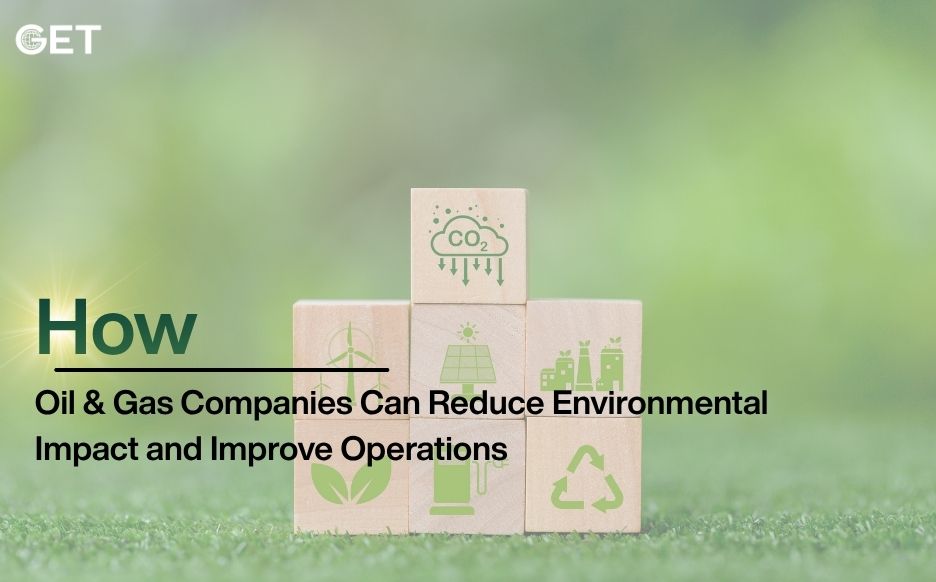
Regulators are tightening the screws on emissions. Investors are asking harder questions about ESG performance. And communities near production sites have gotten a lot less patient with flaring, leaks, and spills that used to get a shrug. For upstream operators, environmental performance isn’t a side conversation anymore. It’s sitting right […]
By Get global | September 18, 2026
By Get global | September 14, 2026
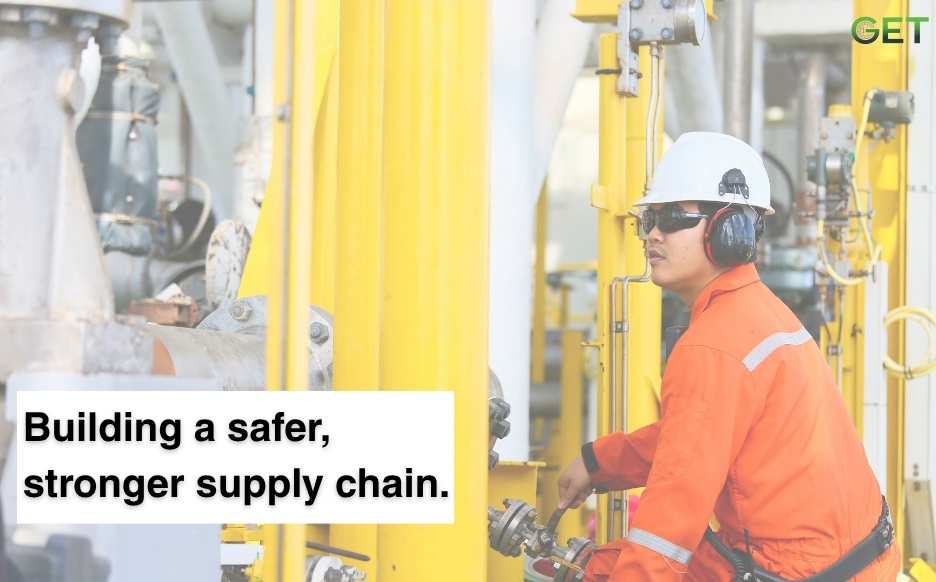
Ten years back, most HSE policies stopped at the company gate. Whatever happened past that point, subcontractors, transport, equipment vendors, was technically someone else’s problem, at least on paper. Not anymore. And the reason is blunt: trace a serious incident back far enough, and often it started somewhere in the supply chain, not […]
By Get global | September 14, 2026
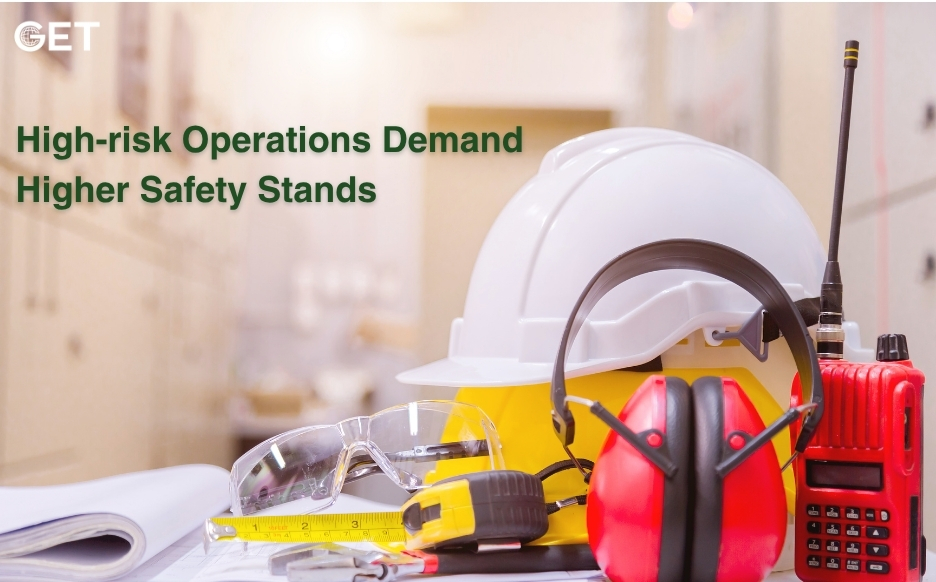
Health, safety and environment in the oil and gas sector was long treated as a back-office function, running quietly alongside the core work of drilling, extraction, and processing. That is no longer the case. Extreme pressures, volatile materials, remote sites, and heavy machinery mean the risk in this industry has […]