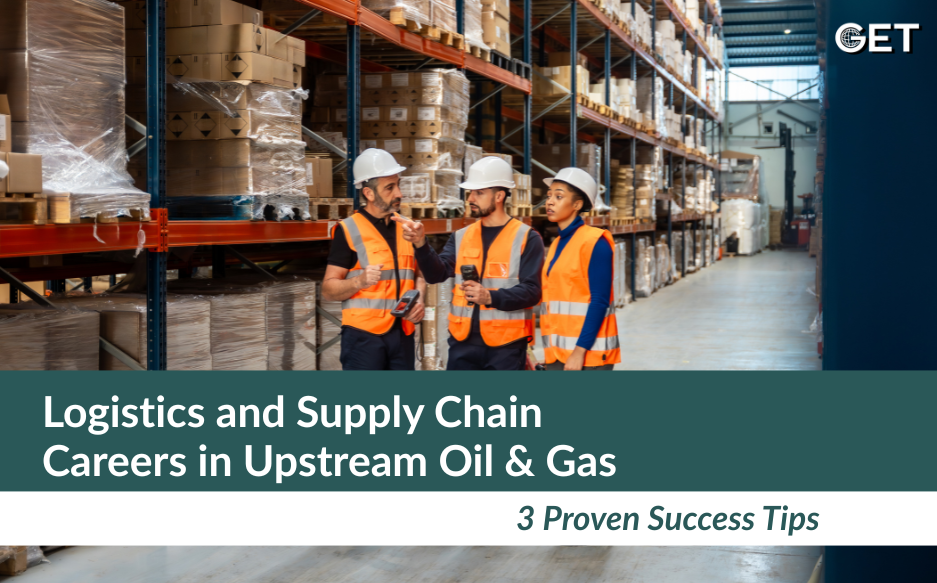
Upstream oil and gas is where the real work starts. This is the part of the value chain where exploration wells are drilled, rigs are mobilized, and production systems are installed, often hundreds of kilometers away from stable ports, roads, or population centers. Logistics here supports drilling campaigns, well interventions, subsea installations, and early production systems, not finished products moving through clean networks.
The scale behind this is easy to miss until you work inside it. The oil and gas logistics market in the world has passed the 404 billion mark in 2035. The size of that figure indicates constant transportation of rig parts, tubulars, drilling fluids, completion equipment, spares and consumables, lots of which are time sensitive. Missing a delivery of casing or a delay on a BOP piece can cause a slippage of a whole drilling schedule, and cost hundreds of thousands of dollars a day.
Every producing well or offshore platform runs on a logistics backbone that rarely gets attention unless something fails. Supply bases manage inbound and outbound cargo. Marine spreads coordinate PSVs, AHTs, and crew boats. Aviation teams schedule helicopters around weather windows and payload limits. Inventory teams track critical spares because lead times can stretch into months. When one link breaks, downtime follows.
For professionals building or advancing a career in upstream logistics, the opportunity is real, but so is the pressure. This is not a coordination role in the traditional sense. Decisions are made with incomplete information, changing field conditions, and tight safety constraints. You are expected to understand equipment criticality, transport limitations, and operational risk, often at the same time.
Whether someone is entering the industry or moving toward senior responsibility, success in upstream oil and gas logistics comes from more than standard supply chain knowledge. The people who perform well understand operations, not just processes. The following three tips reflect what consistently separates dependable performers from everyone else.
In upstream oil and gas, logistics rarely goes to plan. Weather shifts. Equipment arrives late. Ports get congested. Helicopters get grounded. The work is not about creating perfect plans. It is about keeping drilling and production moving when things stop behaving.
Upstream logistics operates in conditions most supply chains never deal with. Teams routinely support:
People who perform well understand what is truly critical. They know which delays can be absorbed and which ones shut a rig down. A late casing string, a missing spare for a mud pump, or poor coordination at the supply base can stall operations and burn day rates fast.
Credibility in upstream roles is built through exposure, not theory. Useful experience often includes:
Upstream employers look for people who understand logistics beyond screens and reports. Dashboards help, but judgment matters more. They value professionals who stay calm when plans break and can make practical decisions under pressure.
For those early in their careers, time spent close to site operations or project logistics makes a difference. Seeing how things fail in the field teaches lessons no planning model can replace. Over time, that experience becomes the base for leadership responsibility.
In upstream oil and gas, nothing moves casually. Every box, container, and pallet is checked, signed off, and questioned. Cargo manifests. Dangerous goods declarations. Lift plans. Sailing notes. Flight approvals. If one piece is missing, the movement stops.
People coming into upstream logistics often assume compliance sits somewhere else. With HSE. With legal. With the client. That assumption usually lasts until the first shipment gets stuck. As a matter of fact, logistics teams are concerned with compliance on a daily basis. Misplaced HS code, expired permit or an unfinished MSDS may slow down a vessel or have equipment lying in a port as a rig waits offshore.
To work in this environment, you must not merely know the book of such areas as:
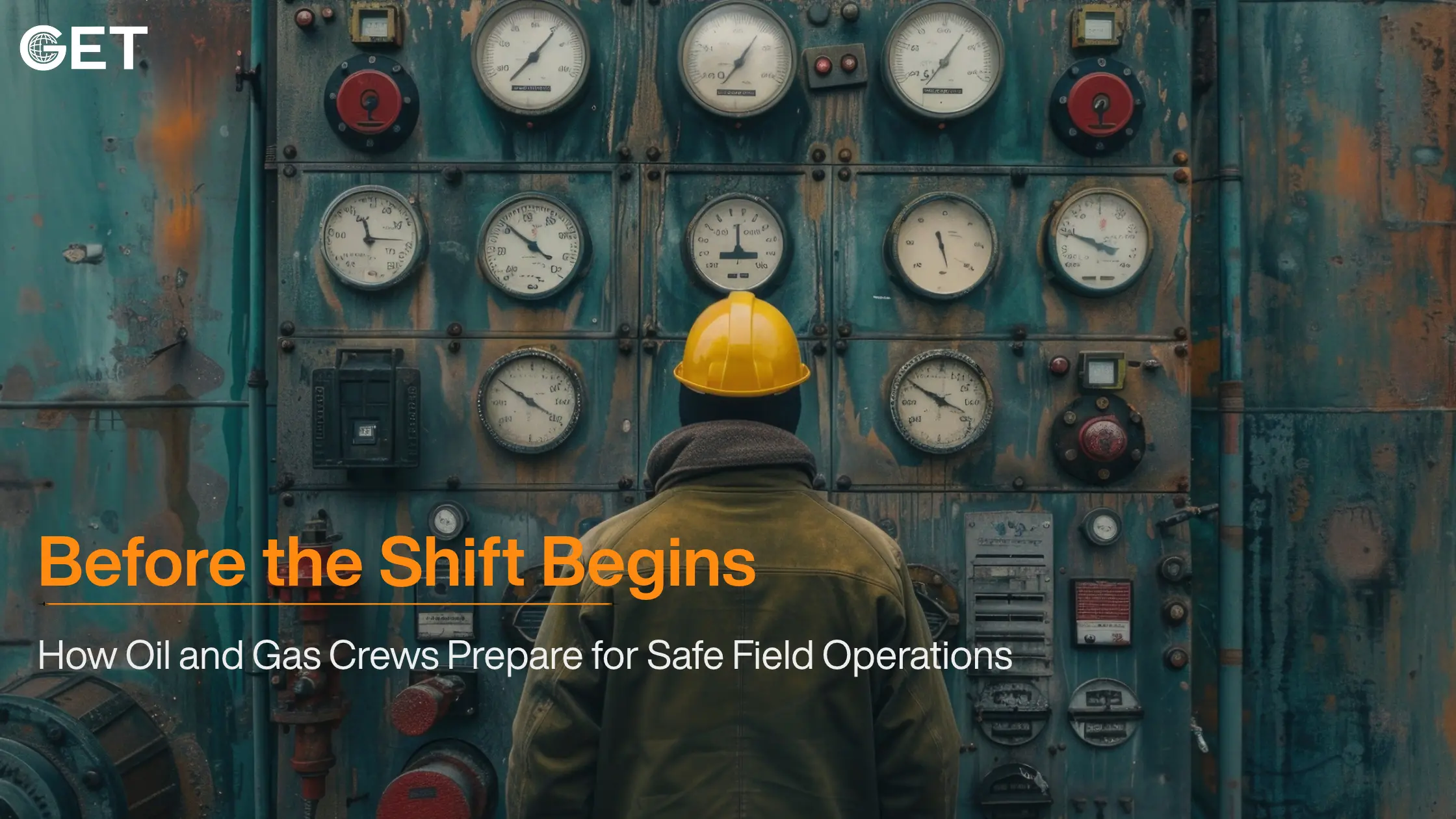
Safety is taken seriously because mistakes show up fast. A rushed lift plan. A container packed incorrectly. A shortcut taken to save time. These things do not stay hidden. When incidents happen, logistics decisions are almost always part of the review.
People who gain trust in upstream roles usually behave in similar ways:
Recruiters notice this quickly. Hiring managers remember the people who protect operations, not just schedules. In upstream logistics, compliance and safety are not side requirements. They are what allow work to continue at all.
In upstream oil and gas, knowing logistics is only half the job. A big part of the role is managing people and expectations. Everyone is under pressure. Everyone wants something moved now. And most of the time, you are working with partial information.
On a live project, you are usually dealing with:
Problems show up when these groups are not aligned. A vessel is ready but the cargo misses cut-off. Equipment arrives but the paperwork does not. Small delays turn into big costs when no one is watching closely.
People who perform well do not just react when things go wrong. They look ahead. They read contracts properly. They know what the rates cover and what gets billed separately. They ask questions early and keep track of costs even when the schedule is slipping.
Over time, these habits start to show:
Upstream decisions are rarely clean. You choose between bad options and slightly better ones. Employers value people who can explain those choices, flag the risks, and still keep work moving.
The ones who understand both the field and the commercial side usually go further. They get trusted with larger scopes, tougher projects, and eventually, leadership roles.
Upstream logistics does not stand still for long. Tools change. Reporting gets more digital. Clients push harder on local sourcing and resilience. None of that removes the need for people who understand how work actually gets done in the field.
What stays consistent is demand for experience. Companies still look for professionals who know how to move equipment into difficult locations, deal with regulators, and keep operations running when plans break. That kind of experience does not come quickly, and it does not go out of date easily.
People who last in this space usually do a few things well. They keep up with rules and requirements because those change often. They take on difficult projects, even when the scope looks messy or the location is unfamiliar. And they choose employers who understand upstream work, not just logistics in theory.
At GET Global Group, we spend time understanding both sides of that equation. We know what operators and contractors expect on live projects, and we know what logistics professionals need to keep progressing. That perspective helps us place people in roles where their experience actually gets used, not wasted.
Upstream logistics is not a role you master quickly. Majority of the individuals acquire it through errors, correcting those errors, and memorizing to avoid repeating them again. In the long run, it is the level of understanding the operations, the seriousness taken on safety, and the way one deals with pressure when various teams are pulling in opposite directions.
People who last in this field usually invest in the basics. They spend time in the field. They understand risk before it becomes a problem. They learn the commercial side instead of avoiding it. None of this is glamorous, but it is what keeps work moving.
Provided that you are committed to the idea of establishing your career in upstream oil and gas logistics, these fundamentals are going to have a superior impact compared to titles or tools. Over time, they are what make you someone others rely on.
Read Also- Why Health, Safety, and Environment Matter in the Oil and Gas Sector
Logistics and supply chain professionals manage the movement of equipment, materials, and personnel to drilling and production sites. They ensure operations run smoothly by coordinating transportation, inventory, procurement, and vendor relationships.
Key skills include supply chain planning, inventory management, procurement, transportation coordination, problem-solving, communication, data analysis, and familiarity with industry regulations and logistics software.
Yes. Logistics is a rewarding career with strong demand, competitive salaries, and opportunities to work on complex projects in both onshore and offshore operations.
Most employers prefer a bachelor’s degree in supply chain management, logistics, engineering, business, or a related field. Professional certifications and industry experience can also improve job prospects.
Career options include Logistics Coordinator, Supply Chain Analyst, Procurement Specialist, Warehouse Manager, Materials Coordinator, Inventory Controller, and Supply Chain Manager.
Begin by gaining relevant education, developing technical and analytical skills, completing industry training, applying for entry-level roles, and building practical experience through internships or field assignments.
By Get global | November 26, 2026
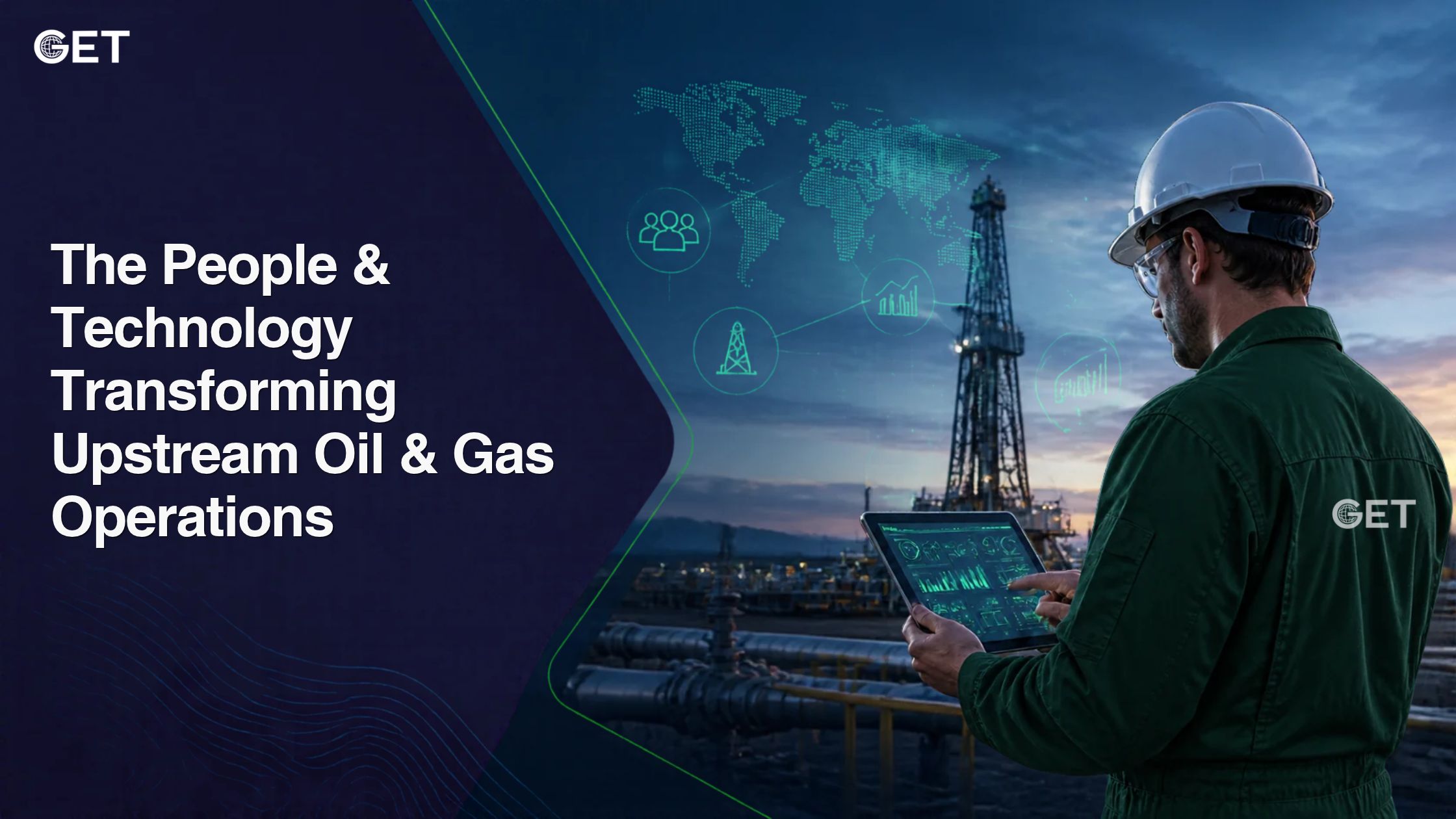
Walk through any conference hall in the upstream oil and gas industry and you’ll hear the same words on repeat: digital twins, machine learning, autonomous drilling. Fair enough, they’re interesting. But every sensor in the field was picked by somebody, bolted on by somebody else, argued over during calibration and […]
By Get global | November 19, 2026

By Get global | November 16, 2026
Dubai is famous for its skyline, its shopping and its world-class airlines, but there is another side to the city that deserves more attention. Energy professionals from around the globe have made it their base, and for good reason. An oil and gas career in Dubai offers the international exposure […]
By Get global | November 12, 2026
By Get global | November 10, 2026