The Middle East operates as the core of the oil and gas industry since most energy industry developments throughout the world converge at this particular region. The region provides career opportunities which offer exceptional salary packages and thrilling work experiences throughout its Saudi Arabian deserts and Abu Dhabi urban centers and Qatar development projects.
The oil and gas job market in this part of the world has changed dramatically throughout the past ten years. The industry needs more than just drilling engineers and field technicians. The current oil and gas workforce requires digital technology and environmental compliance and project management and logistics and engineering skills that did not exist a decade ago. Gulf governments allocate substantial funding toward exploration and production and infrastructure development which leads to new job openings throughout the entire industry.
The Middle East oil and gas job market enables experienced engineers and new energy graduates to create their career paths through understanding the current job market. The region attracts international professionals because it has abundant energy resources and worldwide energy market power and attractive salary packages.
The blog presents the leading oil and gas employment opportunities in the Middle East together with their required skills and salary ranges and the methods which professionals can use to develop successful careers in upstream oil and gas companies and throughout the entire energy industry.
The Middle East serves as a critical area for international oil and gas operations. The countries of Saudi Arabia, the United Arab Emirates, Qatar, Kuwait, and Iraq together control a large portion of the global certified oil reserves. The region serves as an essential energy production and distribution center because of its energy resources.
The world’s largest oil and gas operations are under the control of national oil companies which include Saudi Aramco and ADNOC and QatarEnergy. Their projects include offshore drilling programs and LNG facilities and refinery expansions and major pipeline infrastructure. The organizations require continuous hiring of engineers who will work as technicians and project managers and safety professionals.
The financial benefits of working in oil and gas positions in the Middle East represent one of the main reasons why professionals choose to work in this industry. Gulf countries provide workers with multiple benefits which include tax-free income and housing allowances and relocation benefits and international travel support. The additional benefits lead to a substantial increase in total compensation which exceeds the package found in similar positions across different regions of the world.
Professionals receive salary benefits which enable them to work on some of the largest energy projects worldwide. The Middle East provides professionals with opportunities for practical learning about modern drilling methods and extensive construction activities and global collaboration. For many professionals, even a few years of experience in the region can significantly strengthen their career profile.
The oil and gas industry provides employment opportunities that include positions in upstream activities and midstream activities and downstream activities. The most lucrative employment positions exist in upstream oil and gas companies which specialize in exploration and production work.
· Petroleum Engineer
Petroleum engineers design methods which enable oil and gas extraction from underground reservoirs. Their work requires them to study geological information while creating drilling plans and finding ways to improve production output.
The position demands advanced technical skills which require the professional to work with geologists and drilling engineers and production staff. Petroleum engineers represent one of the most elite groups of workers in the oil and gas sector because their work demands high levels of expertise.
· Reservoir Engineer
Reservoir engineers evaluate underground reservoirs to identify ways for efficient oil and gas extraction. They use advanced simulation software and geological data to estimate production potential and plan long-term extraction strategies.
The upstream oil and gas sector depends on reservoir engineers to enhance production output through reservoir performance management.
· Drilling Engineer
Drilling engineers manage all phases of drilling operation planning and implementation. Their work requires them to choose drilling machines which need to be operated under safe and effective conditions while they observe the status of the drilling operation.
Drilling engineers who possess extensive experience hold high value within the oil and gas sector because drilling operations require substantial financial resources and present potential security hazards.
· HSE Manager
Health, Safety, and Environment (HSE) managers ensure that all operational activities comply with established safety rules and environmental protection standards. Oil and gas projects require safety management because they operate in dangerous environments which contain complex operational activities. The HSE professionals perform safety training activities while they assess risks and create protective procedures for workers and equipment.
· Process Engineer
Core duties of process engineers include their work at refining and processing facilities. The system designers create processes that transform crude oil and natural gas into marketable products which include fuels and petrochemicals and industrial materials. The team needs to enhance production processes while increasing operational efficiency and maintaining safe facility operations.
Read Also- Top 5 Reasons to Choose a Career in the Oil and Gas Industry
The oil and gas industry needs workers who have both technical skills and hands-on experience and exceptional abilities to solve problems. The job requires professionals to handle complex technical systems while working in demanding environments.
· Technical Engineering Expertise
The majority of jobs in the oil and gas sector require workers to possess engineering or scientific educational qualifications. The industry most frequently employs professionals who have completed academic programs in petroleum engineering and mechanical engineering and chemical engineering and geology.
Professionals must learn all aspects of drilling technologies and reservoir dynamics and production systems and industrial equipment.
· Digital and Analytical Skills
The modern oil and gas industry depends on both data analysis and digital technology for its operations. Engineers use software tools to create reservoir models and run drilling simulations and optimize production processes.
Digital oilfield systems knowledge and data analytics understanding and automation technology expertise enable professionals to enhance their career development opportunities.
· Safety and Compliance Knowledge
Safety stands as the primary focus of operations within the oil and gas sector. Workers need to know safety regulations and risk management techniques and environmental compliance requirements.
Organizations typically need NEBOSH and IOSH and other safety certifications as essential requirements for employment in operations and safety management positions.
· Communication and Teamwork
Large oil and gas projects involve teams from multiple countries and technical backgrounds. The team needs all members to have strong communication skills and collaboration abilities which will help them achieve operational success.
Employers consider candidates who can work successfully in different team environments while leading cross-departmental coordination as valuable assets.
The Middle East region provides oil and gas employment with a highly appealing aspect which comes from its salary administrative system. The region provides competitive salary packages which depend on each individual’s work experience and training background and the specific company.
Entry-level engineers may earn between $60,000 and $90,000 per year, while mid-level professionals can earn between $100,000 and $150,000 annually. Senior specialists and project managers usually receive salaries which range between $200,000 and higher because their earnings depend on project size.
Companies provide multiple extra benefits which include housing allowances and travel allowances and medical insurance to their employees together with their base salary. Some positions also offer rotational schedules, where employees work on-site for several weeks and then receive extended leave.
The base salary of an employee receives substantial additional value through these benefits which increase the total value of their compensation package.
Professionals need to develop new skills through continuous education because the oil and gas industry requires them to master different competencies. The energy sector is undergoing transformation because businesses are implementing advanced technologies while they pursue enhanced operational effectiveness together with environmentally friendly practices.
Those who want to grow within upstream oil and gas companies should focus on developing both technical expertise and leadership skills. Professionals who have experience in reservoir engineering together with drilling operations and production management will establish strong foundations for their career paths.
The process of building professional relationships through networking activities together with industry involvement creates essential opportunities for professional advancement. Attending industry conferences, participating in professional organizations, and maintaining strong professional relationships can help individuals discover new opportunities and stay informed about industry trends.
Professionals can improve their career prospects by obtaining Project Management Professional (PMP) certification together with Society of Petroleum Engineers certifications which will enhance their professional qualifications. The credentials prove that professionals possess technical knowledge and they have dedicated themselves to ongoing learning in their field.
The energy industry provides the best career opportunities to professionals who possess knowledge of conventional oil and gas processes together with understanding new technological advancements.
Professionals who want to work in the oil and gas industry find the Middle East to be the most attractive work location. The energy sector provides outstanding career paths for workers because the area contains extensive reserves, significant infrastructure developments, and a high demand for skilled professionals.
The industry offers multiple career paths through which people can pursue their professional goals from their entry-level positions to their top management roles. The region attracts workers because it offers high-paying jobs which provide international work experiences and allow employees to contribute to major projects.
The Middle East oil and gas industry provides professionals with excellent career advancement opportunities when they develop their technical abilities and acquire practical work experience while learning about new technological advances. The expansion of upstream oil and gas operations together with the implementation of new technologies will create ongoing requirements for skilled workers throughout the upcoming years.
Read Also- Common Mistakes Companies Make When Choosing Oilfield Service Providers
By Get global | June 15, 2026
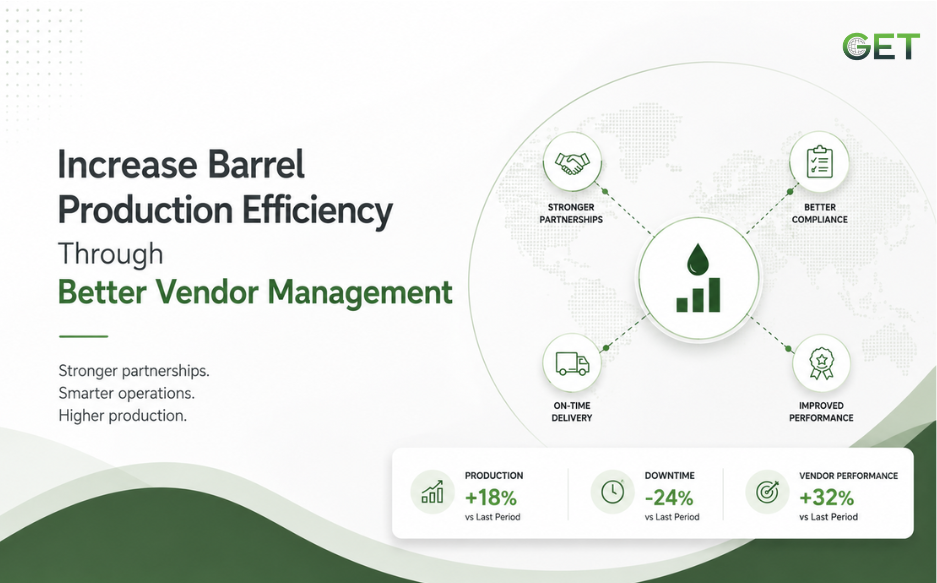
In upstream oil and gas, the margin between a profitable well and an underperforming one is rarely just a matter of geology. It comes down to execution, and execution depends heavily on the vendors, contractors, and service providers working alongside operators every single day. When equipment arrives late, when a […]
By Get global | June 10, 2026
A drilling superintendent I spoke with last year summed it up better than most. His team had just missed their annual production number. Budget wasn’t the issue. The acreage was solid. Wells had been drilled. But three reservoir engineering seats were running on skeleton cover for the better part of […]
By Get global | June 8, 2026
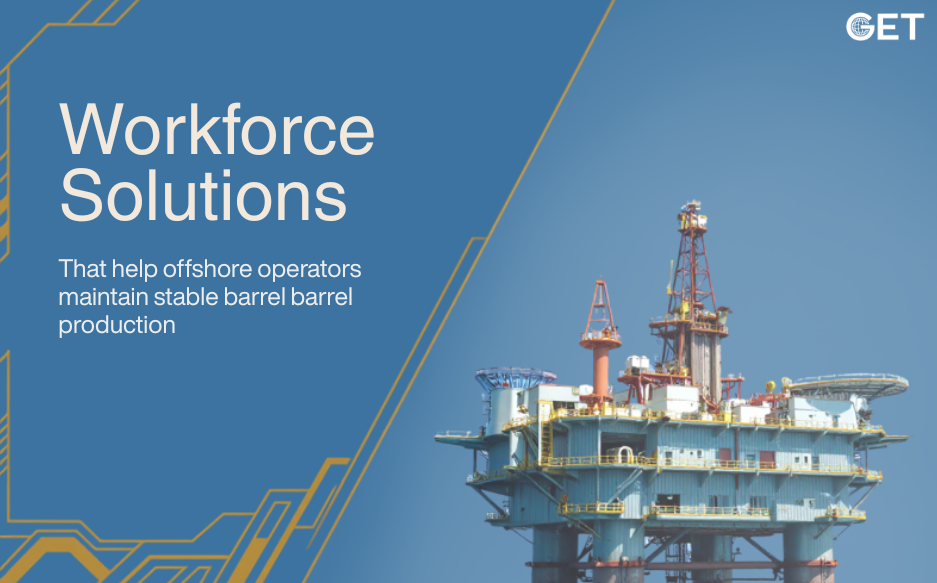
The offshore oil and gas sector has always been a high-stakes environment where margins are tight, environments are harsh, and operational downtime can cost millions of dollars per day. In today’s energy landscape, the mandate for offshore operators is clearer than ever: maintain stable barrel production while optimizing operational expenditure […]
By Get global | June 3, 2026
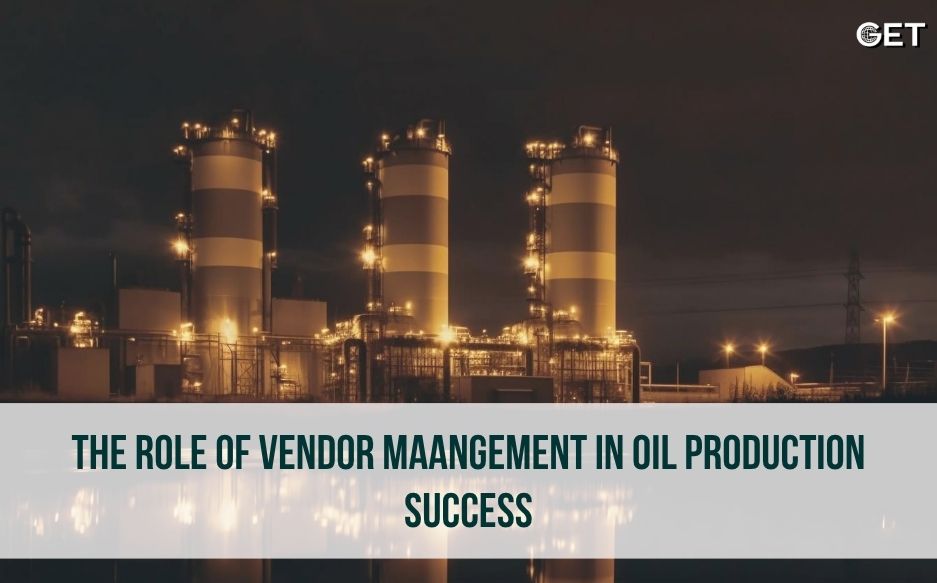
Every barrel counts. In oil and gas, even a few hours of unexpected downtime can cost companies thousands, sometimes millions of dollars. And yet, so many operators are still juggling dozens of vendors without any real system in place. It’s messy. It slows things down. And honestly, it’s holding production […]

By Get global | May 26, 2026
Oil and gas companies have always worked with data. The difference now is the scale, speed, and pressure to use it well. Live readings are sent out by a drilling rig every second. Thousands of process variables are monitored in a refinery control room. Pipelines, storage terminals, compressors, pumps, offshore […]