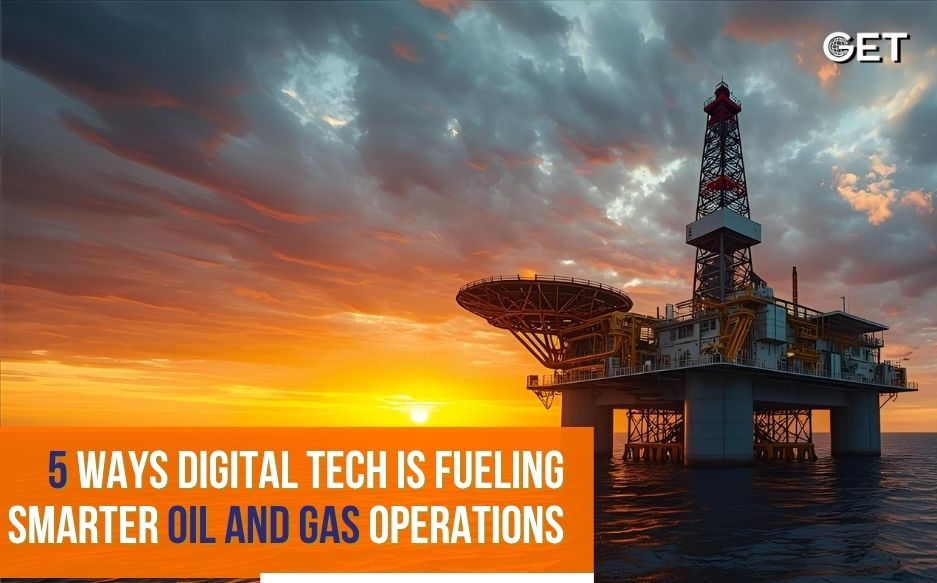
The upstream oil and gas industry is at the crossroads of digital transformation. With the increase in need to optimise the operations, enhance safety for crews, and drive efficient solutions for remote sites – the continuous need to upgrade the technology persists.
Right from exploration and production to real time data analysis and remote control over sites and crews, digital technology is fuelling the future of upstream oil and gas industry in unimaginable ways. Below are five key operations and processes where digital technology is playing a crucial role in defining the future ahead-
Imagine a human being studying hundreds of complex research papers to analyse seismic patterns, geological information and historic proofs just to find a potential reserve that might or might not yield the desired results. Now all of this can be done within seconds, with the help of Artificial Intelligence (AI) and Machine Leaning (ML) you get information related geographical footprints, analysis of seismic patterns and a quick research on historical data to identify the most potential reserve with no human error- just data backed study.
This leads to faster, cost effective and more successful drilling operations with strong digitally backed processes built on real time data analysis and insights.
Sudden downtime in upstream oil and gas industry is the most challenging part till date. Predictive Maintenance is one of the most valuable applications in the oil and gas industry. With the use of Internet of Things (IoT) sensors, one can monitor the state of their equipments in real time and predict any sort of failure, wear and tear, abnormal rise/fall in temperature and such incidents. Predictive maintenance would help in increasing cost effectiveness by analysing data from equipments like pumps, compressors, drilling rigs etc. to perform maintenance activities only when required and not on fixed schedules resulting in overall less expensive repairs.
Even an iota of change in upstream oil and gas industry can result in amplified risks. Digital twin technology helps in creating virtual replicas so one can test the scenarios, production equipment and platforms before making changes in real time. This testing module helps in increasing efficiency, making processes more effective and better decision making.
Additionally, this data set helps in making predictions, studying patterns, and improve performance by lesser cost and better resource planning.
Blockchain technology is revolutionising the upstream oil and gas industry by providing a transparent platform to manage transactions and operations throughout supply chains. Through decentralised account ledgers, blockchain ensures every transaction starting from extraction to selling the final products is accurately recorded in real time.
This helps in ensuring transparency in the process, reducing frauds, improving contract management upholding regulatory compliances. It can streamline automations and processes such as payment cycles, shipment schedules, and more.
Are you still dependent on making big decisions on the basis of limited human analysis? If yes, you might not have integrated data driven decision making in your processes which might lead to inefficient decisions, loss of manpower and machinery, unplanned downtime and no vision of what the future has in store for your reserve.
Especially in upstream oil and gas industry making use of vast amount of data collected, studying patterns, identifying trends, and making informed decisions. From equipment’s performance and production rates the decisions are led by actionable insights. Digital technology hence improves safety and enhance overall performance.
Digital technologies are now transforming the upstream oil and gas industry, the processes are getting digitally adept, safety standards are getting enhanced, profit rates are increasing. Whether it is about improving efficiency in exploration and production through AI, enhancing reliability, leveraging digital twins to test scenarios.
As these technologies continue to evolve, technology play an integral role in helping companies meet the challenges of an ever changing environment.
By Get global | July 8, 2026
The Oilfield Is Changing — From the Inside Out For most of its history, the oilfield ran on fossil fuels. Diesel generators powered remote locations. Gas turbines drove compressors. Flaring burned off associated gas that could not be captured economically. The upstream oil and gas industry was, by its nature, […]
By Get global | July 3, 2026
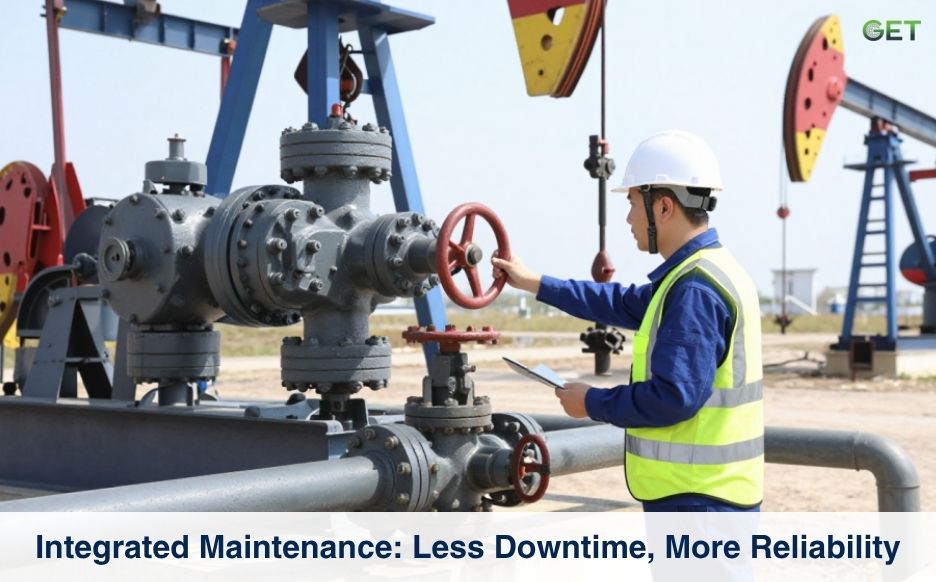
In the energy industry, uninterrupted operations are extremely important to maintain productivity, ensure safety, and control operational costs. Every planned shutdown is is scheduled carefully, but what about unplanned downtime? It can quickly derail production targets, delay ongoing projects, and increase maintenance costs. As the result, energy assets become more […]
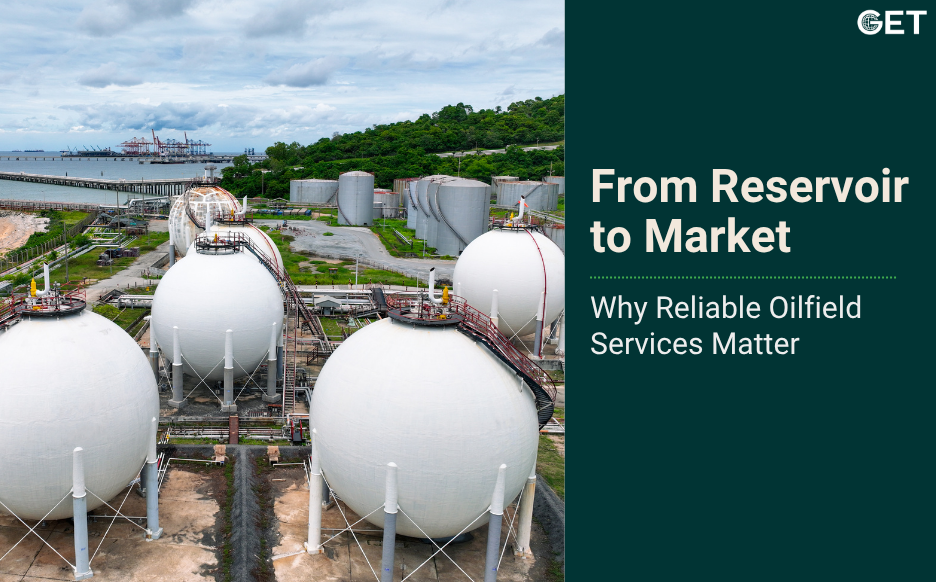
By Get global | July 3, 2026
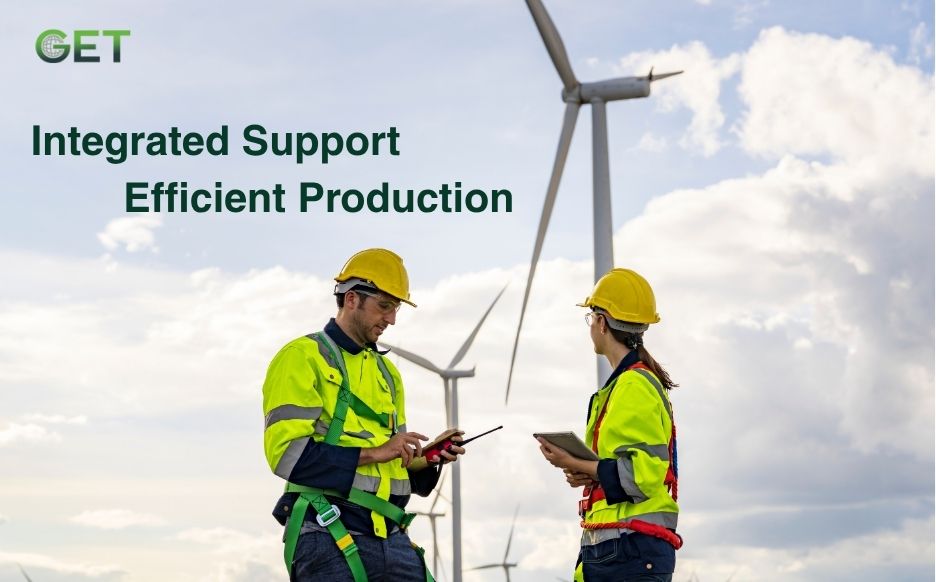
By Get global | July 2, 2026
For every upstream operator, success comes down to one shared objective: increasing production while keeping operations safe, efficient, and profitable. Yet increasing production is rarely as simple as drilling additional wells or deploying new technologies. Advanced upstream operations are highly interconnected ecosystems where workforce readiness, maintenance planning, vendor performance, logistics […]
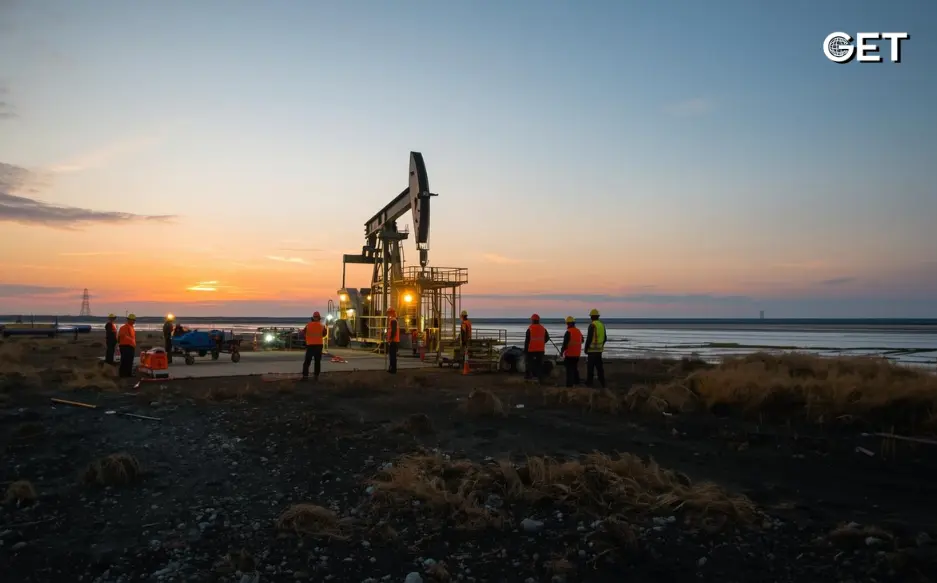
By Get global | June 30, 2026