Don’t we know by now, that the upstream oil and gas industry is no stranger to complexity?! From fluctuating market conditions and environmental issues to the requirement of precision in exploration and production, upstream operations require relentless innovation. In recent years, the growth of the industry has more and more been seen in how well it has leveraged technology.
The global demand for energy does not look like it is slowing down, and this further drives on the urgency to meet crucial sustainability challenges, operational efficiency and resource optimization.
Digitalization is the embedding of digital technologies in all aspects of business and life. In the oil and gas sector, it means using tools such as artificial intelligence (AI), machine learning, big data analytics, and the Internet of Things (IoT) to increase efficiency, optimize operations, and create new value.
It’s more than just embracing technology, but also a mindset shift, to embrace innovation in order to rethink processes, automate operations, and convert data into useful insights. It’s about transforming the conventional manner of doing business in order to remain competitive in an increasingly dynamic environment.
Growth in the oil and gas sector, by nature, is synonymous with growth in technology. The way we have utilized our resources from time to time through new industry advances has contributed to a digital revolution. Emerging equipment is transforming the safety and efficiency of the industry. Advanced methods also make the use of fossil fuels environmentally less damaging and protect workers and communities more safely.
As technology gets more and more sophisticated, we’re only going to see increasingly more of it applied across sectors. Let’s take a look at some examples where technology is already supporting oil and gas, moving us towards a greener energy future.
Let’s delve into the following ways digital transformation is elevating the oil and gas sector to the present.
Exploration and production (E&P) are being transformed digitally. High-definition seismic imaging coupled with artificial intelligence (AI) and machine learning is making identification of hydrocarbon reservoirs more rapid and accurate. These technologies are shortening the time between exploration and first oil, significantly decreasing the chance of dry wells.
Automation and robotics are taking centerstage in revolutionizing upstream operations, particularly in unfriendly or off-shore locations. From drilling systems that work autonomously to remotely operated vehicles (ROVs) for inspecting underwater locations, technology not only enhances operating efficiency but also improves safety through the reduction of human exposure to hazardous tasks.
The Internet of Things (IoT) has brought a new degree of connectivity between upstream assets. Sensors on drilling rigs, wellheads, and pipelines are providing a stream of data to centralized control systems. Real-time visibility enables predictive maintenance, optimization of operations, and quick response to impending failure.
One of the most impactful technological changes is the use of cloud computing and sophisticated data integration platforms. These platforms dissolve historical data silos, allowing geoscience, engineering, and operations teams to collaborate. The outcome is accelerated decision-making and more responsive project delivery.
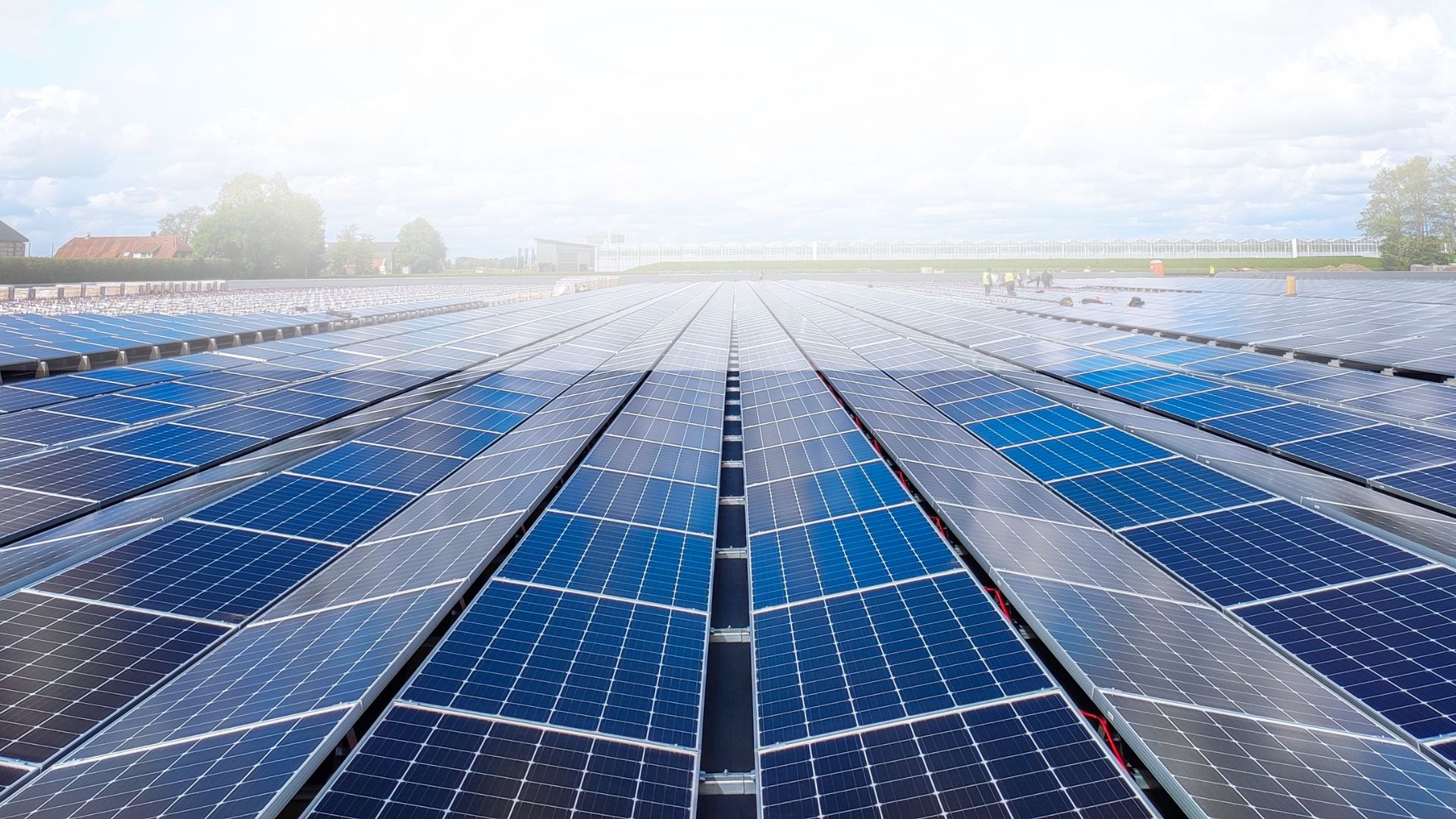
Growth today is not merely about volumes of production. It’s also about getting more out of less, and getting it sustainably. Carbon capture technology, methane leak detection, and energy-saving drilling methods are enabling companies to deliver on environmental, social, and governance (ESG) expectations while remaining profitable.
Innovative operators are making investments in technology that gets more carbon out per barrel of production, winning social license to operate and opening up new sources of growth in a carbon-constrained future.
Technology is no longer an enabling function, it’s a growth driver in the upstream oil and gas sector. From exploration and drilling to production and asset management, the deployment of high-end tools and systems is yielding real rewards: increased efficiency, reduced costs, improved safety, and more sustainable operations.
Those companies that are embracing this technological revolution are positioning themselves not just for survival but for leadership in the energy future. This is no longer about future-proofing. It’s about succeeding today.
Because in this business, growth doesn’t only happen what you dig up. It happens what you construct on top of it.
Read Also- Navigating the Global Energy Workforce
By Get global | July 16, 2026
Upstream oil and gas projects, they live and die by their supply chains honestly. Like, one delayed valve shipment or a stock-out on critical drilling consumables can slide a rig schedule back by days, and every day costs actual money. Because of that Procurement and Supply Chain Management, or PSCM, […]
By Get global | July 15, 2026
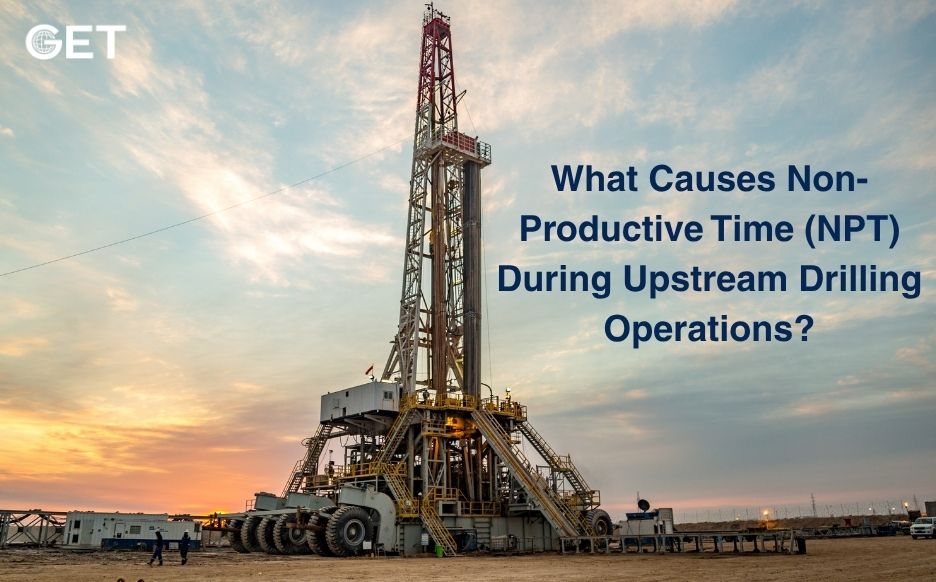
In the energy industry, every single hour really matters. Whether you’re drilling an exploratory well or rolling out a large-scale development project, how efficiently you operate can make or break your timelines, production goals, and overall profits. Unfortunately, even with meticulous planning and hefty investments in technology, unexpected delays still […]
By Get global | July 14, 2026
By Get global | July 13, 2026
By Get global | July 8, 2026
The Oilfield Is Changing — From the Inside Out For most of its history, the oilfield ran on fossil fuels. Diesel generators powered remote locations. Gas turbines drove compressors. Flaring burned off associated gas that could not be captured economically. The upstream oil and gas industry was, by its nature, […]