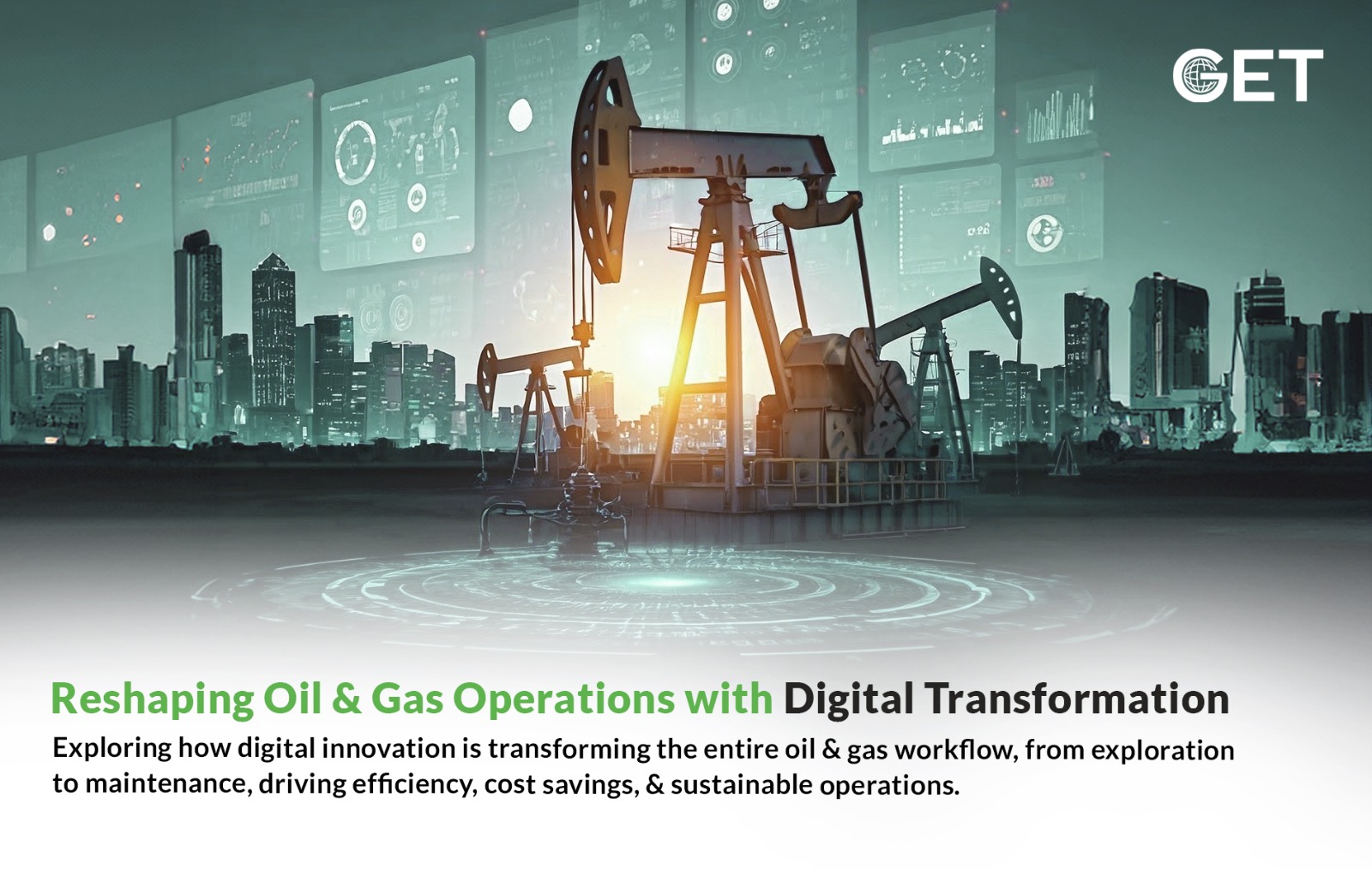
The oil and gas sector has continued to hold on to a tradition of heavy reliance on manual labor and a technological map that is currently witnessing a sea change due to the huge venture into digital technologies by the industry. This transitionary period looks not just towards the acceptance of new technologies but as a full-frills overhaul beginning from the very essence of this industry.
Digital transformation in the oil and gas industry is an amalgamation of data, together with digital technology, into different business functions that result in a broad spectrum shift toward the way in which a business operates while creating value for the customers. Transformation is a process of modifying or creating new techniques with the aid of pre-existent technology to build customer-centric models, from data analytics, the Internet of Things (IoT), AI (Artificial Intelligence), and blockchain.
Traditional maintenance practices, often dependent on reactive or time-based schedules, are being transformed into data-driven, predictive maintenance practices through digital solutions. This is a victory then because the process of that paradigm is neither the right way to go nor the most conducive route to enhancing efficiency across the board.
Upstream oil and gas operations maintenance is being revolutionized, and here is where digital technologies come into the picture-the technologies involved, the benefits they bring along, and the challenges that corporations are currently facing with the innovations.
Traditional maintenance methodologies have limitations that have comparatively limited the efficiency of oil and gas facilities in upstream maintenance being generally divided into two approaches: reactive and preventive.
Reactive maintenance is what is executed only after an asset breaks or fails, while preventive maintenance is the type that keeps coming on at regular intervals, no matter what.
Both have their respective limitations:
Such inefficiencies in the oil and gas sector, given its amazing complexity, therefore make a compelling case for considering a much refined form of maintenance. How Digital Transformation is Changing the Game The future project is all about the use of digital transformation to introduce big breakthroughs to the otherwise normal concept of maintenance by changing the digital twin, artificial intelligence, machine-learning, and the like.
These technologies provide the facility to change from reactive or preventative maintenance planning towards predictive and prescriptive maintenance planning, fostering better operational performance.
For example:
On the other hand, with respect to a pump manifesting signs of wear, prescriptive analytics will inform that the component needs to be replaced instead of replacing the whole pump; therefore, the time and money saved. This gives operational insights to maintenance teams. In that way, efficiency is ensured in terms of resource allocation, and human error against decision-making is brought considerably down.
The Role of Digital Twins – A digital twin is a virtual representation of a physical asset, like a rig, a pump, or a pipeline updated by the data flowing from IoT devices in real-time.
For the purpose of maintenance in the upstream sector, the digital twin plays a significant role in:
For instance, a digital twin of a subsea drilling operation might predict the impact of environmental conditions such as high pressures and extreme temperatures, helping the operators optimize maintenance planning.
Digitalized maintenance tools carry with them several advantages for the upstream oil and gas operations –
Despite its transformative potential, digital maintenance in the upstream oil and gas industry faces several barriers:
To overcome these challenges, companies must adopt a phased approach, starting with pilot projects and investing in workforce development to build digital expertise.
The future of maintenance in the upstream oil and gas industry lies in embracing digital transformation, and adopting predictive and prescriptive maintenance strategies, leveraging digital twins, and addressing implementation challenges.
As the industry faces increasing pressure to optimize costs, improve safety, and reduce its environmental impact, digital tools offer a way forward. Maintenance will no longer be a reactive process but a proactive strategy that drives resilience and profitability.
By harnessing the power of digital transformation, the upstream oil and gas sector is poised to revolutionize how it approaches maintenance, ensuring long-term success in an ever-changing landscape. This comprehensive shift underscores the industry’s ability to adapt and innovate, proving that digital transformation is not just an option but a necessity for the upstream oil and gas sector to thrive in the 21st century.
By Get global | September 18, 2026
By Get global | September 14, 2026
Ten years back, most HSE policies stopped at the company gate. Whatever happened past that point, subcontractors, transport, equipment vendors, was technically someone else’s problem, at least on paper. Not anymore. And the reason is blunt: trace a serious incident back far enough, and often it started somewhere in the supply chain, not […]

By Get global | September 14, 2026
Health, safety and environment in the oil and gas sector was long treated as a back-office function, running quietly alongside the core work of drilling, extraction, and processing. That is no longer the case. Extreme pressures, volatile materials, remote sites, and heavy machinery mean the risk in this industry has […]

By Get global | September 14, 2026
By Get global | September 9, 2026
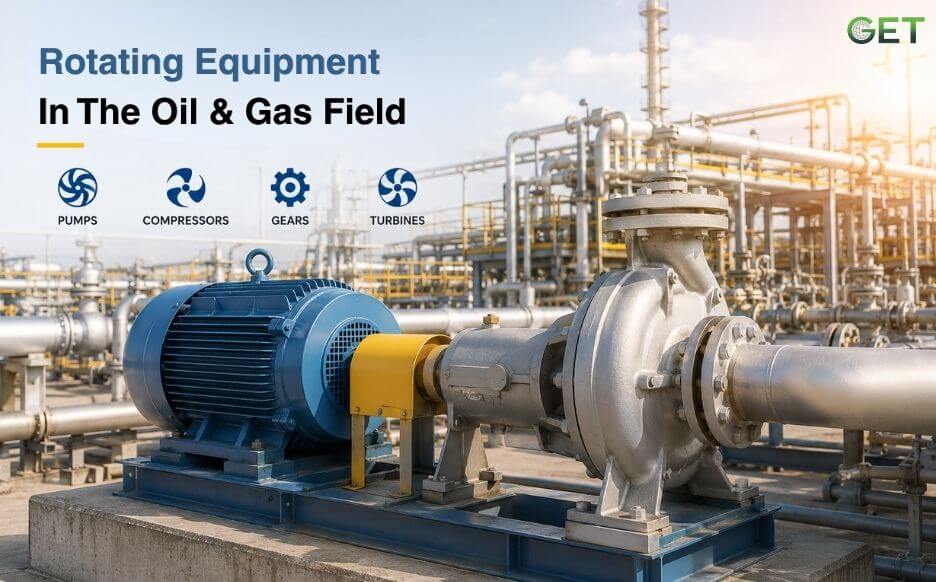
Walk onto any rig floor, production platform, or gas processing plant, and the first thing you notice isn’t the pipework – it’s the sound. That low, constant hum coming from somewhere in the facility is almost always rotating equipment doing its job. Pumps pushing fluid through miles of pipeline. Compressors […]