As the oil and gas industry moves toward 2026, the pressure is no longer coming from one direction. Markets remain volatile. Regulations are tightening. Digital expectations are rising. At the same time, demand for reliable energy has not disappeared.
What has changed is how companies respond to this complexity.
Many operators are realizing that efficiency, digital maturity, and transition planning cannot sit in separate roadmaps anymore. They are now part of the same operational conversation.
Recent McKinsey study on the energy sector suggests something fairly simple but important. Companies that began investing in digital systems and operational resilience earlier are coping better now. They are not immune to cost pressure or policy changes, but they are less reactive. In many cases, digital transformation in oil and gas is no longer framed as a special initiative. It sits quietly in the background, supporting how assets are run day to day.
That thinking shapes how this outlook approaches oil and gas trends as the industry moves toward 2026. Instead of treating technology and transition as abstract themes, it looks at how upstream oil and gas trends, AI in oil and gas, oilfield automation, and the renewable energy shift are showing up in real operations and influencing how the future of the oil and gas industry is actually taking shape.
The shift is not dramatic at first glance. Most changes are happening quietly, inside operating models and planning assumptions. But taken together, they point to a very different way of running oil and gas businesses by 2026.
In earlier cycles, resilience was something companies talked about after disruptions. In 2026, it is designed upfront.
Operators are making different choices around how projects are structured and approved.
Common shifts include:
These changes are most visible in upstream oil and gas trends, where flexibility now matters as much as scale.
Digital transformation in oil and gas has matured. The experimentation phase is largely over.
What is happening now feels quieter, but more permanent.
AI in oil and gas is being applied to practical problems that operators face every day:
The focus is not on showcasing technology. It is on reducing downtime, improving safety, and making decisions faster with better data.
Automation of oilfields is commonly talked about as a productivity measure, however, in 2026 it is also a reaction to workforce realities.
Professionals in the field are more difficult to substitute. Meanwhile, the level of safety expectations is increasing.
Automation helps address both.
Key areas seeing adoption include:
For many operators, oilfield automation is less about cutting headcount and more about keeping operations stable with fewer critical dependencies.
Read Also- Top 5 Oil & Gas Trends to Watch in 2025
The Middle East oil and gas forecast for 2026 points to a region managing two priorities at once.
Hydrocarbon investment remains strong. At the same time, national oil companies are moving aggressively into new energy segments.
This balance shows up in:
Rather than choosing between oil and transition, the region is positioning itself to lead both. The renewable energy shift here is gradual, deliberate, and tightly linked to long term national strategies.
By 2026, the renewable energy shift is no longer handled only at the strategy level.
It shows up in operational decisions such as:
This approach allows companies to lower emissions intensity without destabilizing near term cash flows.
As digital systems become central to operations, data governance becomes harder to ignore.
Operational technology, AI models, and production data now carry real business risk.
For globally distributed oil and gas companies, cybersecurity incidents are increasingly viewed as potential operational shutdowns, not just IT issues.
Beyond 2026, the future of the oil and gas industry will be biased to those companies that are well managed in terms of complexity.
Only technology will not suffice. This will not suffice to be automated. Switch commitments will not suffice.
What matters is how all of this is coordinated across regions, partners, and workforces.
As operations become more digital and more international, many oil and gas companies find that managing cross border teams, contractors, and compliance frameworks becomes a quiet but critical challenge. This is where experienced global partners step in, not to drive strategy, but to remove friction.
GET Global Group works with energy and infrastructure focused organizations to support global workforce management, compliance, and international operations. When companies enter new areas or reorganize the old, a consistent global structure means that leadership teams do not have to worry about administration at the expense of operations, change, and long-term planning.
When an industry is undergoing structural change, the firms that progress consistently are those that make what is at the back of the scene simple.
By Get global | March 18, 2026
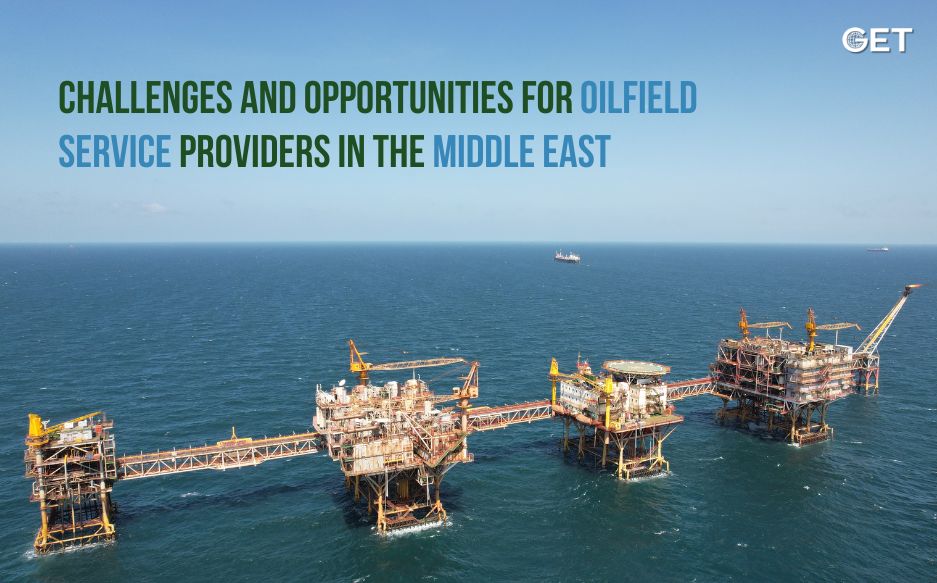
The Middle East has always been the heartbeat of the global energy industry. It holds some of the world’s largest oil and gas reserves. And for decades, it has attracted investment from every corner of the globe. But the landscape is changing. Fast. Today, oilfield service providers operating in this […]
By Get global | March 16, 2026

By Get global | March 11, 2026
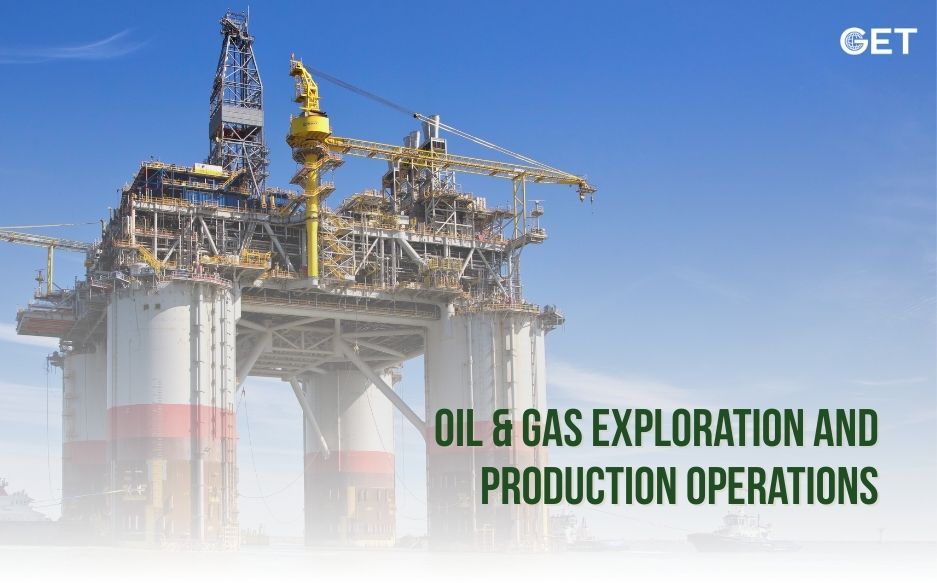
The Middle East has always been one of the key regions for the oil and gas industry with some of the largest hydrocarbon reserves in the world. Upstream exploration and production have been a major contributor to economic growth and energy development for many Middle Eastern countries. For instance, cities […]
By Get global | March 10, 2026
The Middle East operates as the core of the oil and gas industry since most energy industry developments throughout the world converge at this particular region. The region provides career opportunities which offer exceptional salary packages and thrilling work experiences throughout its Saudi Arabian deserts and Abu Dhabi urban centers […]
By Get global | March 6, 2026