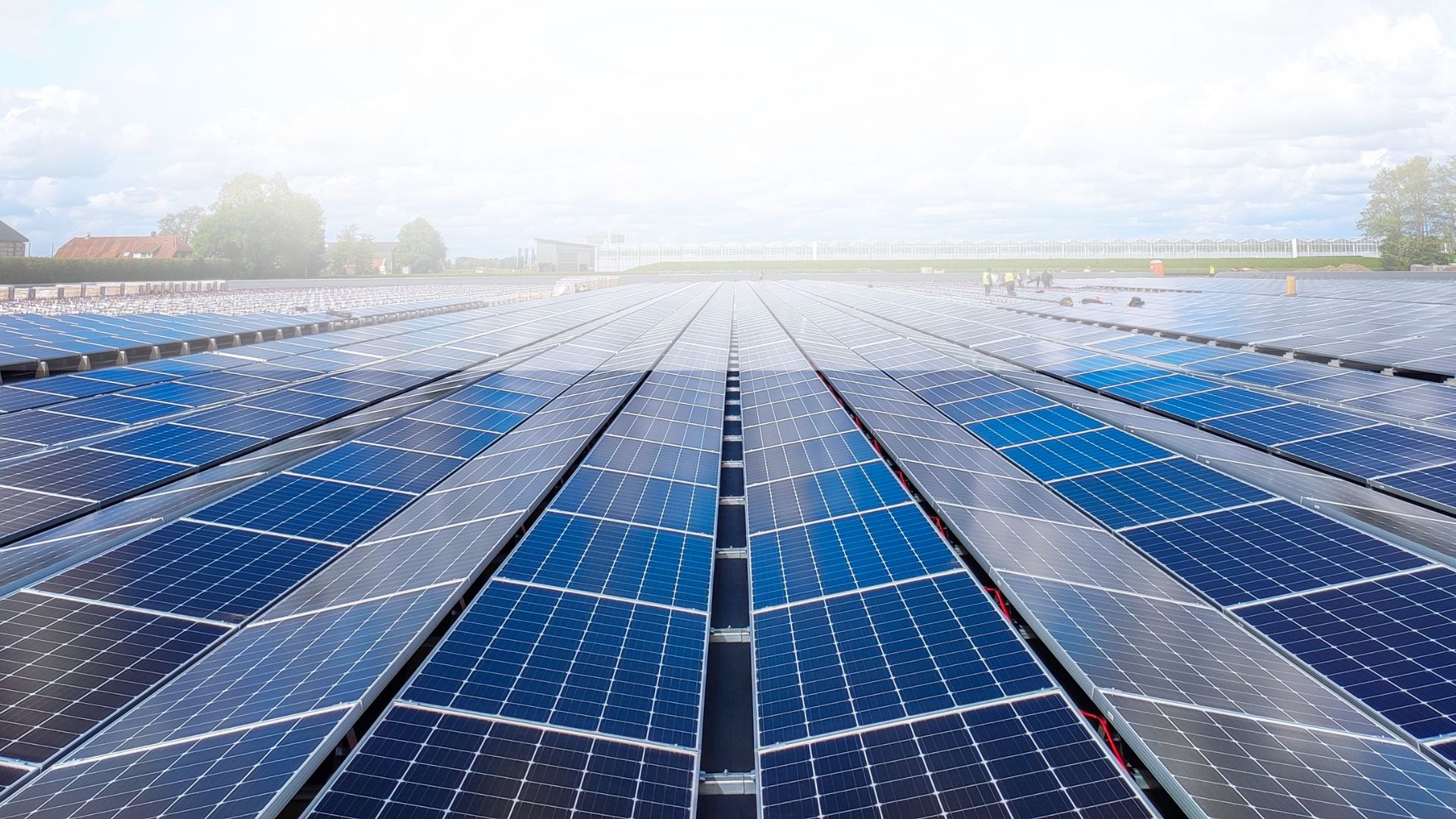
Energy projects rarely fail because of one big mistake. They fail because of many small ones that compound over time.
A piece of equipment arrives late. A crew is not in place when it needs to be. A maintenance issue goes unaddressed because no one took ownership. A procurement decision made in isolation creates a bottleneck three months down the line.
These are not unusual problems. They happen on projects across the upstream oil and gas industry every day. And most of the time, the root cause is the same: the different functions of a project — procurement, crew deployment, maintenance, logistics — are managed separately, by different teams, without a shared plan.
That is the problem Integrated Project Delivery (IPD) is designed to solve. And in energy, it is proving to be one of the most effective ways to improve how projects actually perform.

Integrated Project Delivery is a project management approach that brings together all the key functions of a project — people, materials, maintenance, and logistics — under a single, coordinated framework.
Instead of managing each function in isolation, IPD creates one connected system. Everyone is working from the same plan. Decisions get made with full visibility of how they affect the other parts of the project. Risk is shared. Accountability is clear.
In the context of the upstream oil and gas industry, IPD typically combines three core components: expertise-based services (skilled crews and technical consultants), Procurement And Supply Chain Management (sourcing, inventory, warehousing, logistics), and integrated maintenance solutions (planned and reactive maintenance of equipment and facilities).
When these three things work together under one delivery model, projects run better. Not marginally better. Measurably, consistently better.
The energy industry is not getting simpler. Projects are moving into more remote locations. Regulatory requirements are tightening. Equipment is becoming more complex. And the pressure to deliver on time and within budget has never been higher.
Traditional project management was built for a different era. Work was divided into phases. Each vendor handled their piece. The client managed the interfaces between them. When something went wrong, everyone pointed at someone else.
That model does not work well anymore. Not in deep-water drilling. Not in remote desert completions. Not in multi-well campaigns that involve dozens of vendors, hundreds of crew members, and equipment sourced from multiple continents.
The companies that are getting upstream energy projects right are the ones that have moved away from fragmented delivery. They are using integrated models where Procurement And Supply Chain Management, technical expertise, and maintenance are treated as a single system — not as three separate contracts.
This shift is not just a preference. It is a practical response to how expensive and complex modern energy projects have become. The margin for error is too small to keep managing things in pieces. Many of the most successful outsourcing strategies in upstream oil and gas have moved in exactly this direction — toward integration rather than fragmentation.
Read Also- Top Certifications for Upstream Oil & Gas Professionals in 2026
A well-structured IPD model in oil and gas is built on three pillars. Each one is essential. And each one becomes significantly more powerful when it is connected to the other two.
Every upstream project needs skilled people. Drilling engineers, wireline operators, wellsite geologists, HSE supervisors, base personnel — the list is long and the requirements are specific.
In a traditional model, crews are sourced separately for each project phase. That creates gaps. A crew arrives before the equipment. Equipment arrives before the site is ready. Schedules slip before the first well is even spudded.
In an IPD model, crew deployment is planned alongside procurement and maintenance from day one. The right people are in place at the right time because their schedule is aligned with the full project plan — not just their individual contract. Understanding the full scope of expertise-based services available in upstream operations helps project teams build this plan with the right resource mix from the start.
Materials, equipment, spares, consumables — none of a project’s technical work happens without the right supplies in the right place at the right time. Procurement And Supply Chain Management is what makes that possible.
In isolation, procurement often reacts to project needs rather than anticipating them. In an IPD model, procurement is involved from the planning stage. Vendor selection, inventory levels, and logistics timelines are all designed around the project schedule — not fitted around it after the fact.
The result is fewer emergency orders, fewer delays, and significantly lower logistics costs. When procurement and supply chain are properly integrated into project delivery, the entire project runs with less friction. Teams dealing with common supply chain bottlenecks in upstream operations often find that integration — not just better vendors — is what resolves them for good.
Equipment failure on an active drilling or production project is not just an inconvenience. It is an expensive, sometimes dangerous event that can set a project back by days or weeks.
Maintenance is often the last thing to be planned and the first thing to be reactive. In a traditional model, maintenance is called when something breaks. In an IPD model, maintenance is planned around equipment usage cycles, identified risks, and operational schedules — before anything goes wrong.
This planned approach dramatically reduces non-productive time (NPT). It extends equipment life. And it keeps operations running within HSE guidelines. Connecting maintenance planning to the broader project delivery cycle is one of the most overlooked ways to improve project outcomes in the upstream oil and gas industry.
The financial case for IPD is straightforward. But the mechanics behind it are worth understanding.
Cost overruns on upstream energy projects almost always trace back to the same causes. Late material deliveries. Unplanned crew mobilizations. Equipment failures that were not anticipated. Change orders that cascade through the project because no one had the full picture.
IPD addresses each of these at the root — not by managing the symptoms after they appear, but by removing the structural gaps that cause them.
In IPD, procurement, crew planning, and maintenance scheduling begin at the same time — during the initial project design phase. This means conflicts and gaps are identified before they become expensive problems on site.
When one partner delivers crew, procurement, and maintenance under the same contract, everyone is accountable for the same outcomes. There is no one to blame when a delay occurs. There is only the shared goal of getting the project back on track.
NPT is one of the biggest cost drivers in upstream oil and gas. IPD reduces it by keeping all project functions aligned. When a rig is ready, the crew is there. When the crew is there, the spares are in stock. When something needs maintenance, it is already scheduled.
Change orders typically multiply when vendors operate independently. Each one sees only their slice of the project. IPD reduces scope disputes because all functions are working from a shared plan with shared visibility. Understanding how to structure turnkey solutions that actually work in oil and gas is a good starting point for teams evaluating the IPD model.
Because all project functions are under one integrated framework, decisions can be made quickly and with full information. If a supplier delivers late, the crew schedule adjusts. If a maintenance issue arises, procurement responds with the right spares. The system is self-correcting.
Of the three pillars of IPD, Procurement And Supply Chain Management is the one that touches everything else. Crew deployment depends on it. Maintenance depends on it. Project schedules are only as reliable as the supply chain behind them.
In a traditional project model, procurement is reactive. Someone on site realizes a part is missing, raises a purchase order, and waits. That wait — even if it is just a few days — can idle an entire rig crew and push a project off its critical path.
In an IPD model, procurement is proactive. Materials are forecasted based on the project schedule. Stock levels are set before the project kicks off. Vendor relationships are established in advance. Logistics routes are planned. The supply chain is not responding to the project — it is part of the project.
This is why the most effective procurement and supply chain services in the energy sector are designed to be embedded in the project from the start — not bolted on after scope and schedule have been fixed.
When procurement is integrated, you get better pricing through advance planning. You get better availability through accurate forecasting. And you get better overall project performance because materials are never the reason a project slips.
IPD does not require a complete overhaul of your project management approach overnight. But it does require a change in thinking — from managing functions separately to designing them to work together.
Here is what that looks like in practice.
Start with shared objectives. Before any project kicks off, all functions — crew deployment, procurement, maintenance — should align on the same schedule, the same budget targets, and the same risk tolerance. This sounds obvious. In practice, it rarely happens unless it is built into the process.
Choose partners who can deliver across functions. IPD only works if your delivery partners can actually integrate with each other. Working with a single partner who covers crew, procurement, and maintenance under one model is simpler and more effective than managing three separate vendors and trying to force alignment between them.
Use technology to maintain shared visibility. Real-time dashboards, shared inventory systems, and digital project trackers make it possible for all functions to stay aligned without constant manual coordination. The investment in these tools pays back quickly in reduced NPT and fewer communication failures.
Build in structured review points. IPD projects should have regular cross-functional reviews — not just progress updates, but genuine assessments of how the integrated plan is holding together. Are procurement timelines still aligned with crew schedules? Has a maintenance forecast changed in a way that affects materials planning? These conversations surface problems early, when they are still cheap to fix.
Measure performance holistically. In a traditional model, each vendor reports on their own performance. In IPD, the measure of success is project performance — cost, schedule, safety, and quality — not vendor-level metrics in isolation. This shared measurement is what creates shared accountability.
The upstream oil and gas industry has spent decades managing projects in pieces. Different vendors. Different contracts. Different priorities. And the results — cost overruns, schedule slippage, and operational inefficiency — have been remarkably consistent.
Integrated Project Delivery is a direct response to that pattern. By aligning crew deployment, Procurement And Supply Chain Management, and maintenance planning under a single coordinated framework, IPD eliminates the structural gaps where most project failures originate.
It is not a theoretical model. It works in practice. It reduces NPT, lowers costs, improves schedule reliability, and gives project teams the shared visibility they need to make fast, informed decisions.
If your projects are still being managed in silos — if procurement is responding to project needs instead of anticipating them, if maintenance is reactive rather than planned, if crew scheduling is happening independently of materials planning — then you already know what the problem is. IPD is how you fix it.
The companies delivering the best project outcomes in energy right now are not the ones with the best individual vendors. They are the ones who figured out how to make all the pieces work together. That is what integration delivers.
Also Read: Importance of global expansion for Oil & Gas Companies

By Get global | September 30, 2026
By Get global | September 28, 2026
By Get global | September 28, 2026
By Get global | September 28, 2026
Technology has touched every corner of modern oil and gas operations—from upstream exploration and drilling to midstream pipelines, downstream facilities, maintenance, and performance monitoring. One area where digital transformation delivers exceptional value is HSE (Health, Safety and Environment), a core priority for GET Global Group and the wider energy industry. […]

By Get global | September 22, 2026