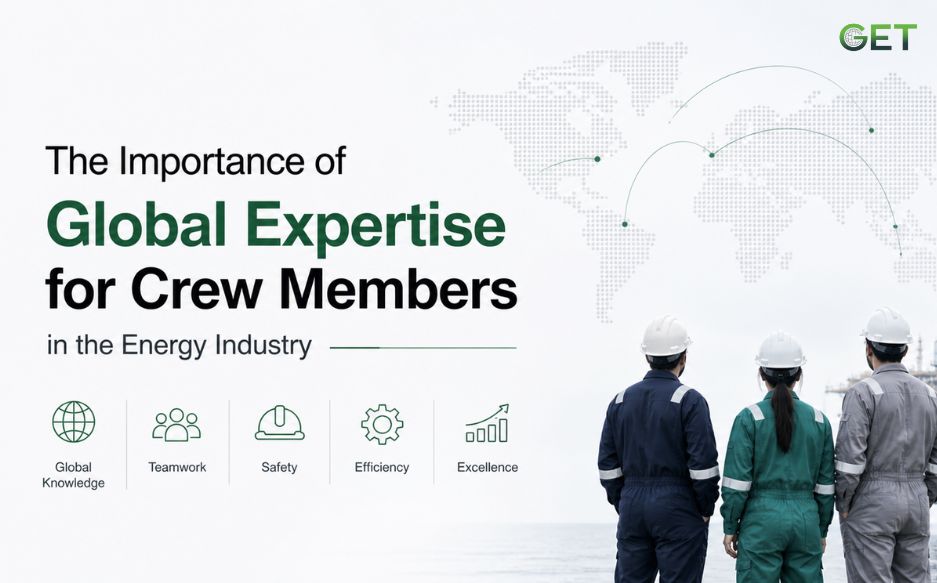
In the dynamic and ever-evolving world of the energy industry, crew members in the upstream oil and gas sector find themselves at the forefront of a complex and globalized landscape. The importance of possessing global know-how cannot be overstated, as it plays a pivotal role in ensuring the success, safety, and efficiency of operations in this critical sector. This blog examines the significance of global know-how for crew members in the upstream oil and gas industry, emphasizing the unique challenges they face and the skills required to navigate these challenges successfully.
Before we examine the importance of global know-how, it’s essential to understand the nature of the upstream oil and gas sector. This segment of the industry involves exploration and extraction activities, where energy companies search for and extract crude oil and natural gas from beneath the Earth’s surface. These operations are inherently complex, requiring advanced technologies, skilled personnel, and a deep understanding of geology, engineering, and environmental considerations.
The upstream oil and gas industry is inherently global, with operations spanning across continents and oceans. Exploration and extraction activities are not confined to a single geographical region; rather, they occur in diverse and often challenging environments, including deep-sea drilling, arctic exploration, and remote desert locations. As a result, crew members in the upstream sector must possess a broad set of skills and knowledge to adapt to the unique challenges presented by different global regions.
Operating in diverse and challenging environments poses a myriad of challenges for upstream oil and gas crew members. These challenges include varying regulatory frameworks, environmental considerations, cultural differences, and geopolitical complexities. Understanding and navigating these challenges require a level of global know-how that goes beyond technical expertise in drilling and extraction processes. Crew members must be well-versed in international laws and regulations, environmental stewardship, and effective communication strategies across diverse cultures.
Safety is a paramount concern in the upstream oil and gas industry. The nature of the operations involves working with heavy machinery, volatile substances, and in extreme environmental conditions. Global know-how is crucial in ensuring that crew members are aware of and compliant with international safety standards and regulations. This includes understanding the specific risks associated with different geographical locations and implementing effective risk mitigation strategies. A crew member with global know-how is better equipped to anticipate, prevent, and respond to potential safety hazards, thereby fostering a safer working environment for everyone involved.
As the world grapples with the impacts of climate change, environmental considerations have become increasingly important in the energy sector. Upstream oil and gas operations can have significant environmental implications, from the risk of oil spills to the impact on local ecosystems. Crew members need to be well-versed in international environmental standards and practices to ensure responsible and sustainable operations. Global know-how empowers crew members to adapt their practices to comply with diverse environmental regulations and to engage with local communities in a way that minimizes the ecological footprint of their activities.
The global nature of upstream operations necessitates effective communication and cultural competence among crew members. Misunderstandings due to cultural differences can lead to inefficiencies, conflicts, and even safety hazards. Crew members with global know-how understand the importance of effective communication in diverse settings. They can adapt their communication styles, understand cultural nuances, and build strong relationships with colleagues, contractors, and local communities. This not only enhances the efficiency of operations but also contributes to the overall success and reputation of the energy company.
Upstream oil and gas operations often take place in regions with complex geopolitical dynamics. Political instability, territorial disputes, and changing regulatory landscapes can significantly impact the success of energy projects. Crew members with global know-how are better equipped to navigate these geopolitical challenges. They can anticipate potential risks, adapt to shifting political landscapes, and engage with local authorities in a way that fosters positive relationships. This geopolitical acumen is a valuable asset in ensuring the long-term viability and success of upstream projects.
The energy industry is constantly evolving, with rapid advancements in technology driving innovation. Crew members with global know-how are not only well-versed in the latest technological developments but also understand how to integrate these innovations into their operations seamlessly. This includes leveraging digital technologies for data analytics, predictive maintenance, and remote monitoring to enhance efficiency and reduce downtime. A globally knowledgeable crew can identify and implement technological solutions that align with international best practices and standards.
In the complex and interconnected world of upstream oil and gas, the importance of global know-how for crew members cannot be overstated. Navigating the seas of success in this industry requires a comprehensive understanding of international regulations, cultural dynamics, environmental considerations, and geopolitical complexities. Crew members equipped with global know-how are better prepared to tackle the unique challenges presented by diverse and often remote operational environments.
Read Also- The Oil & Gas Skills Every Worker Will Need in the Next 5 Years