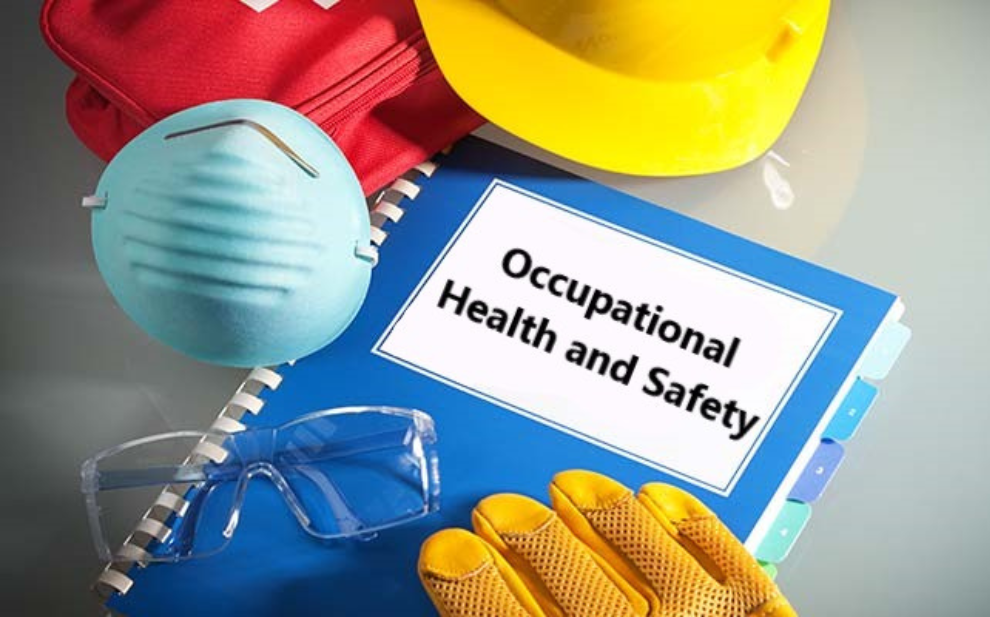
Every worker deserves to go home safe. That’s the simple idea behind Occupational Health and Safety, and yet, across industries like oil and gas, construction, manufacturing, and mining, workplace injuries and illnesses remain a serious and costly reality. Occupational health and safety requirements exist to change that. They set the foundation for identifying risks, protecting workers, and building environments where safety isn’t an afterthought it’s a priority. Whether you’re a safety officer, an HR professional, or someone stepping into a high-risk industry for the first time, understanding OHS requirements isn’t just useful. In many countries, it’s a legal obligation.
Occupational Health and Safety commonly referred to as OHS or OSH — is a discipline focused on identifying, assessing, and controlling risks that arise in the workplace. Its goal is straightforward: prevent work-related injuries, illnesses, and fatalities.
But OHS goes beyond hard hats and safety signs. It covers physical, mental, and environmental health. It includes how shift patterns are designed, how stress is managed, how chemicals are stored, and how emergencies are handled.
The core objectives of OHS in any workplace are:
In industries like upstream oil and gas or heavy construction, where hazards are constant and consequences of failure are severe, a strong OHS framework isn’t optional. It’s the difference between a functioning operation and a catastrophe.
This is where everything starts. Before any work begins — whether it’s drilling a well, operating heavy machinery, or working at height — hazards must be identified and assessed.
A proper risk assessment looks at:
Risk assessments aren’t a one-time exercise. They need to be reviewed regularly, especially after incidents, process changes, or the introduction of new equipment. In high-risk industries, dynamic risk assessments done in real time on the job are equally important.
Every organisation needs a clear, written safety policy. This isn’t just bureaucracy it signals to every employee that leadership takes safety seriously.
Safety procedures translate policy into action. They define how specific tasks should be performed safely, what steps to follow, and what to do when something goes wrong. Standard Operating Procedures (SOPs), Method Statements, and Job Safety Analyses (JSAs) all fall into this category.
The key is that these documents are actually used not just filed away and forgotten.
You can have the best policies in the world. If workers don’t understand them, they’re useless.
Training is a non-negotiable OHS requirement. It should cover:
Training needs to be regular, role-specific, and — critically — delivered in a way that people can actually absorb. A two-hour induction on day one isn’t enough. Ongoing toolbox talks, refresher training, and skills assessments matter just as much.
PPE is the last line of defence — not the first. But it remains an essential employee safety measure across virtually every industry.
Helmets, gloves, high-visibility clothing, respirators, safety boots, hearing protection, eye protection — the right PPE depends entirely on the hazard. The OHS requirement here isn’t just to provide PPE. It’s to:
Workers who understand why they’re wearing PPE not just that they have to are far more likely to use it correctly.
What happens when something goes wrong despite all precautions? That’s where emergency preparedness comes in.
OHS requirements in this area include:
In offshore oil and gas environments, emergency preparedness takes on even greater complexity involving helicopter evacuation procedures, muster drills, and survival training. The standard here is high, and rightly so.
Workplace health isn’t always visible. Some hazards — noise, chemical exposure, ergonomic strain cause harm slowly, over years. Health monitoring helps catch problems before they become permanent.
Industrial safety requirements typically include:
Reporting culture matters here. If workers fear blame for reporting incidents, they won’t report them. And unreported near misses become future accidents.
Read Also- How to Manage an Oil & Gas Supply Chain When Costs Keep Changing
Occupational health and safety is governed by law in virtually every country. While the specifics vary by region, the underlying principles are broadly consistent.
Key global frameworks and standards include:
Compliance isn’t just about avoiding fines. Non-compliance leads to accidents, project shutdowns, reputational damage, and — most importantly people getting hurt. That’s a cost no organisation can afford to absorb.
Workplace safety is a shared responsibility. Everyone has a role.
When these three groups work together — and when leadership visibly supports safety — the results are measurable. Incident rates fall. Compliance improves. Workers feel valued.
Even with the best intentions, implementing OHS effectively is rarely straightforward.
Lack of Awareness- In some organisations, particularly SMEs and emerging market operators, workers and even managers have a limited understanding of OHS requirements. What they don’t know, they can’t follow.
Budget Constraints– Safety investment sometimes competes with operational costs, especially during periods of low commodity prices. Short-term savings on safety training or equipment often result in much higher long-term costs.
Poor Compliance– Policies exist but aren’t enforced. PPE is available but not worn. Procedures are written but not followed. Compliance gaps are often a cultural problem, not just a knowledge problem.
Human Error– Even well-trained, experienced workers make mistakes — especially under fatigue, time pressure, or distraction. OHS systems need to account for human fallibility, not just assume perfect behaviour.
Technology is changing what’s possible in workplace safety and changing it fast.
Safety Management Software– Digital platforms allow companies to manage risk assessments, incident reports, audits, training records, and permit-to-work systems in one place. No more paper trails. No more lost records. Everything is searchable, auditable, and accessible in real time.
Wearable Safety Devices Smart wearables from gas detection badges to fatigue-monitoring headbands are increasingly common in high-risk environments. They track worker exposure, alert supervisors to hazards, and in some cases, automatically trigger emergency responses.
AI and Automation in Risk Detection- AI-powered camera systems can detect unsafe behaviours a worker without a helmet, someone entering a restricted zone — and flag them instantly. Predictive analytics tools analyse historical incident data to identify patterns and anticipate where the next problem might occur.
These tools don’t replace human judgment. But they extend what safety teams can monitor, track, and respond to especially in large, complex operations.
Getting OHS right requires more than ticking boxes. Here’s what genuinely effective organisations do differently:
What are the main requirements of occupational health and safety?
The core OHS requirements include risk assessment and hazard identification, written safety policies and procedures, employee training, provision and use of PPE, emergency preparedness planning, and health monitoring. Together, these form the foundation of any effective workplace safety system.
Why is OHS important in the workplace?
OHS protects workers from injury, illness, and death. It also reduces operational costs associated with accidents, ensures legal compliance, improves productivity, and builds a workplace culture where people feel safe and valued.
What are examples of occupational safety measures?
Common safety measures include conducting risk assessments before work begins, providing role-appropriate PPE, running regular emergency drills, implementing permit-to-work systems for high-risk tasks, and using safety management software to track incidents and compliance.
Who is responsible for workplace safety?
Workplace safety is a shared responsibility. Employers are legally required to provide a safe environment and adequate resources. Employees must follow procedures and report hazards. Safety officers coordinate the OHS system and act as the link between workers and management.
What is ISO 45001 and why does it matter?
ISO 45001 is the international standard for occupational health and safety management systems. It provides a structured framework for identifying risks, improving safety performance, and demonstrating compliance. Organisations that achieve certification signal a serious, systematic commitment to worker safety.
Occupational health and safety requirements aren’t red tape. They’re the practical framework that keeps workers safe, businesses compliant, and operations running. The fundamentals — risk assessment, training, PPE, emergency planning, and health monitoring haven’t changed. But the tools available to deliver them have evolved significantly. The organisations that take OHS seriously, invest in their people, and use technology wisely aren’t just meeting a legal requirement. They’re building workplaces where people genuinely want to show up — and come home from safely, every single day.
Read Also- The Oil & Gas Skills Every Worker Will Need in the Next 5 Years
By Get global | October 12, 2026

By Get global | October 9, 2026
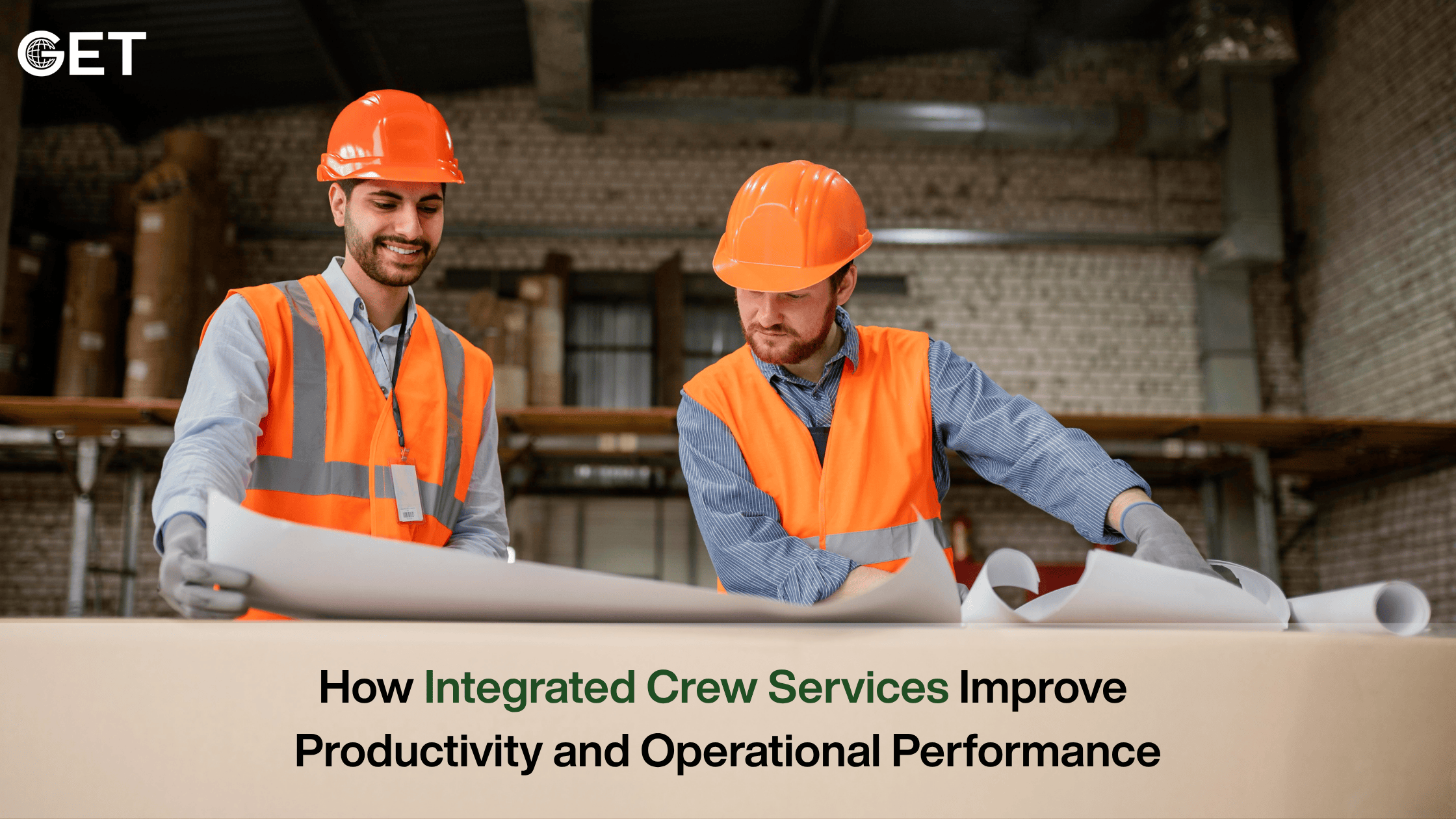
Ask any person working night shifts in rigs and compressor stations what holds the industry back, and you will seldom hear anything about geology. Disconnected information, delayed decision-making, and machinery breaking down at the wrong moment – all these factors are more common causes of productivity losses in the industry. […]
By Get global | October 5, 2026
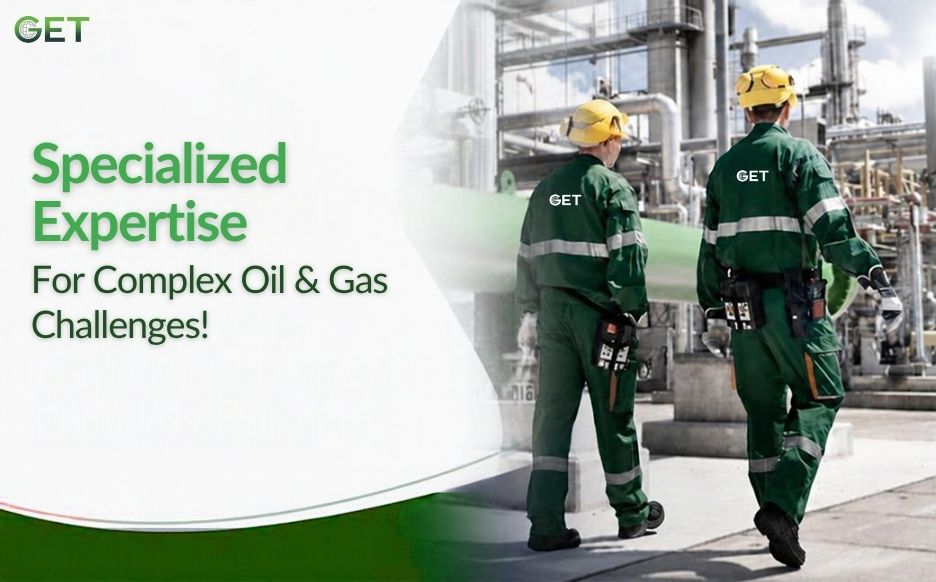
Specialized expertise turns a hard project in the oil and gas industry into a workable one. Every oilfield has its own geology, risks, and surprises. The teams that handle them the operations on field have usually met something similar before. In the modern world, upstream oil and gas companies are […]
By Get global | September 30, 2026
By Get global | September 28, 2026