When the future of energy comes up, the talk usually jumps to wind farms, solar parks, and electric cars. Fair enough—those grab the headlines. But something often gets skipped: oil and gas companies still keep a huge part of the world running. Without them, the so-called transition won’t move anywhere near fast enough.
Look at upstream oil and gas. These companies have the money, the rigs, the engineers, and the global reach. The very same muscle that built the fossil-fuel era could help build a lower-carbon one. The real question is simple: do they want to drive the shift, or just drag along behind it?
Keeping the Lights On While Shifting the System
Like it or not, the world still needs oil and gas. Planes, ships, heavy industries—none of them flip overnight to clean energy. That’s just reality.
But that can’t be the excuse for stalling either. Companies in this sector are in a position to do both: keep energy flowing today and build cleaner systems for tomorrow. Holding that “two-track” mindset is tough, but if any industry can juggle complexity, it’s this one.
From Drilling Rigs to Wind Turbines
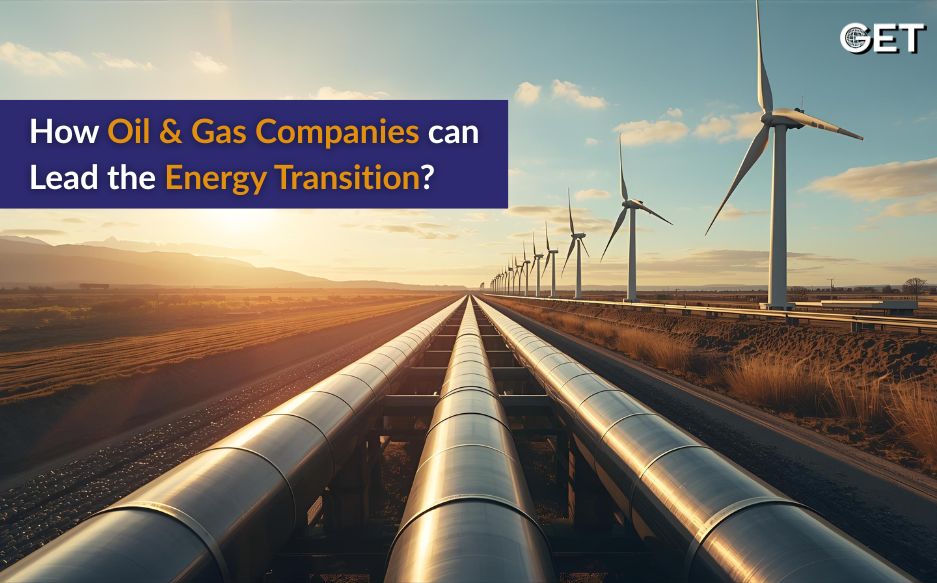
Here’s the part people don’t always notice. The same offshore know-how used to drill for oil works almost the same for offshore wind farms. Lifting cranes, seabed foundations, laying cables—half of it overlaps.
Some players figured this out early. Equinor, for example, used decades of offshore expertise to jump into wind, and that move gave them a serious head start. More upstream oil and gas operators could be doing exactly that.
Cleaning Up Their Own Operations
Before chasing green headlines, there’s housework to do. Oilfields still leak methane, flare gas, and run on wasteful energy. Tackling that comes first.
It doesn’t take new inventions. Carbon capture, leak detection, simple energy efficiency—all are doable. The credibility test for this industry starts right at home, not in glossy ads.
Partnerships That Actually Work
Energy has never been just technical. It’s political and social too. Governments want secure supply. Communities want jobs and trust. Oil and gas companies know this—they’ve been working in tricky places for decades.
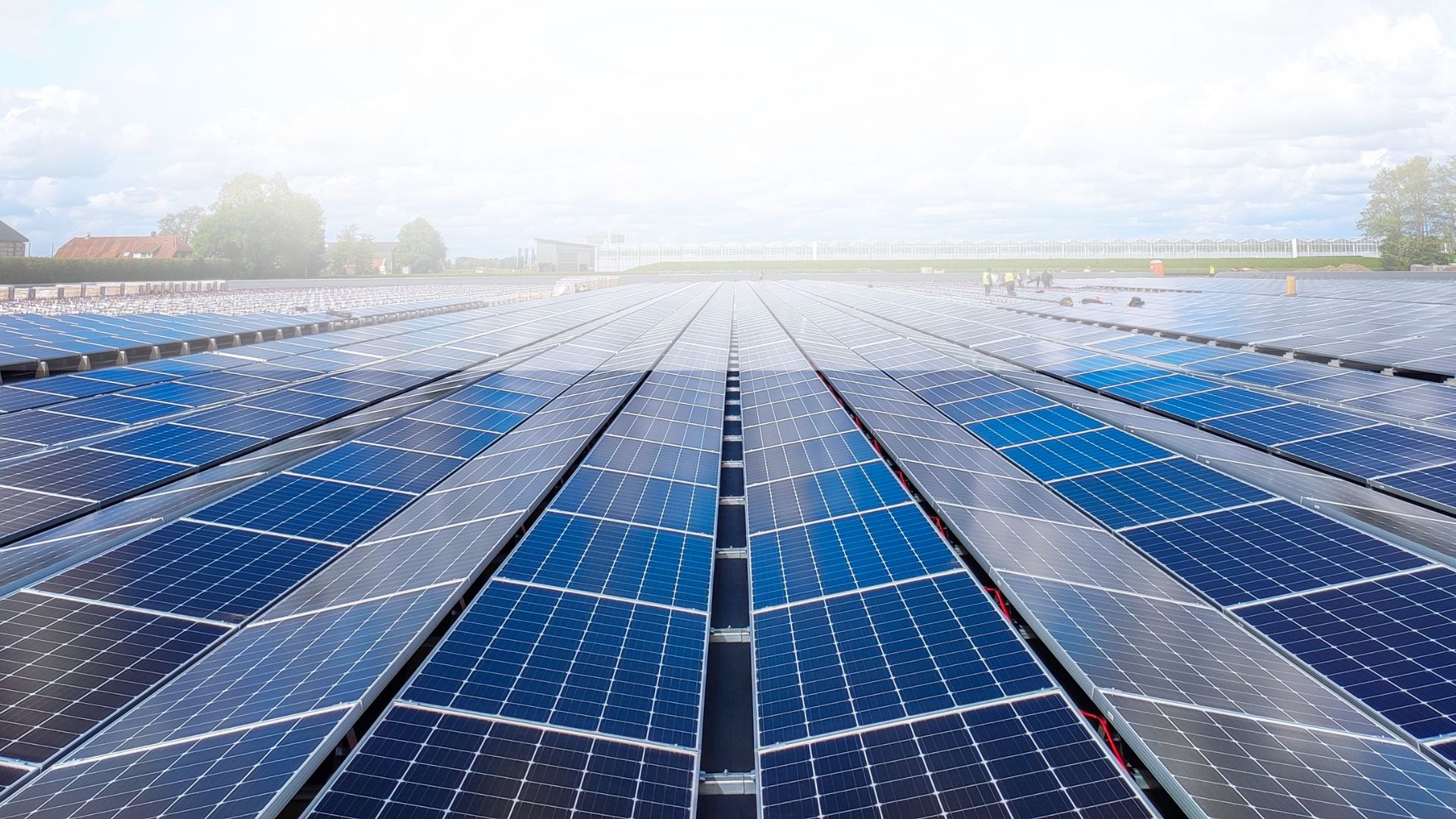
Imagine this: a remote oilfield where solar panels sit next to traditional generators. The site cuts costs and emissions, while nearby communities get access to steady, cleaner power. Small, visible wins like that change how people see the whole industry.
Innovation Isn’t Just Buzz
Conferences in the energy sector these days are full of buzzwords—AI, digital twins, blockchain. Some hype, yes, but not all.
Take digital twins. They let operators predict failures and cut downtime. That means less wasted fuel, less wasted money. These same tools already exist in upstream oil and gas; applying them to hybrid projects is the obvious next step.
Read Also- Algeria’s Gas Ambitions: Meeting Europe’s Energy Demands
Substance Over Slogans
Big rebrands are happening—BP, Shell, TotalEnergies, and others now call themselves “energy companies.” But the name only matters if the portfolio follows.
Diversifying into gas, solar, wind, hydrogen, and storage is more than branding—it’s survival. Investors and stakeholders can see through slogans. Real projects tell the story better than any tagline.
The Workforce Piece
One area that gets overlooked is people. Engineers, geologists, project managers—most of their skills carry over into renewables.
The challenge isn’t ability. It’s retraining. Companies that put money into reskilling will keep decades of experience in the sector while preparing their teams for what’s next. That’s leadership in action.
Proof Over Promises
These days, everyone’s watching. Regulators, investors, even citizens expect numbers, not just claims. Emissions cut, flaring reduced, efficiency gains—these need to be reported clearly.
The firms that publish hard data and show real progress will earn trust. The ones that stick to vague sustainability language will lose it. Accountability is the only long-term strategy that works.
The energy transition is complicated, and no single group can solve it. But ignoring oil and gas isn’t realistic either. The sector is too big, too skilled, too tied into the global system.
If upstream oil and gas companies cut emissions in their own operations, invest in renewables, train their people, and work with governments, the story flips. The same industry once seen as the climate problem could help drive the solution.
And maybe years from now, when people look back at how the energy sector shifted, the surprise will be this: oil and gas didn’t fight change. They led it.
Read Also- Oil and Gas Courses: Top Key Skills for Career Growth
By Get global | September 28, 2026
By Get global | September 28, 2026
By Get global | September 28, 2026
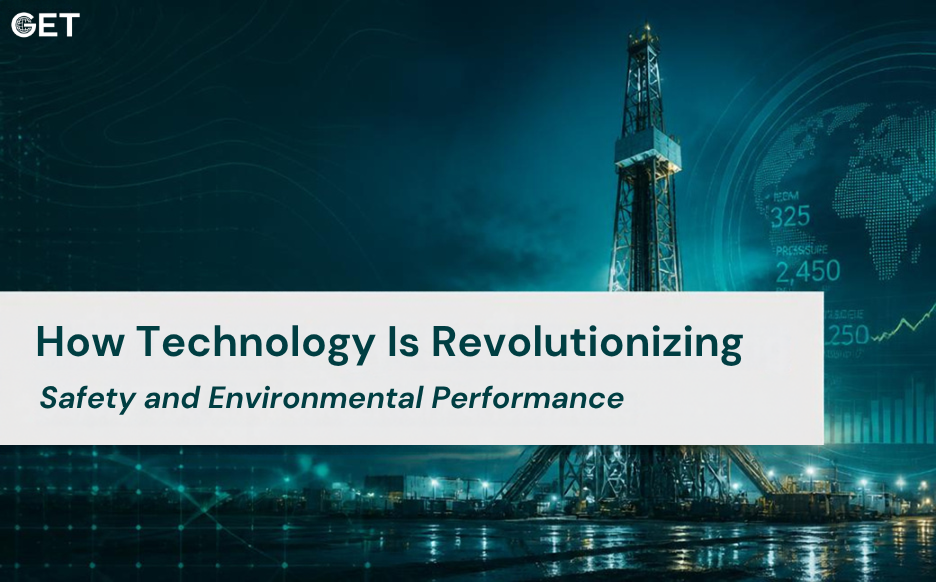
Technology has touched every corner of modern oil and gas operations—from upstream exploration and drilling to midstream pipelines, downstream facilities, maintenance, and performance monitoring. One area where digital transformation delivers exceptional value is HSE (Health, Safety and Environment), a core priority for GET Global Group and the wider energy industry. […]
By Get global | September 22, 2026
By Get global | September 21, 2026
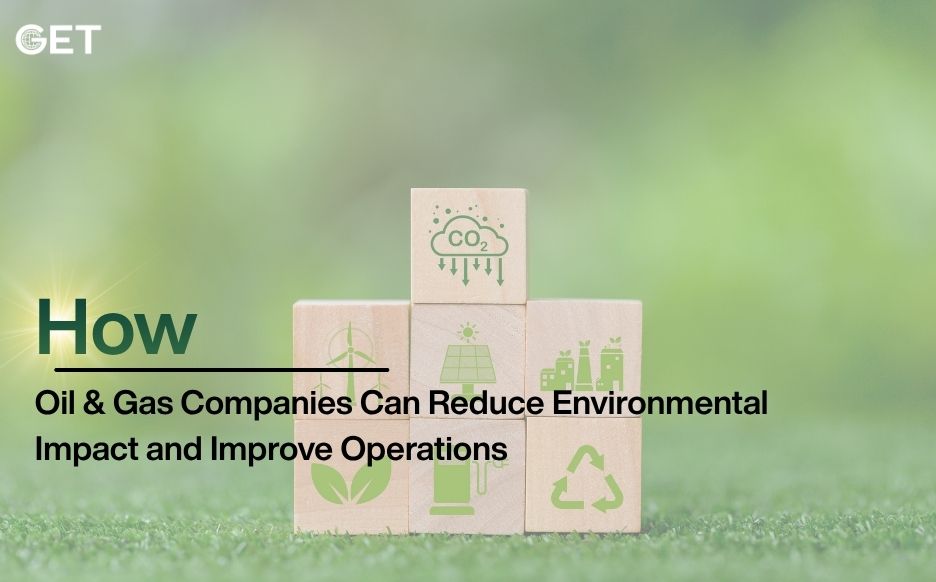
Regulators are tightening the screws on emissions. Investors are asking harder questions about ESG performance. And communities near production sites have gotten a lot less patient with flaring, leaks, and spills that used to get a shrug. For upstream operators, environmental performance isn’t a side conversation anymore. It’s sitting right […]