Choosing an oilfield service provider rarely feels like a risky decision at the start. On paper, most providers look capable. Certifications are in place. Equipment lists are impressive. Commercial terms appear competitive.
The problems usually show up later. A few weeks into operations. After the first unplanned shutdown. When coordination breaks down between crews. Or when a safety incident forces everyone to ask questions that should have been asked earlier.
In oil and gas, service providers do not just support operations. They shape outcomes on safety, cost, timelines, and asset performance. The mistakes companies make during selection often stay hidden until they become expensive.
Below are the most common missteps, explained the way they tend to unfold in real projects, and how operators can avoid repeating them.
Cost pressure is real in this industry. Budgets tighten quickly when prices soften, and procurement teams are expected to deliver savings fast.
The mistake happens when the lowest bid becomes the deciding factor.
A lower rate often comes with trade-offs that are not visible upfront. Less experienced crews. Equipment that is technically functional but not well-maintained. Slower response times when something goes wrong. Each of these adds friction on-site.
What usually follows is lost time. Extra supervision. Workarounds. Sometimes a full replacement of the provider mid-project.
A better approach is to look at cost in context. How often does this provider cause delays? How stable are their crews? How much downtime have similar operators faced using their services? In most fields, one avoided shutdown covers the difference between the cheapest option and the right one.
Service providers often present long lists of completed projects. The mistake is assuming that experience in one field translates cleanly to another.
Oilfields behave differently. Pressure regimes change. Temperatures vary. Logistics in a remote onshore basin have little in common with offshore operations. Even regulatory expectations can shift dramatically from one region to the next.
Problems start when a provider knows the service, but not the environment.
Operators should ask very specific questions. Have they worked with this formation before. Have they handled similar depths and pressures. Do their supervisors understand local operating constraints. Generic experience is not enough when conditions are unforgiving.
Most service providers can present a safety deck. Most can show policies and certifications. That is not where the real insight sits.
The real signal is in how safety shows up day to day. How incidents are reported. How close calls are handled. Whether crews feel pressure to keep working when conditions are not right.
Companies make mistakes when they stop at surface-level checks.
Looking at multi-year safety trends, crew training depth, and how corrective actions are enforced tells a very different story. Providers that take safety seriously tend to be more disciplined in every other part of operations as well.
On paper, two service providers can look identical. Same service line. Similar crew size. Comparable pricing. The difference shows up only once the job starts.
The state of equipment in the field is more important than many teams anticipate. A few years-old tools can still be used, yet most of them lead to little problems that accumulate. Sensors drift. Calibration slips. The breakdowns are more difficult to diagnose. When a problem occurs, the crews waste more time deciding on how something has occurred than repairing it. Information is received after the fact, or is incomplete, and decisions are, in turn, delayed.
This is one of the areas where such companies such as Schlumberger and Halliburton have traditionally excelled in. This is not due to the flashiness of the tools, but because maintenance discipline, monitoring, and field readiness are not seen as optional upgrades to operations, but as basics.
Smaller providers can absolutely compete on performance. Many do. But only when equipment upkeep is taken seriously and systems are ready before crews arrive on site. When maintenance exists mainly in presentations, the gap shows up fast once operations begin.
Read Also- Guide to Choose an Upstream Oilfield Services Company in 2026
A well-known name feels safe. That sense of safety can be misleading.
Small providers tend to be less scaled and structured but are also known to handle a large number of clients simultaneously. The smaller operators can at times not find attention, flexibility or senior oversight.
At the same time, dismissing regional specialists because they lack a global brand can be a missed opportunity. These providers often know the field better, respond faster, and adapt more easily when conditions change.
The mistake is assuming that size equals suitability. The better question is whether the provider is aligned with the project’s complexity, scale, and expectations.
Oilfield services are deeply cyclical. When markets tighten, financially weak providers feel it first.
Companies often overlook balance sheets during selection, especially when schedules are tight. The risk shows up later as delayed payments to subcontractors, loss of key personnel, or sudden reductions in service quality.
A financially stable provider is not just safer from a risk standpoint. It is more likely to retain experienced crews, invest in maintenance, and support long term commitments.
Many operational disputes start with the same phrase. That was not included in the scope.
Vague scopes create room for disagreement. Responsibilities blur. Costs creep. Delays turn into arguments.
Clear scopes do more than protect budgets. They set expectations on performance, reporting, escalation, and accountability. When both sides know exactly what success looks like, operations run smoother and problems get resolved faster.
Oilfield services are not often reliant on one service provider. The realms of drilling, completions, logging, stimulation and production support each other at all times.
One of the most frequent errors is the evaluation of providers individually.
There are teams that perform well internally and fail to coordinate outside. Others communicate effectively, they share information and they are fast adapters to changes in plans. Such disparity is manifest only after operations commence.
Those providers that are aware of multi-vendor environments are less frictional throughout the whole operation.
Contracts often get finalized after technical decisions are made, when timelines are already tight.
This is where risks slip through. Liability clauses that do not reflect operational realities. Unclear downtime responsibilities. Incentives that reward activity instead of outcomes.
In high-risk operations, contracts are operational tools, not legal formalities. Clear risk allocation protects both sides when conditions change or failures occur.
The most expensive mistake is viewing oilfield service providers as interchangeable.
When relationships are purely transactional, providers deliver exactly what is asked for and nothing more. Knowledge stays siloed. Improvement stops at the contract boundary.
Longer-term partnerships change behavior. Crews understand the asset. Providers invest in learning the field. Problems get solved faster because trust exists before pressure hits.
Over time, these relationships tend to deliver better safety records, fewer surprises, and more predictable costs.
Most failures in service provider selection do not come from bad intentions. They come from incomplete evaluation and short-term thinking.
In oil and gas, where margins are thin and downtime is unforgiving, choosing the right oilfield service provider is a strategic decision with long-term consequences. Companies that slow down, ask harder questions, and look beyond surface-level indicators usually avoid the mistakes others repeat.
Read Also- The Key Factors to Evaluate an Upstream Oilfield Services Provider
By Get global | April 7, 2026
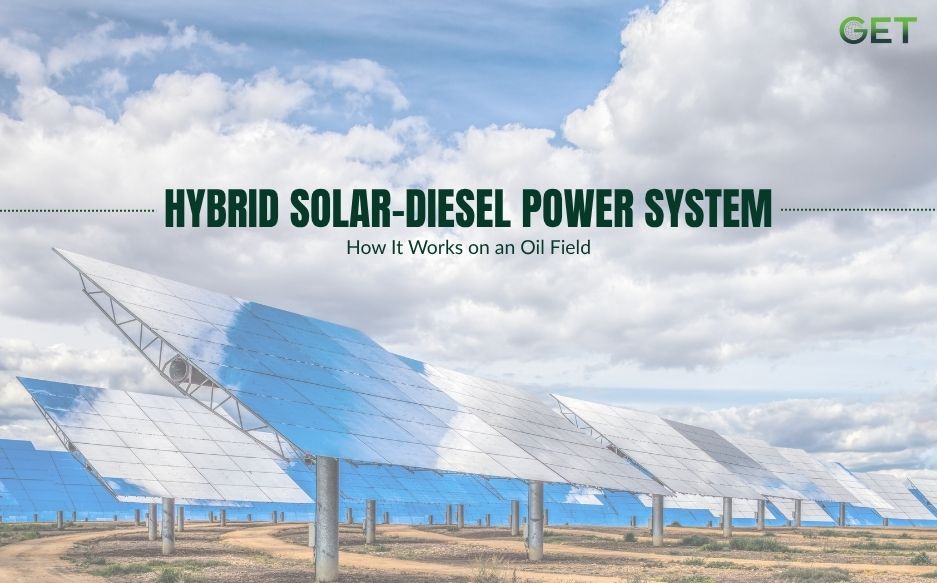
One of the most important operational dependencies in oil fields is power generation. Starting drilling rigs and artificial lift systems to control rooms and worker accommodation, continuous power is needed in terms of safety, output, and the reliability of the assets. Conventionally, the upstream and midstream oil activities have relied […]
By Get global | April 3, 2026
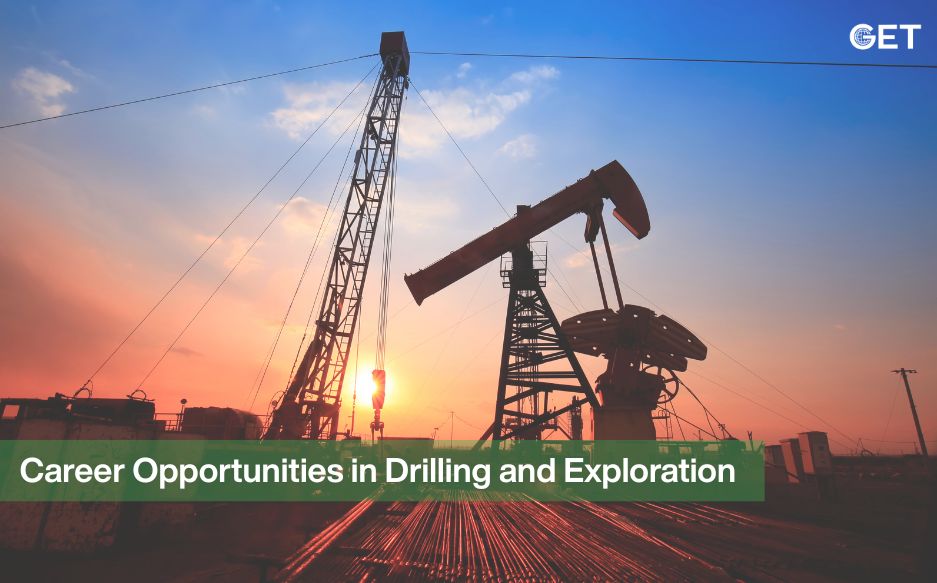
Introduction The energy sector has never been short of ambition and neither are the people who power it. Career opportunities in drilling and exploration remain some of the most dynamic, well-compensated, and technically rewarding paths available in the global workforce today. Whether you are a recent graduate or a mid-career […]

By Get global | April 2, 2026
Introduction There is no question that AI is revolutionizing the upstream oil and gas industry. From exploration and drilling to production monitoring, artificial intelligence is changing how energy companies operate at every level. The results are faster decisions, lower costs, and safer work environments. For any business still relying on […]
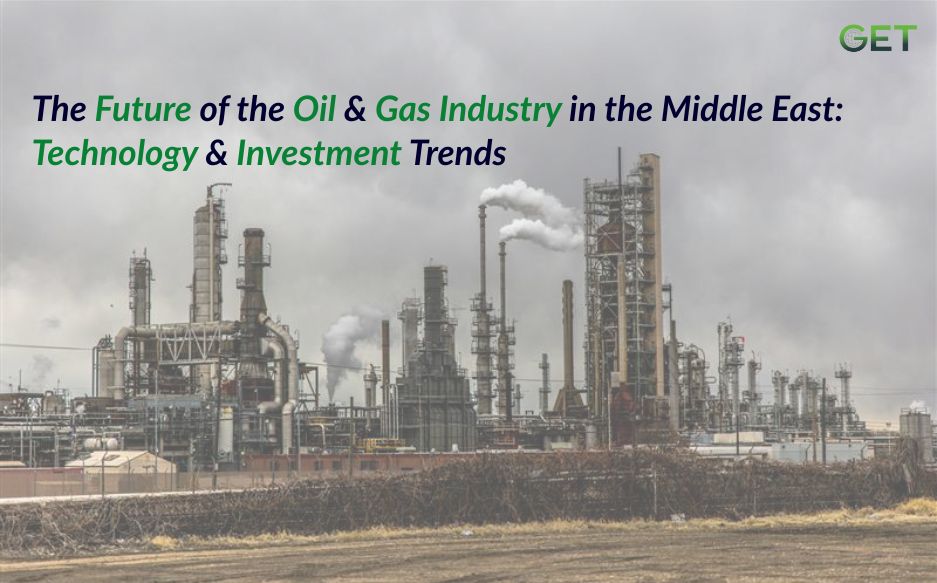
By Get global | March 25, 2026
The Middle East has forever been the heart and soul of the oil and gas industry. In this day and age, the technology is advanced and ever-changing; the Middle East is also evolving. Not just by production but also innovation, diversification and investment in the workforce. As the global landscape […]

By Get global | March 25, 2026
Upstream oil and gas has never been casual work. You deal with formation pressure that does not forgive miscalculations. You operate equipment that weighs hundreds of tons. You manage projects where a few hours of downtime can cost more than a year of someone’s salary. In 2026, what’s changing is […]