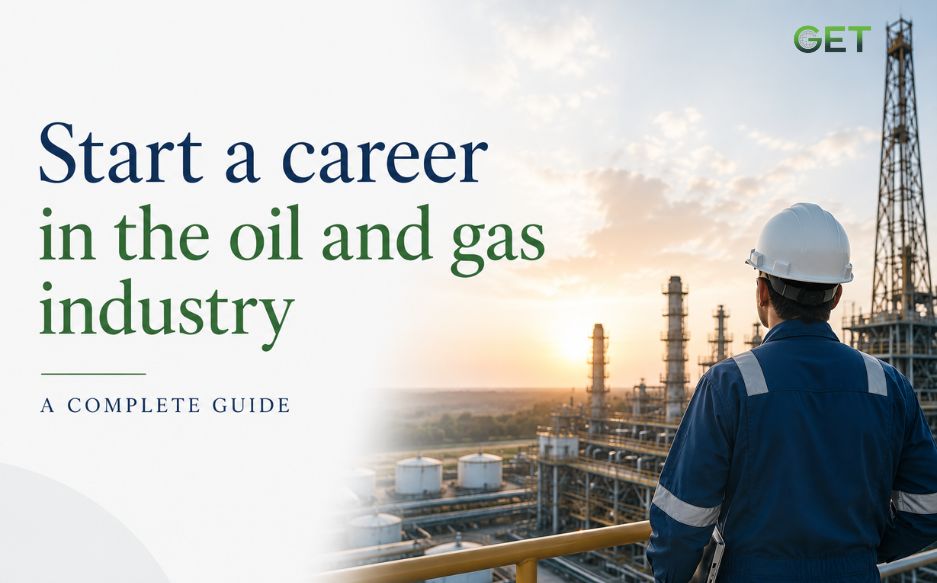
When people think about what they want to do for a career the oil and gas industry is not usually the thing that comes to mind. It is worth considering. Not many jobs pay well when you are just starting out, and they do not offer the same kind of opportunities to work with people from all around the world. The oil and gas industry also needs people who’re good at solving problems and have strong technical skills. If you are really thinking about working in the oil and gas industry here is some information to get you started.
What is the oil and gas industry. Is it still a good idea to join?
The oil and gas industry is divided into three parts: upstream, midstream and downstream. Upstream is about finding oil and gas and getting it out of the ground. Midstream is about transporting and storing oil and gas. Downstream is about refining oil and gas and selling it to people. Each part is unique. Has its own set of jobs. For people who’re new to the industry upstream is usually the most interesting part. This is where you will find jobs that require technical skills.
Upstream oil and gas is about finding oil and gas deep underground and then getting it out. This includes doing surveys to find the oil and gas drilling wells and managing the oil and gas fields. It is work that requires a lot of skill and knowledge. You will always be learning something. The oil and gas industry is the foundation of the energy system.
Is it still an idea to join the oil and gas industry? Yes, it is. There are a lot of changes happening in the industry now, but it is not going away anytime soon. People are still going to need oil and gas for a time. In fact, experts think that oil and gas will still be a part of the energy mix until at least the 2040s. The oil and gas industry is also. Adapting to new technologies and ideas such, as carbon capture and digital transformation. This is a time to join the industry and there are a lot of opportunities available. The oil and gas industry is changing fast. That is what makes it so interesting to be a part of the oil and gas industry.
What qualifications do you need to get a job in the oil and gas industry?
A lot of people worry much about this. The thing is, what you need to get a job in oil and gas depends on the kind of job you want.
The oil and gas industry hires two types of people: technical people and non-technical people. And both types have good career options.
If you want a job like a reservoir engineer or a drilling engineer or a geoscientist or a process engineer, you usually need a degree in a related field.
The common degrees for these jobs are:
If you want a non-technical job like in procurement or finance or human resources or law or communications, you can get in with a degree in business or economics or law.
What is more important than your degree in these cases is that you are really interested in the energy sector and that you can learn about its business and rules quickly.
If you want to work in the part of the oil and gas industry that finds and gets oil and gas out of the ground having some special certificates can be very helpful.
These certificates are IWCF for control BOSIET for offshore safety and knowing how to use special software like Petrel, PIPESIM or Eclipse.
You do not always need these certificates after university. But having them shows that you are serious, about your job and the people who hire will notice that oil and gas jobs require these certifications.
How Do Oil and Gas Companies Actually Hire… Where Should You Look?
This is probably the practical question so lets get into it. Oil and gas companies, from ones like Shell, BP, ExxonMobil and TotalEnergies to national companies like Saudi Aramco, ONGC and ADNOC hire through four main ways:
Something most people miss: Oil and gas companies, like candidates who have done their research. They want to know that you know which areas they operate in what projects they are working on and what challenges they face. Generic applications get rejected quickly. If you show you have done your research, you get remembered.
What Skills Are Really Important When You’re Trying to Get Started?
Beyond a degree there’s a set of skills that makes candidates stand out in the oil and gas industry. Some of these skills might surprise you.
Here are the technical skills that matter:
You don’t have to be an expert in all of them when you’re just starting out. Being good at a few and showing interest in the rest is enough to get going. Soft skills are also important in this field.
The oil and gas industry often involves working in pressure remote environments with teams from different countries and backgrounds. Skills like communication staying calm under pressure and being adaptable really matter.
If you have any experience that shows you have these qualities, such as fieldwork, leadership roles, project management or endurance sports be sure to include it on your CV. The demand for skills is growing fast right now. The oil and gas industry is changing with the help of technology. Things like AI-assisted reservoir modelling, drone-based asset inspection and IoT monitoring. Candidates who know both petroleum engineering and data science are hard to find and, in demand. If that’s your skill set, highlight it.
Read Also- How to Succeed in the Oil and Gas Industry as a Beginner
Does Networking Really Matter in the Oil and Gas Industry?
Yes it matters more than in other industries. Many oil and gas jobs are filled before they are even listed. This is because referrals and recommendations from people who already work in the industry play a role in hiring.
Start by joining groups like the Society of Petroleum Engineers and the American Association of Petroleum Geologists. These groups have chapters at universities, and they hold conferences that are worth going to. You can meet people who work in the oil and gas industry and learn from them. It is an idea to show up to these conferences ask questions and then connect with people on LinkedIn. This might seem obvious. Many people do not do it.
If you are not in university, anymore use LinkedIn in a focused way. Comment on posts from people who work in the oil and gas industry. Share your thoughts on what’s happening in the industry. Connect with recruiters who specialize in energy jobs and engage with what they post. If you do this consistently for a month you will get noticed by people who are hiring.
Which Roles in Upstream Oil and Gas Are Most In Demand Right Now?
The oil and gas industry needs people with skills. Some jobs are always in demand like engineers. Now there are more jobs available in areas like
What is interesting is that the oil and gas industry is looking for people who have skills. For example, someone who knows about reservoir engineering and data analysis.. Someone who knows about safety and sustainability. The oil and gas industry wants to make sure it has the right people to succeed in the future. So, people who have skills tend to do better when looking for a job, than those who only have one area of expertise.
Is Working in Oil and Gas a Good Long-Term Career Choice. Or Are You Making a Mistake?
People often ask this question. They want a straightforward answer, not a sugar-coated one. It’s not a sinking ship. The industry is changing. And that’s a big difference. The oil and gas industry is facing a lot of pressure. This pressure comes from the shift to energy changes in what investors want and stricter rules on emissions. As a result companies are restructuring. Some jobs have disappeared, while others have increased significantly. Anyone who says the sector is completely stable now is not well-informed or is trying to sell you something.
However the world still needs energy. Developing countries rely on oil and gas to grow. There are gaps in infrastructure. The skills you learn early in an oil and gas job. Like being good at engineering, managing projects under pressure analysing risks and working with people from cultures. Are very valuable. These skills are transferable. People often move from oil and gas to renewable energy, private equity, policy and consulting because these skills are so strong.
When you join the industry be aware of what’s happening. Learn a range of skills from the start. Keep asking questions, about where the energy sector’s heading. This approach will serve you well in the run.
Read Also- Seismic Survey Techniques: A Complete Guide for Oil & Gas Professionals
By Get global | May 20, 2026
By Get global | May 19, 2026
Starting Out in Oil and Gas — What Nobody Tells You Breaking into the oil and gas industry is not like applying for a desk job. The sector operates on a different rhythm — long rotations, remote locations, technically demanding environments, and a culture that rewards competence above almost everything […]

By Get global | May 15, 2026
Introduction: In the ever-evolving landscape of the energy sector, a revolutionary force is steering the industry toward a more sustainable future — the integration of hybrid solutions. As the world grapples with the imperative of balancing energy demands and environmental preservation, the concept of combining traditional and renewable energy sources […]

By Get global | May 11, 2026
Introduction The energy industry is facing unprecedented challenges in the 21st century, including the need for sustainable and environmentally responsible solutions to meet growing global energy demands. As a result, successful project delivery has become vital for companies in the energy sector. Among the methodologies gaining prominence is Integrated Project […]

By Get global | May 7, 2026