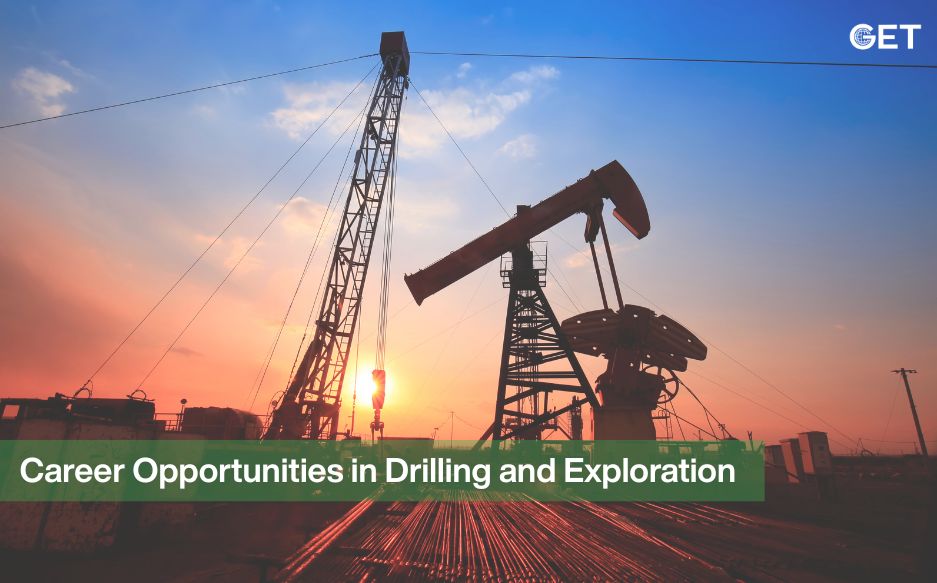
The energy sector has never been short of ambition and neither are the people who power it. Career opportunities in drilling and exploration remain some of the most dynamic, well-compensated, and technically rewarding paths available in the global workforce today. Whether you are a recent graduate or a mid-career professional looking to pivot, this sector offers real depth and long-term stability. Understanding where those opportunities lie is the first step toward making the right move.
Drilling and exploration sit at the very heart of the upstream oil and gas supply chain. These roles involve finding new reserves, managing complex drilling operations, and ensuring that energy resources are extracted safely and efficiently. The work is technically demanding, but the rewards financial and professional are proportionate to that challenge. For businesses and individuals alike, this is a sector worth understanding thoroughly.
This blog explores the landscape of drilling and exploration careers. We cover what these roles involve, the benefits they offer, how the hiring process works, and real examples of the kinds of positions available. If you are exploring your next professional chapter, or if your business is looking to build a stronger team, this guide is for you.
Drilling and exploration is the phase of oil and gas production focused on locating and accessing hydrocarbon reserves beneath the earth’s surface. It begins with geological surveys and seismic studies to identify promising sites. From there, engineers and specialists plan and execute drilling programs to verify and access those reserves. This phase is capital-intensive, high-risk, and absolutely foundational to everything that comes after.
Exploration and drilling professionals work across land-based rigs, offshore platforms, and remote terrain around the world. Their work combines geoscience, mechanical engineering, data analysis, and operational management. It is a field that demands precision and adaptability in equal measure. No two projects are alike, which keeps the work constantly engaging.
Salaries in drilling and exploration are consistently above the average for most other industries. Experienced drilling engineers and geophysicists can earn six-figure incomes, even at mid-career levels. Many roles also include rotational allowances, offshore premiums, and performance bonuses. The financial package often reflects both the technical expertise required and the operational risk involved.
Few careers offer the same level of international exposure as upstream oil and gas. Professionals regularly work across multiple continents throughout their careers — from the North Sea to the Middle East, West Africa to Southeast Asia. This geographic diversity enriches both professional development and personal growth. For those who thrive on new environments, it is a genuinely exciting prospect.
Despite the ongoing energy transition, global demand for hydrocarbons remains robust. Exploration and drilling professionals continue to be in high demand, particularly as older talent cohorts retire. Companies across the upstream oil and gas industry are actively seeking skilled engineers, geoscientists, and operational specialists. The talent gap creates real opportunity for those entering or advancing in the field.
Technology in this sector evolves quickly. AI-driven seismic interpretation, automated drilling systems, and digital twin technology are reshaping how work gets done. Professionals who stay current with these developments remain highly employable. The learning curve is steep but rewarding, and many employers invest heavily in ongoing training and certification.
Drilling and exploration roles typically offer well-defined career ladders. A graduate geologist can progress through specialist, senior, and principal levels before moving into management or consultancy. Career paths are merit-based and achievement-driven. Those who perform consistently tend to advance at a meaningful pace.
Most entry-level roles in this space require a relevant degree in geoscience, petroleum engineering, mechanical engineering, or a related discipline. Graduate programmes at major operators and service companies provide structured training alongside experienced mentors. Many companies also hire technical support roles — such as drilling data analysts or wellsite trainees — that do not require fully specialised degrees. These are excellent stepping stones for those building their expertise.
Professionals from adjacent industries civil engineering, environmental science, data analytics are increasingly finding pathways into drilling and exploration. The sector values transferable skills, particularly in data management, project management, and technical documentation. Upskilling through industry-recognised certifications from bodies like IADC or SPE can accelerate this transition significantly. Connecting with specialist upstream oil and gas services providers can also open doors to contract and project-based roles.
Operators and service companies rely on a mix of permanent staff and contract specialists to manage their workforce needs. During active exploration campaigns, the demand for contract drilling engineers and wellsite supervisors spikes considerably. Understanding the difference between operator-side and service-side roles is important when planning your career path. Each offers a different balance of stability, variety, and financial reward.
Read Also- Logistics and Supply Chain Careers in Upstream Oil and Gas: 3 Proven Success Tips
A petroleum engineering graduate joins a major offshore operator as a junior drilling engineer. Within three years, they are managing well design for a deepwater development project in West Africa. By year six, they hold a senior position overseeing multiple simultaneous drilling campaigns. The role demands technical rigour, but delivers exceptional exposure and accelerated advancement.
An independent exploration and production company hires a geoscientist to evaluate prospective acreage in a frontier basin. The role combines seismic interpretation, basin modelling, and prospect generation. Strong performance leads to a principal geoscientist role within four years, with responsibility for a regional exploration portfolio. The work is intellectually demanding and operationally significant.
An experienced toolpusher moves into a wellsite supervisor role with a global drilling contractor. Working on a rotational schedule 28 days on, 28 days off they oversee day-to-day rig operations across multiple projects. The role pays a premium offshore rate and includes comprehensive medical coverage. Over time, the supervisor progresses into a rig superintendent position with broader managerial scope.
A health, safety, and environment professional with a background in process industries transitions into upstream oil and gas. They join an operator as an HSE advisor embedded within the exploration drilling team. Their responsibility covers risk assessments, permit-to-work systems, and emergency response planning. The role is critical to operational integrity and offers a clear pathway to HSE management.
Companies entering new exploration phases, expanding into new geographies, or launching offshore campaigns often face immediate talent shortfalls. A reactive hiring approach waiting until a project is underway creates delays and cost overruns. Building a proactive talent pipeline, including relationships with specialist recruiters and training partnerships, ensures you have the right people ready when you need them. Early planning is always more cost-effective than emergency hiring.
Businesses should also consider workforce succession planning. As experienced professionals retire, institutional knowledge can walk out the door with them. Structured mentoring programmes, knowledge capture initiatives, and graduate recruitment pipelines protect against this risk. Companies that invest in talent development today are better positioned to lead tomorrow.
Career opportunities in drilling and exploration are as broad and compelling as the industry itself. From geoscience and reservoir engineering to wellsite supervision and HSE management, the roles available span a wide range of disciplines and experience levels. The sector rewards technical excellence, adaptability, and ambition — and it pays well for all three. For professionals seeking a career with global scope and genuine impact, this is a field worth serious consideration.
For businesses, the message is equally clear. Talent in this space is competitive, and the companies that build strong, proactive workforce strategies will outperform those that do not. Investing in your people — through recruitment, development, and retention — is not a cost centre. It is a strategic advantage.
Whether you are mapping your next career move or building out your upstream team, understanding the full landscape of career opportunities in drilling and exploration is where the process starts. The opportunities are real, the demand is sustained, and the time to act is now.
By Get global | May 20, 2026
By Get global | May 19, 2026
Starting Out in Oil and Gas — What Nobody Tells You Breaking into the oil and gas industry is not like applying for a desk job. The sector operates on a different rhythm — long rotations, remote locations, technically demanding environments, and a culture that rewards competence above almost everything […]
By Get global | May 15, 2026
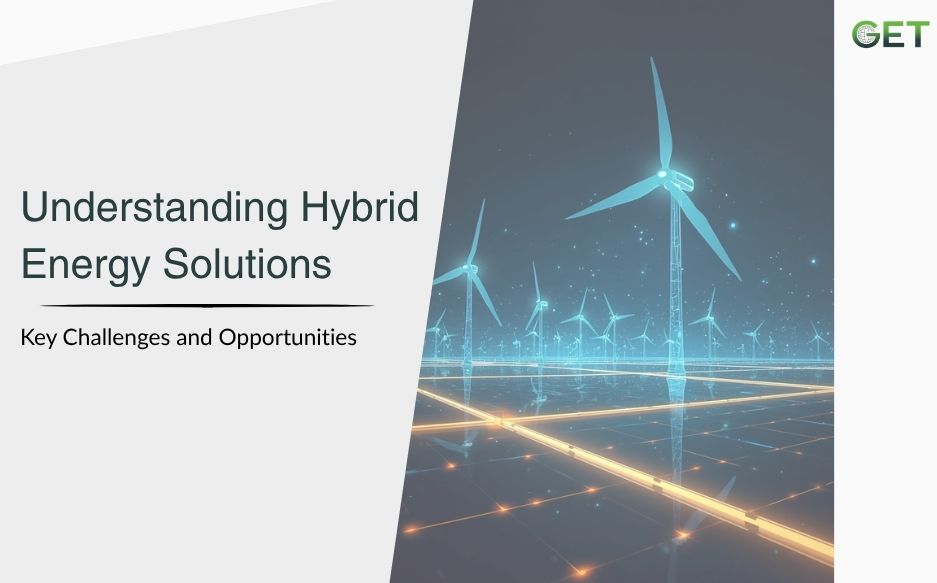
Introduction: In the ever-evolving landscape of the energy sector, a revolutionary force is steering the industry toward a more sustainable future — the integration of hybrid solutions. As the world grapples with the imperative of balancing energy demands and environmental preservation, the concept of combining traditional and renewable energy sources […]
By Get global | May 11, 2026
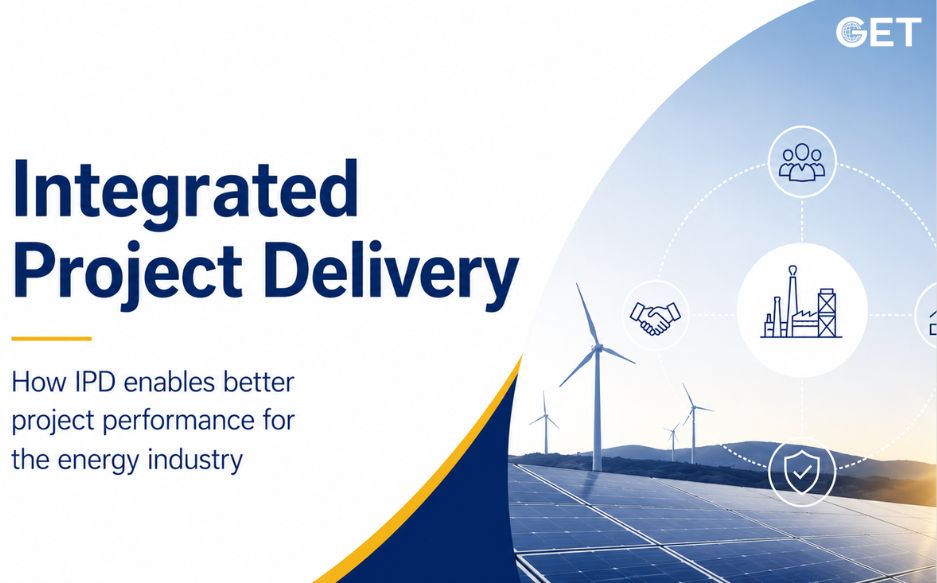
Introduction The energy industry is facing unprecedented challenges in the 21st century, including the need for sustainable and environmentally responsible solutions to meet growing global energy demands. As a result, successful project delivery has become vital for companies in the energy sector. Among the methodologies gaining prominence is Integrated Project […]
By Get global | May 7, 2026