The oil and gas industry operates under unpredictable conditions which make it difficult for projects to succeed.
When something goes wrong, it goes wrong fast. The situation develops into dangerous conditions which result in multiple fires, injuries, shutdowns and environmental damage that lasts for many years.
The oil and gas industry treats Health Safety and Environment HSE procedures as critical because they protect workers and create a secure environment for their upstream operations. The document serves as proof of existence because it contains essential information which functions as a vital element for their existence.
HSE functions as a practical system which protects people while maintaining operational stability and safeguarding environmental resources.
HSE presents itself at the worksite through its practical applications which show its existence in real life.
Companies like ADNOC, Aramco, Shell, and TotalEnergies don’t treat HSE as optional. It’s built into contracts, audits, and daily work plans.
Because oil and gas sites are high-risk by nature.
You’re dealing with:
One missed step can shut down an entire facility. Or worse.
That’s why operators across the UAE, Saudi Arabia, Qatar, and offshore Europe enforce strict HSE compliance—not just for employees, but for every contractor on site.
By forcing teams to slow down and think before acting.
In real projects, HSE protection looks like:
These steps may seem repetitive. But repetition is what prevents accidents.
Usually, problems don’t appear immediately. Then suddenly, they do.
Small shortcuts lead to:
The oil and gas industry has seen enough incidents to know this pattern well. That’s why regulators today are far stricter than they were 10 or 15 years ago.
In the Middle East especially, a poor HSE record can cost companies future contracts.
No. Poor safety slows things down.
Projects with strong HSE systems actually run smoother. Why?
At GET Global Group, HSE alignment is part of how manpower and vendors are selected for upstream oil and gas projects. When safety expectations are clear, teams work with fewer interruptions.
Because environmental damage doesn’t stay local anymore.
Oil and gas companies are now closely monitored for:
National oil companies like ADNOC and QatarEnergy expect contractors to meet environmental standards before work even begins. Non-compliance affects approvals, not just penalties.
They decide who is allowed to operate—and who isn’t.
Regulators require:
In countries such as UAE, Saudi Arabia, and India, authorities can stop work immediately if HSE requirements are not met.
HSE professionals are the ones who notice problems before they become incidents.
Their daily work includes:
This is why skilled HSE professionals are always in demand—on offshore rigs, EPC sites, and upstream facilities.
A project is only as safe as its weakest contractor.
Major operators now assess vendors based on:
That’s why structured vendor and manpower management is critical in oil and gas operations—especially for large, multi-contractor projects.
Because rules don’t stop accidents. People do.
A strong HSE culture means:
Companies with this mindset don’t just meet HSE standards—they exceed them.
HSE isn’t about avoiding fines or ticking boxes for audits. It’s about making sure people go home safely at the end of every shift. Every single day.
In oil and gas, conditions change fast. Equipment ages. Projects get tighter. Pressure builds. When that happens, HSE is what keeps operations from crossing dangerous lines. It helps teams slow down, think clearly, and make the right call—even when schedules are tight.
Health, Safety, and Environment will always be the foundation of responsible oil and gas operations because the risks will never disappear. Companies that treat HSE as a core value, not a rulebook, protect their people, their assets, and their future. And in this industry, that matters more than anything else.
Read Also- The Role of HSE Practices in the Upstream Oil and Gas Industry
By Get global | May 11, 2026
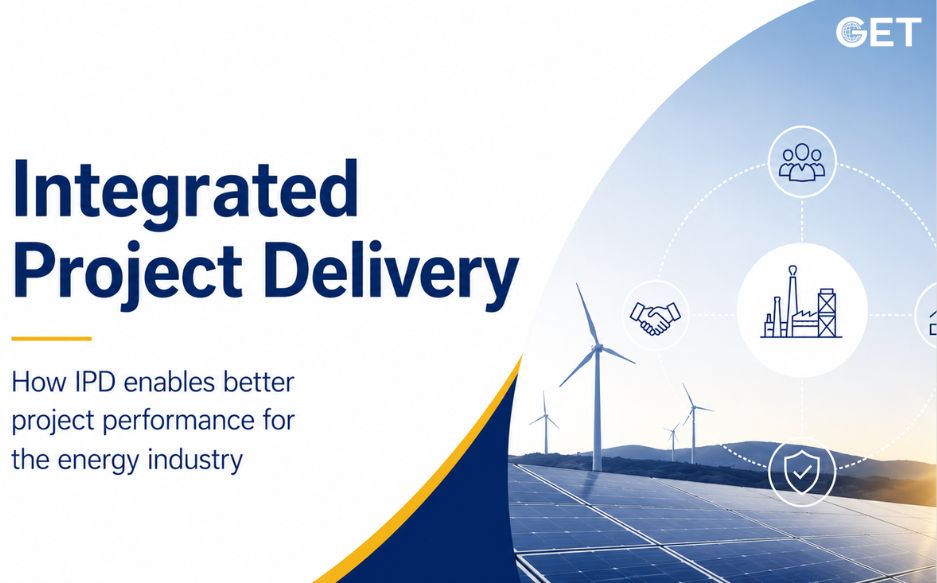
Introduction The energy industry is facing unprecedented challenges in the 21st century, including the need for sustainable and environmentally responsible solutions to meet growing global energy demands. As a result, successful project delivery has become vital for companies in the energy sector. Among the methodologies gaining prominence is Integrated Project […]
By Get global | May 7, 2026
By Get global | May 6, 2026
Effectively managing risks within the oil and gas industry demands a meticulous blend of foresight, innovation, and resilience. In this complex sector, risk mitigation strategies are crucial for ensuring operational stability, safeguarding financial investments, and upholding stringent health, safety, and environmental standards. Amidst the diverse array of challenges faced by […]
By Get global | May 4, 2026
Introduction In the dynamic and ever-evolving world of the energy industry, crew members in the upstream oil and gas sector find themselves at the forefront of a complex and globalized landscape. The importance of possessing global know-how cannot be overstated, as it plays a pivotal role in ensuring the success, […]
By Get global | April 30, 2026
The oil and gas industry is going through one of its biggest transformations in decades. Between the energy transition, digital disruption, and stricter environmental regulations, the skills that got workers hired five years ago may not be enough to keep them competitive today. Whether you’re a seasoned upstream professional or […]